





For more than a decade, America’s homelessness system has largely measured success by a single metric: whether someone is housed. In the process, what should have been a milestone on the journey to self-sufficiency became the destination itself.
Housing is important, but making it the finish line set the bar devastatingly low for both the system and the people it serves.
We now routinely confuse housing placement with transformation and occupancy with human flourishing. As a result, too many people remain trapped in addiction, untreated mental illness, dependency, and isolation, yet are counted as successes because the system measures where they sleep rather than whether they are healing, rebuilding, and moving toward self-sufficiency.
This was never what most Americans envisioned when they imagined helping those struggling with homelessness.
At its core, homelessness is not simply a housing problem. It is often a human crisis involving addiction, mental illness, trauma, family breakdown, unemployment, lost purpose, and social isolation. Housing can provide stability, but it cannot, by itself, address the underlying conditions that caused many people to lose stability in the first place, nor the conditions that homelessness itself often exacerbates.
Yet over the past decade, our nation’s homelessness response made housing both the starting point and the end goal.
The consequences are impossible to ignore. Federal homelessness data show a 35 percent increase in homelessness since the nation mandated a housing-centered approach (called “Housing First”), while America's streets reveal the human toll of a system that traps rather than transforms.
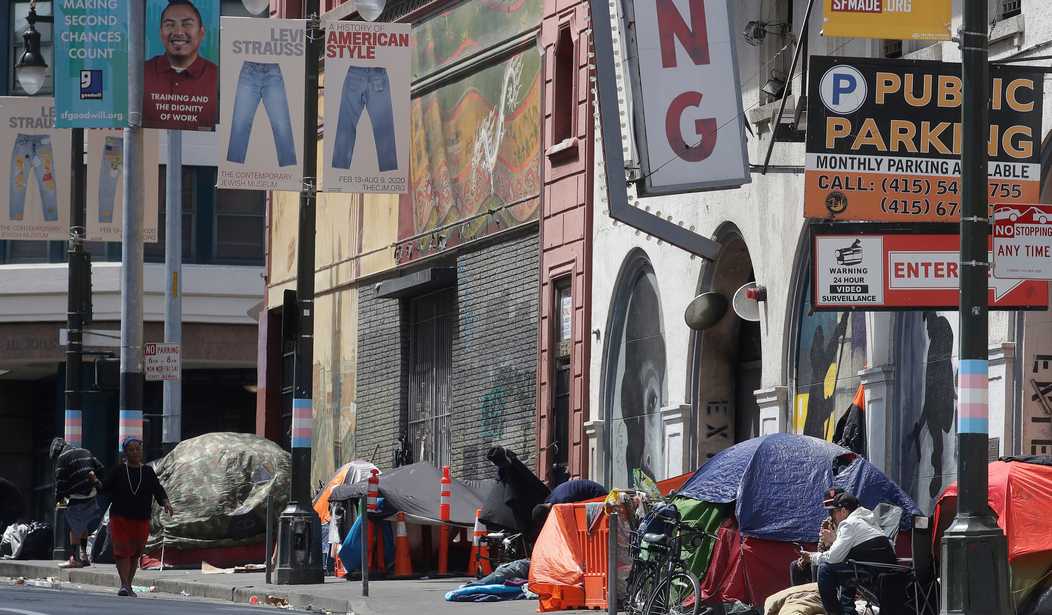
Thousands of people languish in encampments, on sidewalks, and in overcrowded shelters waiting for housing that may never come. Others cycle through low-barrier shelters where addiction, instability, violence, and chaos often mirror the conditions that contributed to their homelessness. The result is a system that manages decline rather than promoting recovery, restoration, and self-sufficiency.
Compassion should never mean accepting decline.
A truly compassionate homelessness response should ask a different question: What would it take to help this individual become as healthy, stable, and self-sufficient as possible?
That shift changes everything.
When self-sufficiency becomes the goal, housing remains important, but it becomes one component of a broader pathway toward restoration. Recovery, treatment, life skills, employment, community, accountability, and personal responsibility become priorities alongside shelter and housing.
Most importantly, people experiencing homelessness are no longer viewed as permanent clients to be managed. They are viewed as individuals capable of growth, recovery, and transformation.
Critics will correctly point out that not everyone will achieve complete independence. Some individuals face profound disabilities, severe mental illness, chronic health conditions, or other challenges that will require long-term support.
But acknowledging that reality should not cause us to lower expectations for everyone.
In virtually every area of life, we celebrate progress—even when perfection is unattainable. We encourage recovery even when setbacks occur. We support education even though only one student graduates at the top of their class. We applaud workforce participation even when someone never reaches the corner office.
The same principle should apply to homelessness.
A person who enters treatment, reduces substance use, reconnects with family, develops life skills, secures employment, improves mental health, or transitions from an encampment into a structured environment has made meaningful progress. Those gains matter, even if complete self-sufficiency remains a work in progress.
In fact, the pursuit of self-sufficiency itself often produces benefits long before the finish line is reached.
Individuals become healthier. Families begin to heal. Public spaces become more welcoming. Emergency rooms, jails, and crisis systems experience less strain. Taxpayer resources can be redirected from managing emergencies to building pathways to long-term success.
Most importantly, people regain their dignity—the dignity that comes from living with purpose, accepting responsibility, building healthy relationships, and contributing to something greater than themselves. They rediscover the confidence, self-respect, and hope that emerge by overcoming hardship.
That is why the emerging shift in homelessness policy is both necessary and encouraging.
The Trump administration has begun reorienting the national conversation toward recovery, treatment, accountability, measurable outcomes, and pathways to self-sufficiency, acknowledging that housing alone is not enough. It is a long-overdue course correction that Congress, state leaders, local governments, service providers, and communities should embrace.
The objective is not punishment. It is restoring hope by restoring expectations. It’s a third path beyond the false choice of homelessness or handcuffs: recovery, restoration, and self-sufficiency.
Human beings are remarkably resilient when given the support, structure, and opportunity necessary to succeed. I witnessed this daily during my 13 years as CEO of Northern California’s most comprehensive program for homeless women and children.
Every day, I watched people overcome addiction, learn to manage their mental illness, rebuild fractured relationships, secure employment, and reclaim lives that once appeared beyond repair.
Our homelessness system is finally being reoriented toward recovery, restoration, and self-sufficiency.
That is the highest form of compassion—not simply helping someone survive, but helping them reclaim the dignity, purpose, and independence that make a flourishing life possible.
It is time to raise the bar.
Michele Steeb is the founder of Free Up Foundation and author of “Answers Behind the RED DOOR: Battling the Homeless Epidemic,” based on her 13 years as CEO of Northern California’s largest program for homeless women and children. She is a Visiting Fellow with the Discovery Institute’s Fix Homelessness Initiative. Follow them on X: @SteebMichele and @ DiscoveryCWP.
Editor's Note: It’s America’s 250th birthday! Help Townhall celebrate the greatest nation in history by honoring its past, defending its present, and preserving its future with reporting you can trust.
Join Townhall VIP and use promo code AMERICA250 to receive 74% off your membership.



Join the Conversation
VIP members get the ability to comment on articles.