





If you look at old-timey photos of FDR giving press conferences, you’ll see him behind a forest of microphones. That’s because in the early days of radio, there were lots of entrepreneurs trying to put their feet in the wet cement of that particular new medium. Over time, the winners win, the losers get gobbled up, and the system achieves some equilibrium.
The same thing happened in the 19th century when newspapers were new, and in the 21st century, it’s happening with streaming services. The only time this didn’t really happen was with network television stations, where the barrier to entry was so high that the country could only really accommodate three.
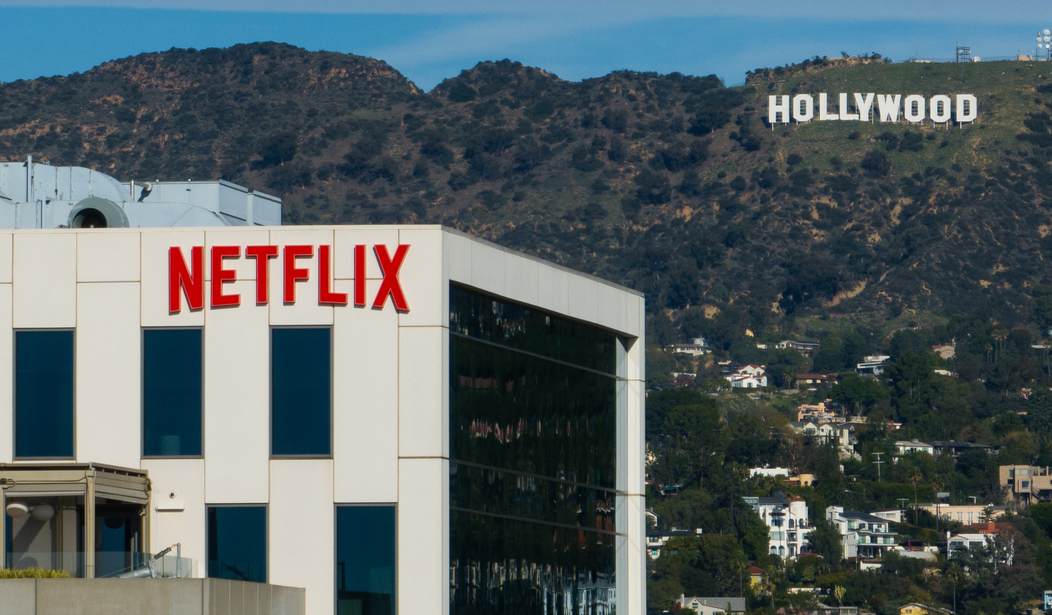
This is why I didn’t panic at the news that Netflix wants to merge with Warner Bros. The $83 billion deal was announced at the beginning of December, with some people wringing their hands that this is one of the signs of the apocalypse. This puts too many intellectual property eggs in one basket, this will kill the theater industry, etc., etc.
Spoiler alert: the Internet has happened, and it’s OK that society adapts to this. The fact that you’re reading our wonderful reporting on your magic, digital rectangle rather than a piece of paper isn’t a big deal, either.
Netflix is a free-market success story. With no government help and initially being looked down upon by Hollywood elites, the company is the David who slew Goliath. The big worry is that a current Netflix deal to help a Hollywood giant adapt to a changed market will draw the ire of competitors who will rush to political friends in the Washington Swamp to tank the deal under the pretext that a deal could create a monopoly.
This deal is a great one for the economy and something that President Donald J. Trump should embrace, or at least leave alone. The members of the free market have voted with their wallets, and they picked Netflix – the company that Blockbuster Video could have purchased 20 years ago for a mere $50 million. This deal is consumer-friendly because more content will be available to consumers at a reasonable cost. Federal bureaucrats should let this deal conclude without cronyism or undue interference.
The government will study the deal’s impact on competition, but any antitrust review should result in a clean bill of health for this merging of two entertainment companies. This deal will establish a pipeline for more creative development and production. Netflix and Warner Bros. truly complement each other in that Warner Bros. has three core businesses that Netflix doesn’t: a successful theatrical film division, a world-class television studio that is a leading supplier to the industry, and HBO. Given that Warner Bros. hasn’t been able to make a truly great Batman movie in 17 years, maybe it’s OK to let someone else have a shot with the brand.
There may be those who worry about this from an antitrust standpoint, that this constitutes too much consolidation. But if Netflix doesn’t buy Warner Bros., then Paramount will – so that consolidation looks like it’s going to happen either way. In addition, Netflix has a totally unique business model as compared to Warner Bros, whereas Paramount looks like a head-to-head competitor to Warner Bros.
The evolution from Netflix being a small DVD-by-mail startup company to a global streaming success story would have Ayn Rand cheering. Netflix charges as much for a month’s worth of entertainment for the whole family as Hollywood does for one movie ticket. All over the course of that month, Netflix will show you less advertising than you have to sit through for that one outrageously overpriced movie.
The idea that this deal will kill the theater industry is laughable. Let’s remember that woke Hollywood was all too eager to join the chorus of propaganda in 2020, telling everyone to obediently follow the government’s draconian orders. Most famously, “Republican” Arnold Schwarzenegger took to Instagram to tell us to “Screw your freedom” and avoid theaters. If anything hurt the theater industry, it was government, not competition.
Several years ago, Paramount, NBC, and everyone else all imagined that they could have their own streaming service. No executive in Hollywood wanted to be the one to say, “Hey, the market isn’t going to bear this,” but now every exec is scrambling to pretend they did. There is only enough space for three streaming giants – Netflix, YouTube, and Amazon Prime – which brings us basically back to where we were 50 years ago with network television.


Join the Conversation
VIP members get the ability to comment on articles.