







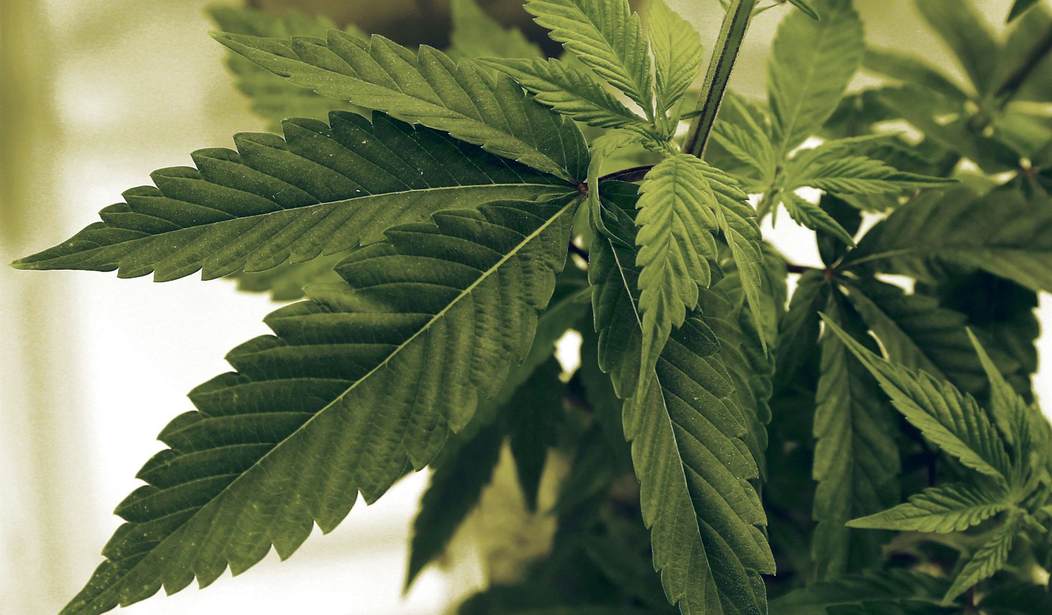
The days of marijuana prohibition may soon be over as the House of Representatives is prepared to vote on the Marijuana Opportunity, Reinvestment, and Expungement (MORE) Act this Monday. If passed, the MORE Act will federally legalize marijuana throughout the country. Despite failed efforts to advance this bill in the past, a Democratic majority in Congress and control of the Presidency now portend a high likelihood that this Act could pass. While marijuana advocates, lobbyists, and legislators push this bill, the MORE Act’s statutory shortcomings pose an immediate and dangerous threat to the regulatory power of states and localities. If passed, the MORE Act could wipe out state and local laws prohibiting and criminalizing marijuana, leaving states and localities unable to address local concerns about marijuana issues.
Due to Congress’s inartful drafting, the MORE Act threatens to entirely remove marijuana policy from public debate at the state and local level. In a recent legal publication “The New Federalism Frontier in Marijuana Legalization and Decriminalization,” New York City attorney Oliver Roberts outlines how the MORE Act could strip states, counties, and towns of the power to criminalize and penalize marijuana possession and offenses. At the center of this controversy are the constitutional doctrine of federal preemption—whereby federal laws preempt and invalidate inconsistent state laws— and the MORE Act’s omission of provisions reserving regulatory power to the states.
As duly enacted federal legislation, the MORE Act could preempt and invalidate any state and local law that conflicts with the MORE Act’s statutory objectives and purposes. In other words, the MORE Act’s legalization of marijuana at the federal level could invalidate a state law that prohibits or criminalize marijuana possession at the state level.
In 2020, the MORE Act was first introduced and passed in the House of Representatives before it failed to pass the Senate. During congressional hearings on the Act, both Congresspersons and reporters stated that the MORE Act would not preempt state marijuana laws because states would retain their power to regulate and criminalize marijuana. But despite these claims, the MORE Act then—and now—contains no statutory provisions providing protections for state and local regulatory power. This omission could prove fatal to state and local marijuana laws.
Congress’s failure to explicitly address whether the MORE Act will preempt state and local laws will force the courts to take up and decide this issue. And in the courts, according to Roberts, the outcome will be very uncertain. In a recent case Virginia Uranium, Inc. v Warren, the Supreme Court observed that an analysis of federal preemption focuses on the actual text of congressional acts—and not on “abstract and unenacted legislative desires.” Accordingly, the text of the MORE Act—which omits protections for the states—speaks for it, regardless of what Congresspersons and media outlets report otherwise.
As written, the MORE Act poses an immediate threat to state and local marijuana laws because it establishes myriad federal social services programs, taxation systems, expungement programs, commercial licensing systems, and grant and trust fund programs. With all of these wide-ranging federal programs, the MORE Act creates a federal framework and regulatory scheme that could imply congressional intent to preempt state and local marijuana laws. And according to Roberts, Supreme Court precedent provides for preemption of conflicting state and local laws when federal acts create federal regulatory systems of this nature.
In sum, the MORE Act poses a major threat to state and local regulatory power and removes the issue of marijuana policy from democratic debate at the state and local level. Congress must act immediately to expressly address, in the MORE Act itself, whether it intends to reserve to the states the power to regulate marijuana. Without the inclusion of an express statutory provision, the states, localities, and the People will be left powerless to address marijuana policy concerns in their local area.
George Santos is a New York Congressional Candidate.

Join the Conversation
VIP members get the ability to comment on articles.