





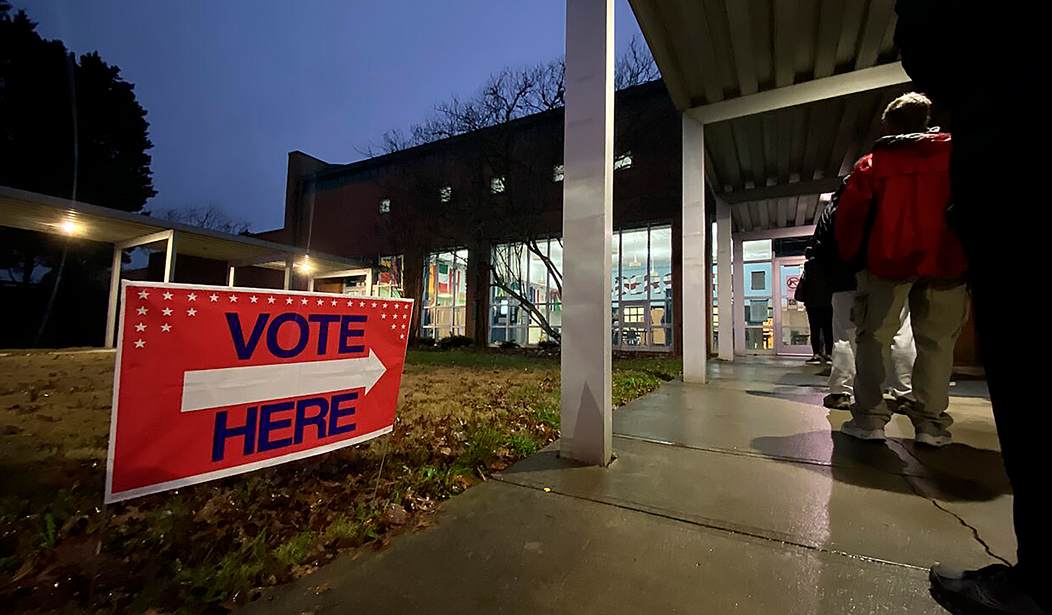
I don’t have a vote on whether Miami’s elections move to even-numbered years. But as mayor, I do have a responsibility to speak up when the data, the law, and public opinion all point in the same direction.
Miami should align its municipal elections with the broader election calendar—because the outcome is simple: more voters, less waste, and a government that better reflects the city.
Right now, we hold elections in odd-numbered years, when most voters aren’t expecting to go to the polls. Turnout drops, and taxpayers spend nearly a million dollars per cycle to run a redundant, low-engagement process that no longer serves the public interest. Voters miss the opportunity to weigh in on local issues that impact them most directly—public safety, infrastructure, housing, and city services.
We have the ability, and frankly, the obligation, to fix that.
A citywide survey of likely general election voters found 63% support moving city elections to even-numbered years. That support cuts across every major demographic, from Republicans and Democrats to independents, young voters, retirees, and every other major group. When voters hear the reasoning—higher turnout, lower costs, and more efficient governance—support climbs to 70%
It’s not hard to see why.
Miami is one of the most vibrant, fast-moving cities in America. Our residents expect government to be accessible, responsive, and modern—just like the startups and tech leaders driving our economy. No serious company would stick with a model that’s inefficient by design. That means making sure elections happen when most people are actually voting, during state and federal cycles, when civic engagement is at its peak.
More voters means stronger mandates. Broader participation strengthens public trust and gives elected officials clearer direction. That’s how a healthy local democracy is supposed to function.
Some will always argue to keep things the way they are. But tradition isn’t a reason to preserve inefficiency. The real question is whether the system reflects the principles we expect from any well-run city: fiscal responsibility, accessibility, and trust.
And here’s the truth: the longer we delay, the more disconnected the process becomes. Elections held when most people aren’t voting don’t just yield weaker mandates—they erode public trust. The further city government drifts from the regular rhythm of civic life, the more alien it feels to those it’s supposed to serve.
Legally, the city is on solid ground. Florida law empowers municipalities to move their election dates by ordinance. Our city attorney has affirmed that authority. Other cities in Miami-Dade have already made this transition. What’s needed now is to do what the voters already support.
This is about updating a system that no longer serves the city well. It’s about saving taxpayer dollars—and more importantly, making sure city government reflects the full voice of the people it serves.
Let’s bring Miami’s democracy into line with Miami’s dynamism. The voters are already there. The law supports it and the math makes sense. Now it’s up to our city commissioners to make it happen.


Join the Conversation
VIP members get the ability to comment on articles.