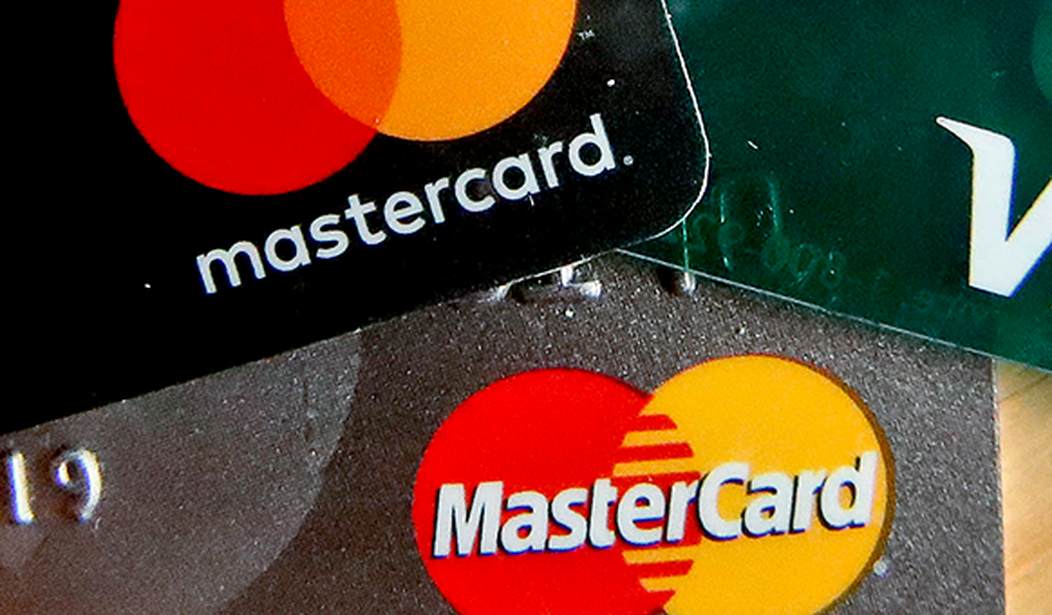

In 2026, debt is no longer just a personal finance issue—it’s a defining force shaping household stability, career choices, and even mental health. After years of economic uncertainty, fluctuating interest rates, and the normalization of “buy now, pay later,” many people have grown accustomed to carrying debt as a permanent feature of life. You can even finance Taco Bell.
But that acceptance comes at a cost. Paying off debt in 2026 isn’t about perfection or deprivation; it’s about reclaiming freedom in a world that increasingly profits from keeping people financially stretched.
Debt comes in all shapes and sizes. Medical debt, credit card debt, IRS debt, and student loans often haunt us for decades, but it shouldn't.
First, debt narrows our options. Monthly payments quietly dictate where we can live, what jobs we can take, and how much risk we can afford. A talented worker may stay in an unfulfilling job because student loans loom. A family may delay moving, saving, or starting a business because credit card balances absorb any extra cash. In an economy that values flexibility and adaptability, debt acts like an anchor. Paying it down restores choice—and choice is power.
Second, the cost of debt is higher than it looks. Interest doesn’t just add dollars; it steals time. Money that could compound in savings, education, or entrepreneurship instead compounds for lenders. In 2026, with digital payments making borrowing frictionless, it’s easier than ever to underestimate how quickly balances grow. Paying off debt is a guaranteed return on investment. Few financial decisions offer such a clear, risk-free benefit.
Debt carries an invisible weight on our shoulders and chests that we can’t ignore. It shows up in sleepless nights, strained relationships, and constant background anxiety. Even when finances appear “manageable,” the psychological weight remains. Becoming debt-free doesn’t solve every problem, but it removes one source of pressure. That relief can translate into better focus, healthier decisions, and a greater sense of control over one’s future.
Most people use debt to finance their biggest purchases, such as a house or a car. Financing a home makes sense if it appreciates or provides other benefits, but financing depreciating assets is a dangerous game, especially with new vehicles.
New cars depreciate by about 30 percent over the first two years, according to Kelley Blue Book. Driving a new car off the lot means losing about $24,000 worth of value if you buy a $40,000 vehicle.
Critics argue that debt is a tool—and they’re not wrong. Used carefully, it can enable education, housing, and opportunity. But tools should be used carefully. In recent years, the line between strategic borrowing and habitual dependence has blurred. When debt becomes the default solution rather than a deliberate choice, it stops serving us. Paying it off is not a rejection of modern finance; it’s a reassertion of intentional living within it.
Nearly every business in 2025 sells debt instead of services, from healthcare to mechanics.
Finally, paying off debt in 2026 is an act of resilience. Households with fewer obligations are better equipped to weather layoffs, medical expenses, or sudden changes. Paying off debt means buying back freedom.
In a culture that normalizes owing and spending more than you make, choosing to pay off debt is radical. It’s a vote for independence, clarity, and long-term security. In 2026, that choice matters more than ever.