





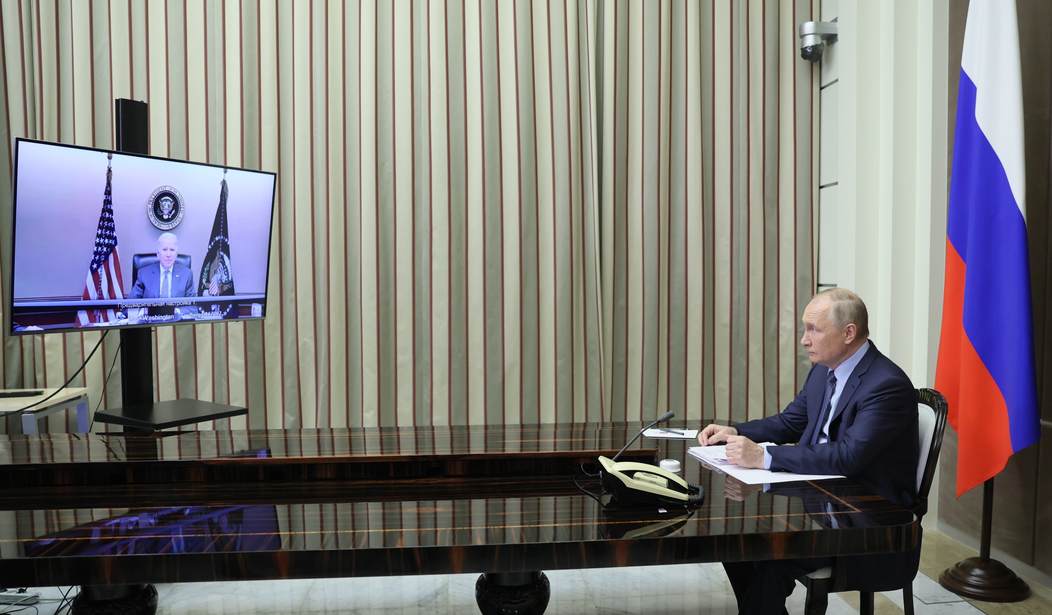
On Friday, the White House explained in a fact sheet and over a Twitter thread that more economic sanctions to are be placed on Russia, done in partnership with the European Union and G7 countries, which aims to "further isolate Russia from the global financial system." Most notably, these sanctions involve revoking Russia's "most-favored nation status."
Biden had also explained that "a most-favored-nation status designation means two countries have agreed to trade with each other under the best possible terms — low tariffs, few barriers to trade and the highest-possible imports allowed."
Happening Now: President Biden announces actions to continue to hold Russia accountable for its unprovoked and unjustified war on Ukraine. https://t.co/bd4Odu8cj9
— The White House (@WhiteHouse) March 11, 2022
Following his remarks, which were under 10 minutes, the president did not take questions.
As CBS News also explained:
Bipartisan lawmakers have been calling on [Biden] to revoke the status, known in the U.S. as "permanent normal trade relations," with Russia. The preferred status means that nations cannot discriminate in their treatment of their trading partners, and the removal of that status means the U.S. and allies will be able to impose tariffs on Russian imports. The White House says Mr. Biden will work closely with Congress to revoke that permanent normal trade relations status from Russia.
Other sanctions include G7 leaders agreeing that Russia cannot finance from multilateral financial institutions, which include the International Monetary Fund (IMF) and the World Bank. There's also to be the banning of export of luxury goods to Russia, which will come via an executive order from Biden. That executive order also bans the U.S. import of goods from "several signature sectors of Russia’s economy," including seafood, alcohol, and diamonds.
The Department of Treasury, the fact sheet notes, is also releasing new guidance on how to make sure sanctioned oligarchs do not try to evade the sanctions, such as through virtual currency.
While the Biden administration has been ramping up sanctions to punish Vladimir Putin and Russian oligarchs for his unprovoked invasion of Ukraine, they have often come at a delay and with a focus on needing to coordinate with other countries and seeing what the rest of the world is doing. This is opposed to taking a more defined leadership role on sanctions.
Putin ordered the invasion of Ukraine over two weeks ago now, with Ukrainian President Volodymyr Zelensky having begged for sanctions for months. Zelensky has gone with a sort of 'I told you so' narrative, as he shared during a virtual meeting with 280 lawmakers last week that "If you had started sanctions months ago, there would not have been war."
The Biden administration, including Secretary of State Antony Blinken, refused, warning about how sanctions could lose their deterrent effect. The president himself caused some confusion on that narrative in an address given the afternoon following the invasion, as he claimed that "no one expected the sanctions to prevent anything from happening."
Earlier this week, Biden also finally announced that the United States was banning the import of Russian oil.


Join the Conversation
VIP members get the ability to comment on articles.