

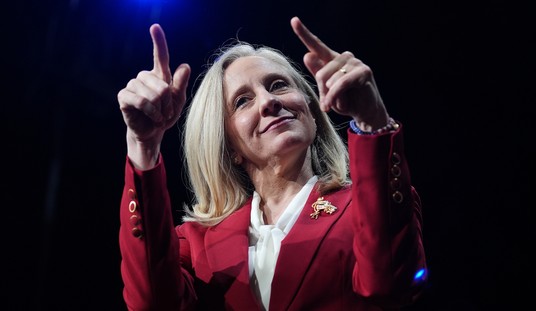
European Commission President Ursula von der Leyen, speaking at a conference in Brussels, revealed that the European Union’s response to the Strait of Hormuz closure is to urge Europeans to simply use less energy, in another sign of weakness from U.S. allies amid the conflict with Iran.
Rather than committing to support the United States militarily or increase pressure on the Iranian regime, von der Leyen instead used the moment to push the continent further away from fossil fuels and toward renewable energy.
The Strait of Hormuz is blockaded.
— Wall Street Mav (@WallStreetMav) April 13, 2026
Europe's plan?
Ursula von der Leyen: "The cheapest energy is the one you don't use." Stay home, don't drive, don't use electricity.
The EU has no plan and no military to change do anything. So they are stuck with "monitoring the situation" pic.twitter.com/crP6O0t0Ku
"The third element is: How can we reduce the demand, because of course, the least expensive energy is the energy that is not used," von der Leyen said. "We should reduce demand while fully respecting the free choice of consumers. So we are looking at energy efficiency levels such as renovation of buildings or the renewal of equipment in industrial operations. These are some measures but there are also other measures that we will present or will be the core of the presentation of the communication next week on the table of the leaders."
This comes amid the European Union's broader plan to mitigate the Strait of Hormuz's closure.
They include more flexible state aid rules, allowing member states to provide targeted support to energy-reliant industries and other vulnerable sectors. They also call for coordinated gas storage across Europe to prevent internal competition, the release of strategic oil reserves, and measures to encourage reductions in energy demand.
In other words, as usual, their strategy is to avoid conflict, avoid assisting their allies, and project to the world that any third-world country capable of controlling critical supply lines can easily control some of the most powerful countries on Earth.