

A battered Iranian regime has been trying to fight back by launching waves of missiles and drones at several Arab Gulf states that host U.S. military forces.
Several cities in Arab nations have become new fronts in the military hostilities between the U.S. and Iran, which has targeted cities, ports, energy facilities, and U.S. military sites. The regime is launching strikes against the United Arab Emirates, Qatar, Kuwait, Bahrain, Saudi Arabia, and Jordan, according to Reuters.
The aim of the strikes against six Gulf states, all of which are U.S. allies and host American military bases, was to ensure those countries put pressure on U.S. President Donald Trump to halt the war, but Iran appears to have miscalculated, they said.
"The Gulf states now face stark choices: to join the United States more openly in its war effort - allowing their skies and territory to be used and potentially participating in military operations - or risk further escalation on their own soil," Abdulaziz Sager, Chairman of the Saudi-based Gulf Research Center think tank told Reuters.
The option of neutrality receded when Iranian missiles started landing and "forced us to be their enemies," pushing states that once hedged their position into open alignment with Washington and a readiness to defend their territory and interests, he said.
Residents have been scrambling for shelter while air traffic has been interrupted because of Iran’s attacks. At least one person was killed in Abu Dhabi while three foreign workers from Nepal, Bangladesh, and Pakistan died from the onslaught. Dozens more migrant workers were injured in Kuwait, according to The Associated Press.
Jon Stewart on Iran’s Retaliation Strategy
— Chief Nerd (@TheChiefNerd) March 3, 2026
“America and Israel attack Iran, and Iran's answer is to just attack everybody??” 😂 pic.twitter.com/jZ31CMntOA
There were reports of fires and explosions near hotels, airports, and coastal areas in Dubai. The launches also destroyed data centers and other critical infrastructure in the UAE even though its air defenses intercepted a number of projectiles.
Iran has also launched salvos of missiles and drones at Israel while trying to also hit U.S. bases in Iraq and Kuwait. The regime’s actions have disrupted maritime traffic going through the Strait of Hormuz. Global shipping firms have been forced to reroute vessels. The attacks appear to be intended to pressure the governments of these nations to pressure the United States to scale back its airstrikes, which began on Saturday.

However, there are indications that this plan is backfiring. Reuters suggested that the offensive is only encouraging these nations to band together.
The Gulf Cooperation Council (GCC) - Saudi Arabia, the UAE, Qatar, Bahrain, Kuwait, and Oman - held an emergency ministerial meeting on Sunday, invoking Article 51 of the U.N. Charter, setting "red lines" and signalling readiness for collective self-defence as energy disruptions and security risks mount.
The GCC message to Tehran was unequivocal - that Iran's attacks had served to strengthen unity among the Gulf states.
It said continued strikes would risk transforming the Gulf from a defensive shield into an "active theatre of response", and the Gulf states have activated joint air-defence systems and reconnaissance flights across regional airspace.
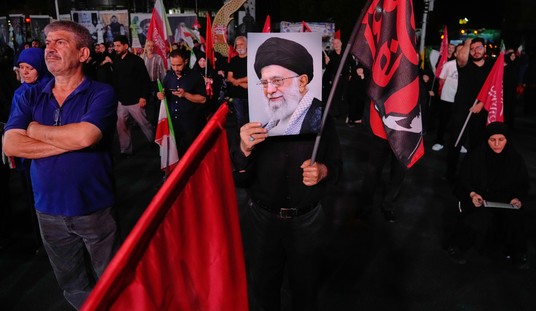
Iran has sustained a devastating level of destruction amid U.S.-Israeli airstrikes. Several key regime leaders, including Supreme Leader Ayatollah Ali Khamenei were killed in the attacks as the government struggles to maintain its hold on power. President Donald Trump suggested that the bombing campaign could continue over the next three to four weeks.