

A young Iranian soldier serving in the country’s security forces is now facing a death sentence after he refused orders to shoot protesters during widespread unrest occurring across the country.
The case has garnered international attention as evidence of the Iranian regime’s brutal crackdown on the protests, which have killed between 2,000 and 15,000 people according to multiple reports.
From WABC Radio:
As uprisings and demonstrations continue in the pursuit of freedom for the people of Iran, a tragic story has emerged. A young Iranian soldier has been sentenced to death because he refused to open fire on peaceful protesters. This account was reported by a human rights group, which has documented alleged abuses from the Islamic Republic during its crackdown against the protests.
Since late December, people in Iran have taken to the streets in protest of economic struggles and the Islamic clerics’ failures as leaders. It’s widely considered one of the more intense threats to the Islamic Republic’s authority since it was founded in 1979.
The Center for Human Rights in Iran (IHRS) identified the security forces member as Javid Khales. Because he allegedly failed to join his fellow soldiers — who were firing at demonstrators as they took part in the anti-government protests — he has been sentenced to capital punishment.
Based in New York City, the IHRS says “When faced with the command to shoot at protesting people, he refused to execute the order, leading to his immediate arrest and the opening of a case against him. Issuing a death sentence for a soldier because he refused to kill people demonstrates the instrumental use of the judiciary to enforce absolute obedience and intensify protest repression,” the rights group added in a statement. The IHRS is also demanding the Iranian government release the full details of the case, as well as any other cases in which protesters have been arrested.
News of Khales’ sentence comes after Iran’s judiciary signaled that the nation would carry out swift trials and executions of those in custody. Human rights groups have estimated that more than 20,000 people have been arrested during these protests. Officials within the Iran judiciary say the protesters actions were akin to “mohareb,” an Islamic term meaning to wage war on God — which carries the death penalty.
The regime is now executing defectors.
— Persian Soccer 🇮🇷 (@prznsoccer) January 20, 2026
Javid Khales, a young police soldier, was reportedly ordered on January 8, 2026 to shoot protesters.
He refused - choosing conscience over joining the #IranMassacre.
He was immediately arrested, transferred to Isfahan Central Prison, and… pic.twitter.com/VMBotkWjKE
The current uprisings represent the most significant and aggressive challenges to the Islamic Republic since the 1979 revolution. The protests broke out on December 28, 2025 as tens of thousands of civilians flooded the streets in response to the devaluation of the nation’s currency.
This situation has created dire economic woes for Iranian citizens. But the protests quickly transformed from a movement centered on economic frustration to a wholesale effort to topple the regime, which has ruled the country with an iron fist for over four decades.
The protests ballooned from tens of thousands of protesters to about five million by January 9. The streets are filled with people calling for the overthrow of Supreme Leader Ayatollah Ali Khamenei.
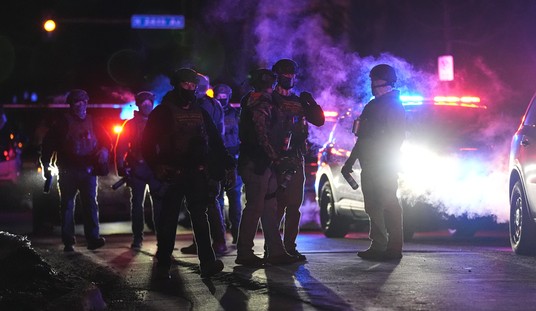
The regime’s response has been fierce, with security forces engaging in bloody clashes with the citizenry. The Islamic Revolutionary Guard Corps (IRGC) and Basij militia escalated from using pellet guns to firing live ammunition at demonstrators.
The Iranian government has also imposed a nationwide internet blackout to prevent Iranians from telling the world what the regime is doing.
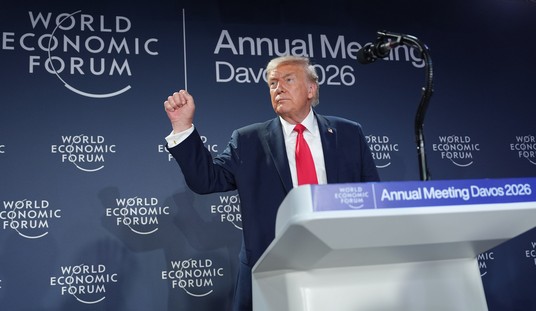
The White House sent the U.S.S. Abraham aircraft carrier to the Persian gulf, which has raised speculation that the U.S. military might carry out airstrikes against the regime. President Donald Trump has repeatedly threatened the nation’s leaders with military intervention if it continues to execute protesters.