


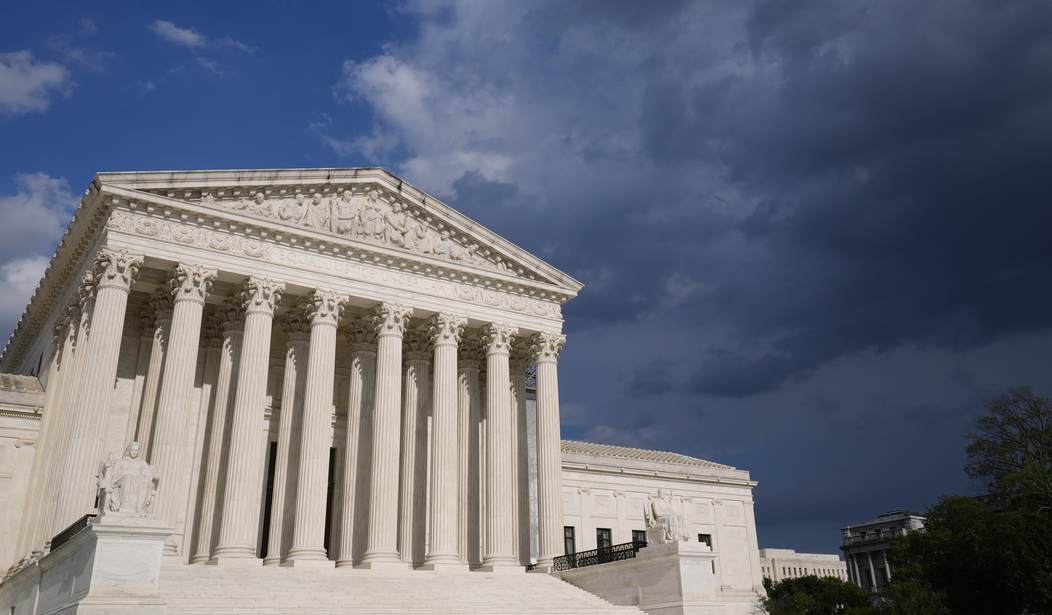
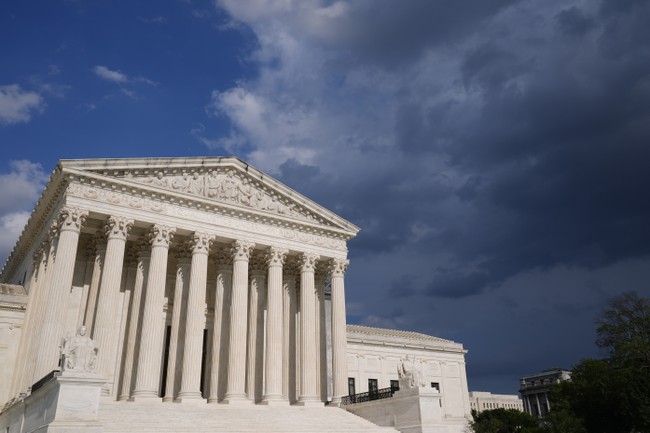
The time has come. The Supreme Court hears arguments regarding what the media is calling a key provision of the Voting Rights Act, which has protected race-based congressional apportionment, specifically majority-minority districts. The case stems from Louisiana v. Callais, in which the state is seeking to redraw its maps. The first attempt was slapped as a Voting Rights Violation, and the latest attempt, which drew a majority-black, was challenged as unconstitutional
In a 6-3 ruling, the Court found the drawing of this district unconstitutional, but did not officially strike down Section II of the Voting Rights Act. We have some nuance here, with the majority trying to tailor a narrow ruling, while the dissenting opinion presents a different interpretation of this case. The Court ruled that the current Louisiana map is unconstitutional, but Section II is not, though the liberal wing claims this provision got obliterated.
"Compliance with Section 2, as properly construed, can provide such a reason. Correctly understood, Section 2 does not impose liability at odds with the Constitution, and it should not have imposed liability on Louisiana for its 2022 map. Compliance with Section 2 thus could not justify the State's use of race-based redistricting here," Justice Alito wrote.
Yet, in Justice Kagan's dissent, which was joined by Justices Sotomayor and Jackson, she writes that this decisions virtually does that: "The new Callais requirements will effectively insulate any practice, including any districting scheme, said by a State to have any race-neutral justification. That justification can sound in traditional redistricting criteria, or else can sound in politics and partisanship. As to the latter, the State need do nothing more than announce a partisan gerrymander."
Recommended
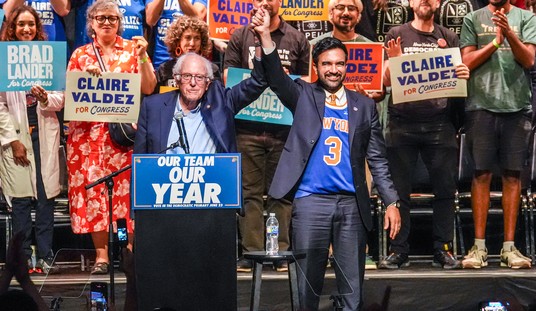
SCOTUS Ruling on LOUISIANA v. CALLAIS by Matt Vespa
BREAKING: The Supreme Court just ruled the race-based map in Louisiana unconstitutional.pic.twitter.com/XEpIiXyudD
— Townhall.com (@townhallcom) April 29, 2026
This case made Democrats nervous as it could virtually wipe them out in the South. It was also dragged out, with some alleging this was done to prevent states from redrawing their maps before the 2026 elections.
BREAKING: Democrats in full meltdown mode after CNN drops bombshell... They've hit the absolute limit on gerrymandering tricks and are still trailing badly in polls ahead of the 2026 midterms.
— Gunther Eagleman™ (@GuntherEagleman) October 15, 2025
The Democrat Party has COLLAPSED! pic.twitter.com/ko4Rm1TWEn
Democrats' chance of taking the House in 2026 have plummeted, while GOP chances have skyrocketed over the last 6 months...
— (((Harry Enten))) (@ForecasterEnten) October 15, 2025
Why?
1. Dems aren't keeping up with the pace they set in 2017 on the generic ballot.
2. GOP may be looking at big gains from mid-decade redistricting. pic.twitter.com/iauGwkTmp2
Democrats in South face wipeout if Supreme Court guts Voting Rights Act — NYT pic.twitter.com/goHof93AS3
— NewsWire (@NewsWire_US) October 15, 2025
There were some wonky moments with this case, like when the NAACP legal team argued that white Democrats don’t vote for black candidates, which is patently false.
NAACP lawyer argues at SCOTUS that it's necessary to create race-based congressional districts because "white Democrats were not voting for black candidates whether they were Democrats or not." pic.twitter.com/PlTPSYNqye
— Greg Price (@greg_price11) October 15, 2025
Editor’s Note: Do you enjoy Townhall's conservative reporting that takes on the radical left and woke media? Please support our work so that we can continue to bring you the truth.
Join TOWNHALL VIP and use the promo code FIGHT to get 60% off your VIP membership!








Join the conversation as a VIP Member