





UPDATE: Mine sweeping has commenced.
— U.S. Central Command (@CENTCOM) April 11, 2026
#BREAKING: U.S. warships cross the Strait of Hormuz for first time since war began.
— Insider Wire (@InsiderWire) April 11, 2026
***
The Strait of Hormuz is a key topic in the ongoing talks in Islamabad, Pakistan, between Iranian officials and Vice President JD Vance, Jared Kushner, and Steve Witkoff. It was open, then closed, and now uncertainty remains. Restoring the flow of oil through the strait is crucial, especially for countries like China. All eyes are on these discussions. It will be fully reopened soon, that’s certain. Iran has no navy, but mines are scattered everywhere, and Tehran has admitted they sort of don’t know their exact locations (via NYT):
Iran has been unable to open the Strait of Hormuz to more shipping traffic because it cannot locate all of the mines it laid in the waterway and lacks the capability to remove them, according to U.S. officials.
The development is one reason Iran has not been able to quickly comply with the Trump administration’s admonitions to let more traffic pass through the strait. It is also potentially a complicating factor as Iranian negotiators and a U.S. delegation led by Vice President JD Vance meet in Pakistan this weekend for peace talks.
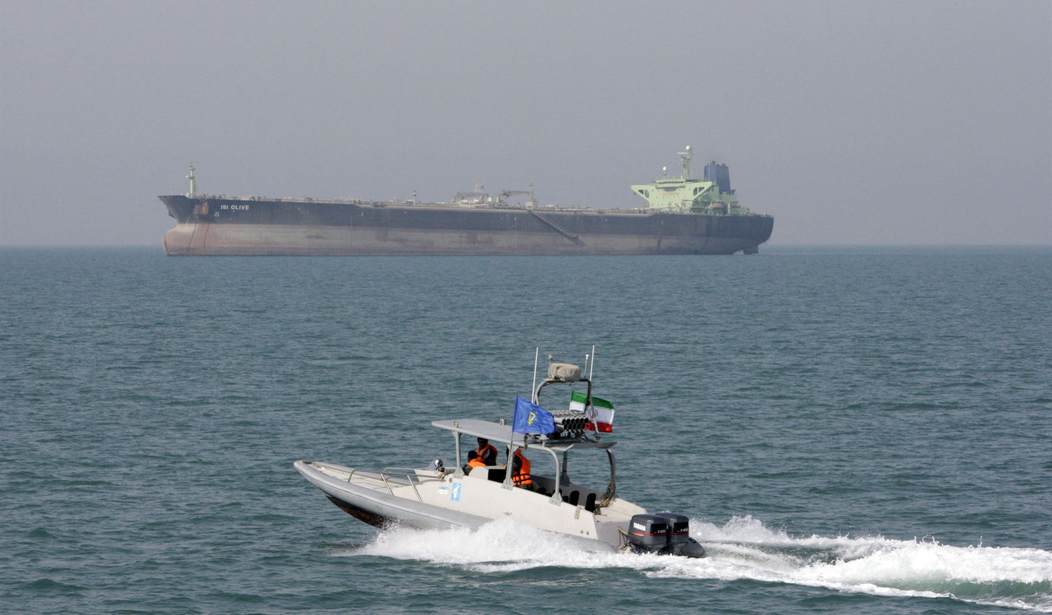
Iran used small boats to mine the strait last month, soon after the United States and Israel began their war against the country. The mines, plus the threat of Iranian drone and missile attacks, slowed the number of oil tankers and other vessels passing through the strait to a trickle, driving up energy prices and providing Iran with its best leverage in the war.
Iran left a path through the strait open, allowing ships that pay a toll to pass through.
[…]
Those routes are limited in large part because Iran mined the strait haphazardly, U.S. officials said. It is not clear that Iran recorded where it put every mine. And even when the location was recorded, some mines were placed in a way that allowed them to drift or move, according to the officials.
As with land mines, removing nautical mines is far more difficult than placing them. The U.S. military lacks robust mine removal capabilities, relying on littoral combat ships equipped with mine sweeping capabilities. Iran also does not have the capability of quickly removing mines, even the ones it planted.
We remove the mines and then control the strait. That sounds fair, given the circumstances, no?
We’ll see what comes from the talks.
Editor’s Note: Do you enjoy Townhall’s conservative reporting that takes on the radical left and woke media? Support our work so that we can continue to bring you the truth.
Join Townhall VIP and use promo code FIGHT to receive 60% off your membership.



Join the Conversation
VIP members get the ability to comment on articles.