





In March, Americans were told to “flatten the curve” with 15 days to "slow the spread" of COVID-19. As state after state locked down, lawmakers urged citizens to “stay home, stay safe.” Now, just weeks after beginning to lift some restrictions, many regions are seeing a new spike in COVID-19 cases. Governors across the country are closing up their states once again, with schools delaying their reopenings this fall or even cancelling in-person classes entirely and businesses thrown into turmoil a second time.
But the Association of American Physicians and Surgeons suggests a different approach.
In a statement released Monday, AAPS had strong words for governors of states with a surge in positive tests like Arizona, Texas, and California where governors have reinstituted lockdowns and mandated mask-wearing.
“These measures will destroy livelihoods, but there is little evidence that they will save lives,” the group said.
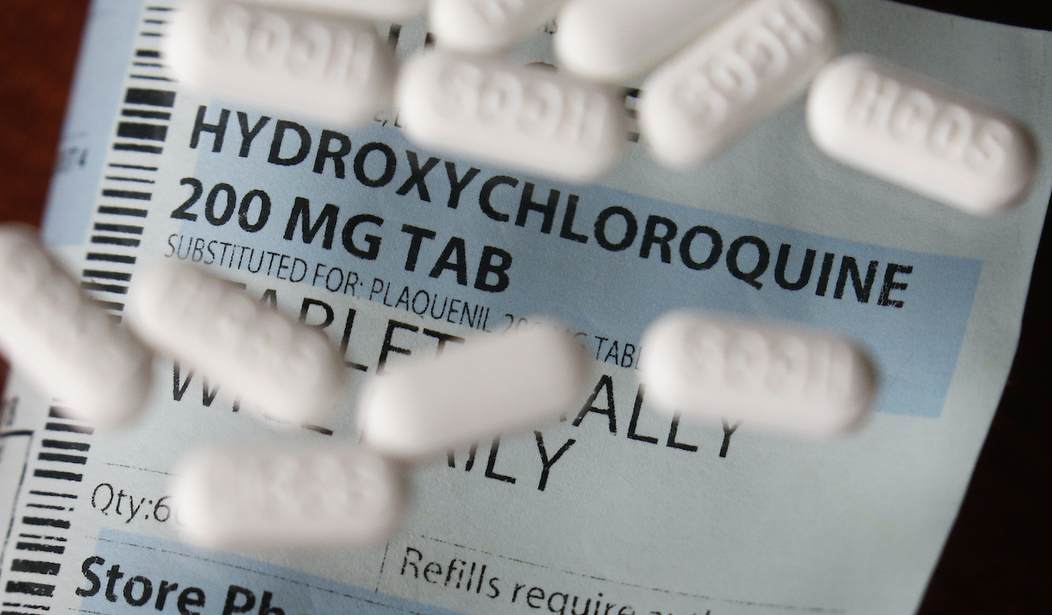
A better strategy, AAPS says, would be an offensive approach that protects demographics most at risk of exposure and infection, such as medical workers and others on the front-lines, by administering hydroxychloroquine. The statement likens the current situation to that of the HIV/AIDS epidemic of the 1980s. Despite decades of effort, there is no vaccine, but those who had been exposed or might have been exposed to the disease would receive drugs to treat them.
As the statement points out, a host of peer-reviewed evidence and international studies have shown that the anti-malaria drug hydroxychloroquine (HCQ) is being used safely and effectively to prevent COVID-19 in exposed workers. Findings include a significant decline in the risk of coronavirus infection, no significant side-affects from the drug, and five-times fewer deaths. Even a study by Michigan’s own Henry Ford Health System found that 13 percent of those treated with HCQ alone died compared to 26.4 percent not treated with HCQ.
The organization’s statement stands in contrast to the narrative put forth by many in the medical industry, including the FDA which has cautioned against use of the drug to treat COVID-19 outside of the hospital setting or a clinical trial. Anthony Fauci, the face of the White House’s coronavirus response, has also expressed skepticism about the drug despite not calling for an outright ban.
Media coverage of HCQ has also been largely negative and governors across the country have taken steps to significantly restrict the use of the drug. Arizona Gov. Doug Ducey (R) banned pharmacists from dispensing the drug unless the patient has a prescription from a doctor stating they actually had the virus and prohibited preemptive use of the drug entirely. In New York, Gov. Cuomo limited the treatment to only hospitalized patients and only those in a New York approved clinical trial. Governors in Ohio, Nevada, Michigan, and Texas have issued similar executive orders dictating which medications are available to doctors.
“To prevent sickness, hospitalization, death, and likely long-term health problems in COVID-19 survivors, governors must immediately remove all restrictions on HCQ use for pre- or post-exposure prophylaxis or treatment of HCQ,” the AAPS statement concludes. “Doctors must be allowed to practice medicine.”


Join the Conversation
VIP members get the ability to comment on articles.