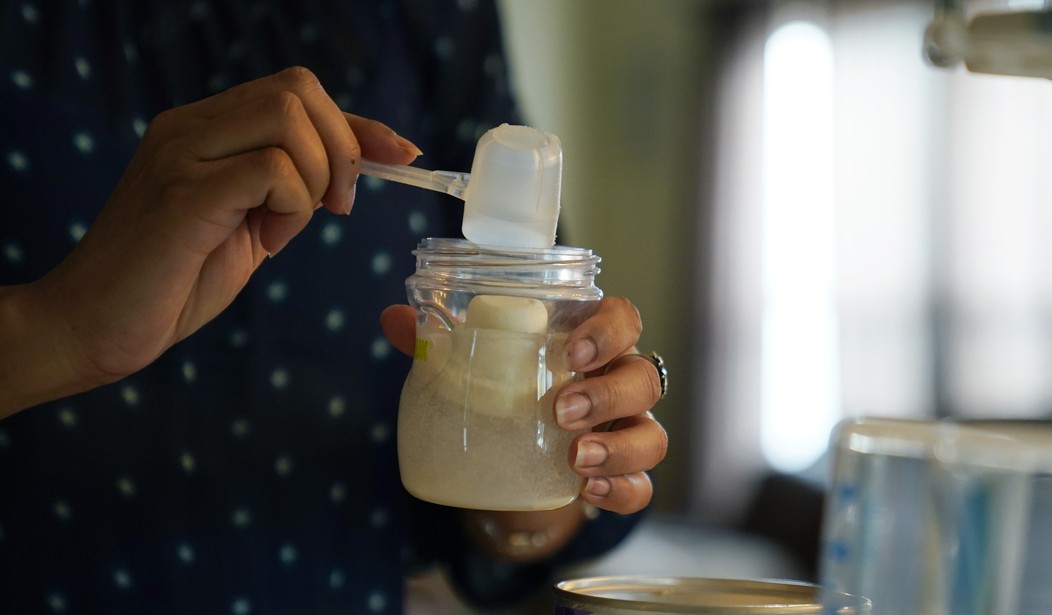

Panicked parents searched high and low during the nationwide infant formula shortage, traveling to more than four stores in a 24-hour period just to find formula, a recent UC Davis survey found. And sometimes even that wasn't enough. Not surprisingly, unsafe feeding practices skyrocketed as a result, jumping from 8 percent before the shortage to nearly 50 percent, research shows.
How did the U.S. reach that point?
In February 2022, Abbott initiated a voluntary recall of some of its products and ceased operations at its Sturgis plant over consumer complaints regarding bacterial infection in infants who consumed formula manufactured at the Michigan facility. While Abbott said there’s no evidence tying its formulas to the infant illnesses, the recall occurred as supply chains were already strained from the pandemic, leading to the massive shortages.
The FDA eventually worked with other formula manufacturers to ramp up production and flew in formula from overseas, but its response was widely criticized, especially given a whistleblower had come forward a year earlier about conditions at the plant.
A new report from the inspector general of the Department of Health and Human Services published earlier this month sheds light on what went wrong.
FDA had inadequate policies and procedures or lacked policies and procedures to identify risks to infant formula and respond effectively through its complaint, inspection, and recall processes. For example, FDA had not developed an organizational structure or assigned responsibilities to handle whistleblower complaints in an efficient and effective manner and took more than 15 months to address a February 2021 Abbott facility whistleblower complaint. In addition, FDA did not escalate an October 2021 whistleblower complaint to senior leadership, resulting in a nearly 4-month delay before senior leadership was aware of the complaint. We also found that FDA did not have policies and procedures to establish timeframes for the initiation of mission-critical inspections, which contributed to one inspection being initiated 102 days after a whistleblower complaint was received. Further, FDA did not have sufficient policies and procedures on how to initiate an infant formula recall under its FDA-required recall authority. (HHS)
The IG made nine recommendations in its report, including how to better handle whistleblower complaints, which the FDA agreed with.
“The long-awaited audit by HHS’ OIG confirms findings by the House Oversight Committee that the 2022 nationwide infant formula crisis was exacerbated by dysfunction and delay within the FDA," said Subcommittee on Health Care and Financial Services Chairwoman Lisa McClain. "This audit confirms testimony by multiple former FDA officials before the subcommittee that the FDA’s failure to heed whistleblower warnings, failure to conduct adequate inspections, and slow responsiveness had serious implications. We are going to continue to use the tool of oversight to ensure that the FDA implements the recommendations in this report, makes necessary adjustments to their policies and procedures, and finally holds affiliated parties accountable."