





Russia vetoed a United Nations Security Council resolution put forth by the U.S. and Japan on Wednesday that would ban the use of nuclear weapons in outer space.
The resolution stemmed from Washington's concerns that Moscow is developing weapons capable of taking out satellites, an allegation Russia denies.
The draft resolution was put to a vote by the U.S. and Japan after nearly six weeks of negotiations. It received 13 votes in favor, while China abstained and Russia cast a veto.
The U.N. text would have affirmed an obligation to comply with the Outer Space Treaty and called on states "to contribute actively to the objective of the peaceful use of outer space and of the prevention of an arms race in outer space."
The 1967 Outer Space Treaty bars signatories – including Russia and the United States – from placing "in orbit around the Earth any objects carrying nuclear weapons or any other kinds of weapons of mass destruction. (Reuters)
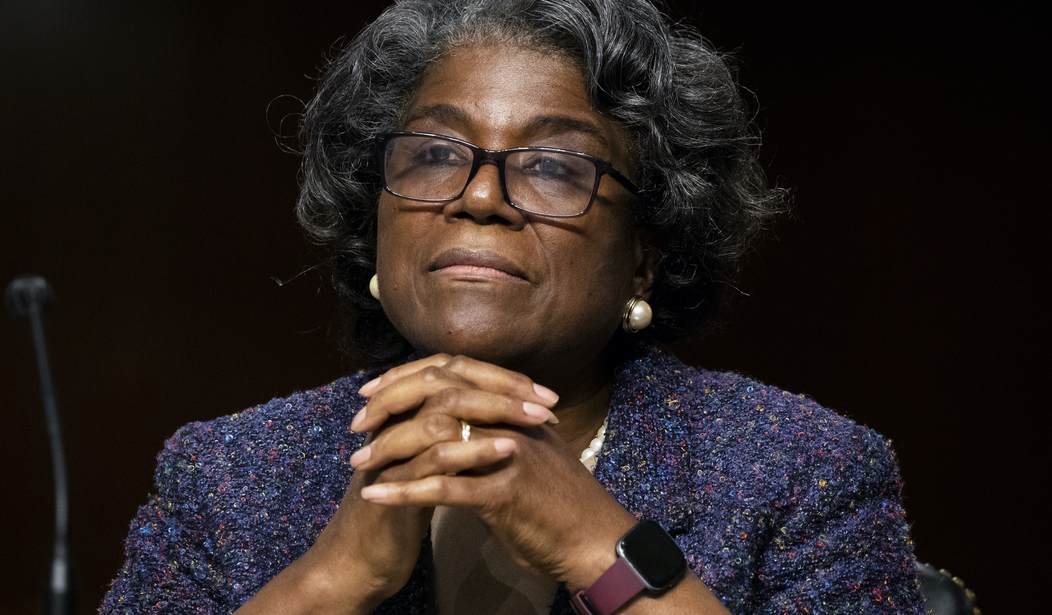
After the vote, U.S. Ambassador to the U.N. Linda Thomas-Greenfield told the council Russia’s veto was “baffling” and “a shame.”
“Today's veto begs the question: Why? Why if you are following the rules would you not support a resolution that reaffirms them? What could you possibly be hiding?" she asked.
In a statement, the White House also questioned the veto.
JUST IN: White House Statement on russia’s Veto of the UNSC Resolution on the Outer Space Treaty:
— Alex Raufoglu (@ralakbar) April 24, 2024
“We have heard… Putin say publicly that Russia has no intention of deploying nuclear weapons in space. If that were the case, Russia would not have vetoed this resolution” pic.twitter.com/8falaihXn7
Russia, meanwhile, said it is working on its own resolution that would keep peace in space.
"We want a ban on the placement of weapons of any kind in outer space, not just (weapons of mass destruction). But you don't want that ... Let me ask you that very same question: Why?" Russia's U.N. Ambassador Vassily Nebenzia asked Thomas-Greenfield.
#Polyanskiy: The only reason for 🇺🇸and🇯🇵 to present this resolution [on WMDs in space] was to tarnish Russia. This is absolutely clear. This is the way the veto power is being abused by a P5 member, and this is, of course, shameful for the United States.https://t.co/6LeLk1iIpn pic.twitter.com/si7JevK3ub
— Russia at the United Nations (@RussiaUN) April 24, 2024

Join the Conversation
VIP members get the ability to comment on articles.