





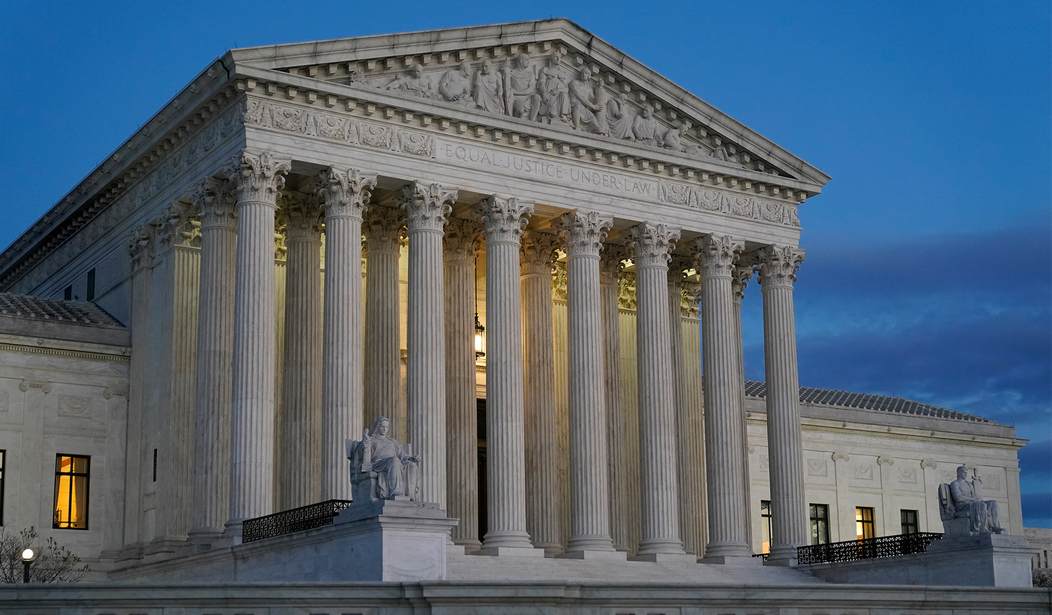
The Supreme Court on Thursday ruled unanimously in favor of a Christian postal worker who refused to work Sundays because of his faith.
In the case, Groff v. DeJoy, the mail carrier, Gerald Groff, argued the U.S. Postal Service violated Title VII of the Civil Rights Act of 1964 that requires employers to accommodate employees’ religious practices so long as it would not pose an “undue hardship” for the business.
The court was tasked with deciding whether USPS could require him to deliver Amazon packages on Sundays, which as an evangelical Christian, Groff observes as the Sabbath, a time to worship and rest.
While employed, Groff did not work on Sundays but that changed when the postal service began deliveries for Amazon on Sundays. He transferred to a more rural location to avoid this, but that area also began Sunday deliveries. He was then required to redistribute his workload to coworkers but soon began receiving “progressive discipline,” prompting him to resign and ultimately sue.
“Observing the Sabbath day is critical to many faiths—a day ordained by God. No one should be forced to violate the Sabbath to hold a job,” said Randall Wenger of the Independence Law Center.
“Workers have suffered too long with the Supreme Court’s interpretation that disrespects the rights of those with sincere faith commitments to a workplace accommodation. It’s long past time for the Supreme Court to protect workers from religious discrimination," said lead trial counsel Alan Reinach of the Church State Council.
For decades, the Court’s decision in Trans World Airlines v. Hardison contained language that set an unfortunate standard for review of Title VII employment discrimination claims based on religion. Lower courts would overwhelmingly side with employers whenever a religious…
— Carrie Severino (@JCNSeverino) June 29, 2023
The Court today rejects the key problematic language from Hardison, and holds that a demonstration of hardship for employers entails a showing of "substantial" burdens—a higher standard. This will ensure greater protection for religious freedom claims by employees going forward.…
— Carrie Severino (@JCNSeverino) June 29, 2023
The Supreme Court's second opinion is Groff v. DeJoy. The court overturns Title VII's de minimis standard for religious exemptions under Title VII. https://t.co/3hEpwxt9G3 pic.twitter.com/cfYMpWJQOl
— Mark Joseph Stern (@mjs_DC) June 29, 2023


Join the Conversation
VIP members get the ability to comment on articles.