
There have been many theories about the origin of the novel coronavirus — from bats to the wet market to the Wuhan Institute of Virology to the Chinese’s conspiracies blaming India, Italy, and the U.S. military.
Now, the World Health Organization is pointing to a “likely source,” but former U.S. Ambassador to the U.N. Nikki Haley said the investigators have been focusing on the wrong thing.
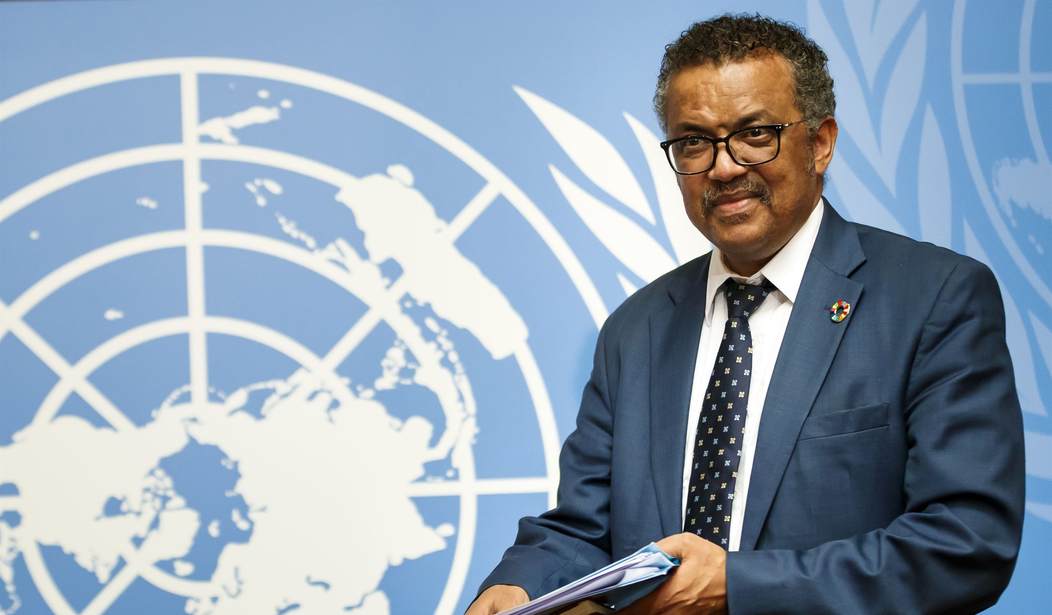
Dr. Peter Ben Embarek, food safety and animal disease specialist and chairman of the WHO's investigation team, told reporters the novel coronavirus "most likely" jumped from animals to humans, but that theory will "require more studies and more specific targeted research."
“In terms of understanding what happened in the early days of December 2019, did we change dramatically the picture we had beforehand? I don’t think so,” Ben Embarek said. “Did we improve our understanding? Did we add details to that story? Absolutely."
The WHO has sought to manage expectations of a definitive conclusion to the origins of the Covid pandemic. To put the mission in a broader context, it took more than a decade to find the origins of SARS, while the origins of Ebola — first identified in the 1970s — is still not yet known.
It is hoped that information of the earliest known cases of the coronavirus, first detected in Wuhan in late 2019, could help to identify how the outbreak started and prevent future pandemics. (CNBC)
Haley said, however, that determining the virus's origin "is not the point."
"The investigation needs to be on when China knew and why they kept it from the rest of the world, didn’t sound the alarm, & hoarded PPE to protect China," she argued.
The WHO completes its investigation of coronavirus saying it was transmitted from animals to humans. That is not the point. The investigation needs to be on when China knew and why they kept it from the rest of the world, didn’t sound the alarm, & hoarded PPE to protect China.
— Nikki Haley (@NikkiHaley) February 9, 2021
Haley is right. China initially lied about the outbreak, disappeared medical workers who tried to warn the world, destroyed evidence, rebuffed international offers to help, and kicked out journalists from the U.S. These, in addition to Haley's questions, are what we really need answers on.