





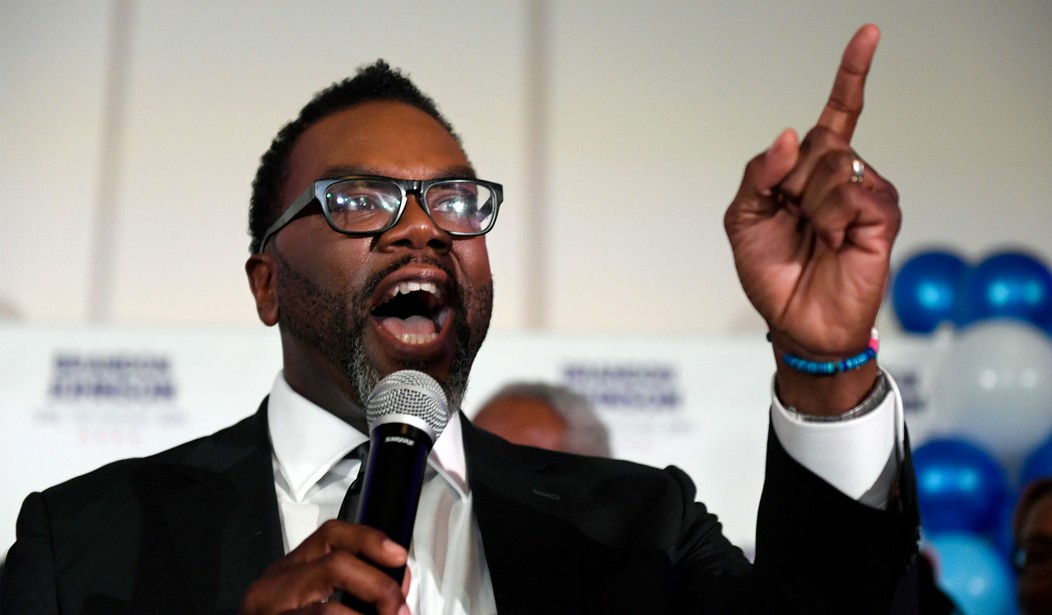
Chicago Mayor Brandon Johnson (D) released a statement on Monday after Illinois abolished cash bail as a condition of pretrial release, with some exceptions for violent and sexual crimes, saying putting people in jail does not work for keeping the public safe.
"If incarceration [equals] safety, the U.S. would be the safest country in the world. We’ve tried prosecuting our way out of gun violence. It hasn’t worked," Johnson posted on X, formerly known as Twitter.
"For too long, the money's bond system has exacerbated existing inequities and disparities in the legal system and has not improved safety. Pretrial detention, as a result of the inability to pay bond, further decimates communities that have long been impacted by mass incarceration and the destabilization of families and households," Johnson said.
If incarceration = safety, the U.S. would be the safest country in the world. We’ve tried prosecuting our way out of gun violence. It hasn’t worked.
— Mayor Brandon Johnson (@ChicagosMayor) September 18, 2023
Thank you to the legislators and advocates making Illinois a national leader in reform by working to eradicate a broken system. pic.twitter.com/kOkusB0v4u
As Madeline wrote for us yesterday about the new system:
Going forward, people charged with the state’s lowest level offenses will most likely never set foot in a jail cell, including at a police station, after their arrest. These people will likely be released with a citation and a court date without being processed at the police station. Law enforcement will be allowed to take certain individuals into custody if they cannot be properly identified or if they believe the person is a danger to the community. Police will be required to explain why the person was held.
Judges will decide if a defendant poses a public safety threat. If they do not, they will be released without being required to post any money. Those arrested for violent crimes will likely be detained by a judge.


Join the Conversation
VIP members get the ability to comment on articles.