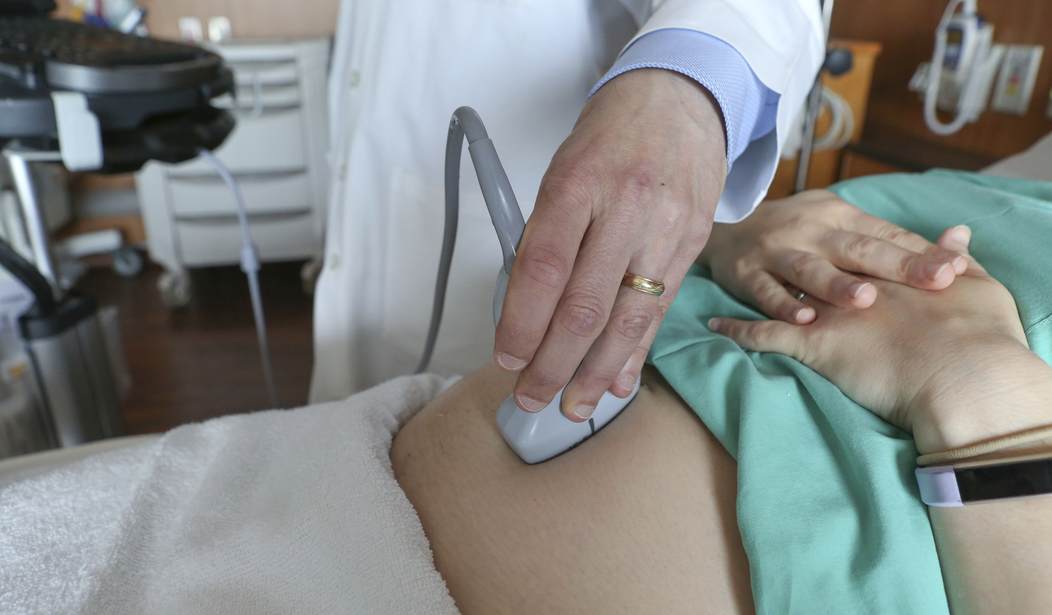

Having a baby in America is one of the most common and expensive hospitalization charges in the U.S., with total charges averaging more than $20,400, including nearly $3,000 in out-of-pocket expenses. Thanks to an OB-GYN-backed change in billing codes by the American Medical Association, that cost may go up, and could cause major problems with high-deductible healthcare plans.
🚨 The American Medical Association is about to make it a lot more expensive to have a baby in America.
— Greg Price (@greg_price11) June 11, 2026
Since they have a monopoly over medical billing codes, they've decided to jack up hospital bills for new mothers by moving to an a la carte system for services instead of… pic.twitter.com/X0NJ8QR2LM
Starting in January, new billing codes will take effect, changing how maternity care is charged. Rather than a bundled charge for all services received, patients will now be billed individually for each service. The change is sparking concerns that doctors will be financially incentivized to prescribe more services than necessary.
OB-GYNs have supported the billing change for years. In a recent CBS report, Lisa Hofler, chair of the Department of Obstetrics and Gynecology at the University of New Mexico and a member of the committee that developed the new codes, said the set number of visits is arbitrary and inaccurate. The lump-sum charge does not accurately reflect the total charges. "If someone comes in for a birth, no matter how long or how short their labor or how complicated or uncomplicated their delivery, the global reporting is the same because we only have one code," Hofler said.
Insurance industry representatives are sounding the alarm for patients with high-deductible health plans, saying it could raise their out-of-pocket costs. Additionally, the code restructuring will fundamentally change how insurance companies manage maternity services, as Chris Bond, a spokesperson for AHIP, told CBS. With the change set to take effect in less than a year, there is little time left for insurance companies to restructure their policies, making the potential cost increase unknown.
So, if you're expecting a baby in 2027, the AMA may be about to raise the cost of your labor — and your doctors are supporting it.