


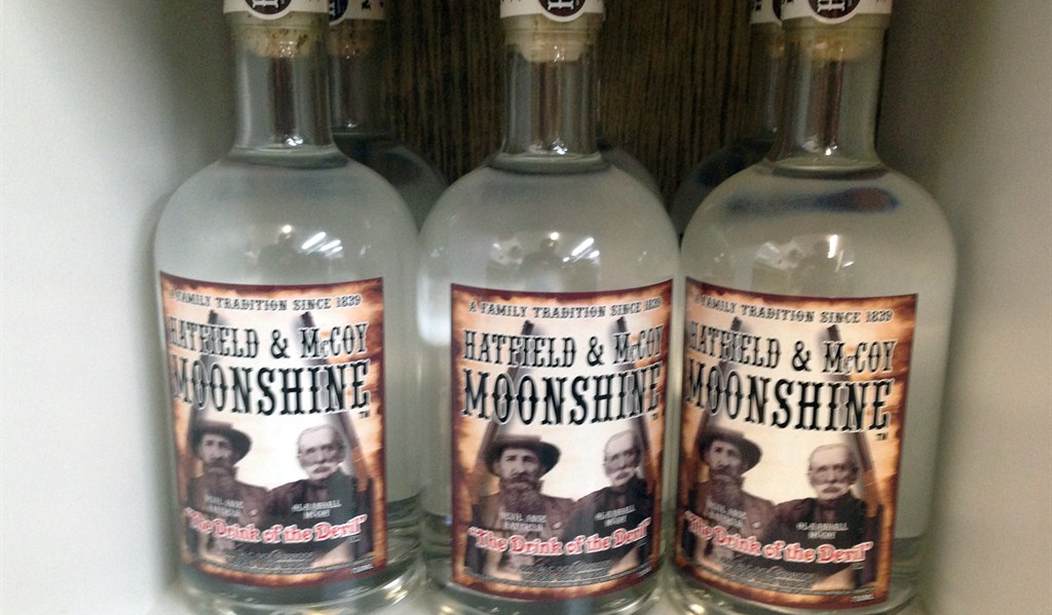
The New Orleans-based Fifth Circuit Court of Appeals on Friday delivered a significant victory against government overreach and nanny-state nonsense, ruling that the 158-year-old ban on homemade liquor is unconstitutional.
The ruling is the result of a lawsuit filed by the Hobby Distillers Association and four hobbyists who sought to make spirits at home for personal use. The panel held that Congress went too far by criminalizing home distillers under its taxing power.
The law did more than just regulate homemade spirits. It prohibited people from having distilled spirits plants in a home, a connected shed, a yard, or an enclosure. Those who violate the law could face up to five years in prison and a $10,000 fine.
Boys It's finally legal to come out of the woods, pines and mountain
— maxxhazzard (@maxxhazard) April 11, 2026
Yesterday, The New Orleans 5th Circuit of Appeals ruled in favor of 1,300 members of the Hobby Distillers Association saying that the 158yo federal ban on home distilleries is unconstitutional and is an… pic.twitter.com/AiEuc2D0ch
The law dates back to 1868, when Congress sought to protect federal excise-tax revenue on distilled spirits. However, Judge Edith Jones argued, “Not only do they prohibit at-home distilleries, but in so doing, they amount to an anti-revenue provision that prevents distilled spirits from coming into existence.”

The case hinged on a foundational constitutional question: Does Congress possess the authority to ban peaceful activity in the home to make it easier to tax it? The plaintiffs contended that Congress can tax distilled spirits, but cannot use that authority to eliminate home production of spirits before the taxable product even exists.
Y’all are way too excited over this.
— Cassie Clark (@dogwoodblooms) April 12, 2026
Yes, it’s a major win — but this ruling applies only in Texas, Louisiana, and Mississippi (for the plaintiffs and Hobby Distillers Association members with standing).
We need this case (or a similar one) to go all the way to the Supreme… https://t.co/mljjgqow4J pic.twitter.com/TRySBhdcv4
The federal government argued that home distilleries could make it easier to conceal their activities or hide the strength of the spirits, making it harder to detect tax evasion.
However, the panel did not buy this argument. It noted that the law was not actually a tax measure. Congress’ power to impose taxes only allows it to raise revenue, not impose a ban that leaves citizens with no lawful options. “[U]nder the government’s logic, Congress may criminalize nearly any at-home conduct only because it has the possibility of concealing taxable activity,” Jones wrote in her opinion.
This ruling is a major win for liberty because it reaffirms that the federal government’s power over people’s personal conduct is limited. Congress should never be empowered to exercise police power over people’s private, personal lives if they are not violating the rights of others.
To put it simply, if a guy wants to make his own whiskey, it should be none of the government’s business. Laws like these only grant the state authority that it was never meant to have; it’s one of the reasons why our government has become so bloated that it can stick its nose into people’s private lives.
The ruling only applies to the federal law, meaning that state and local governments can still regulate home distilleries.









Join the conversation as a VIP Member