





Chief U.S. District Judge James Boasberg altered grand jury procedures in federal court in Washington after the Trump administration tried to indict six Democratic members of Congress, according to several reports.
Boasberg issued an order on March 4 in the U.S. District Court for the District of Columbia requiring notice when a grand jury refuses to approve an indictment. Typically, grand jury rejections remain sealed, but this new rule will ensure that judges will be notified if federal prosecutors fail to secure a grand jury indictment.
The new procedure applies when prosecutors open a case as a grand jury investigation, but fails to get enough jurors to support charges against a defendant. Under the new directive, the grand jury foreperson must promptly notify the duty magistrate judge in writing under seal. The clerk’s office will keep the notice in confidential files.
This is not a permanent rule change. Boasberg’s order will stand for 120 days as the court considers making the policy a local rule.
NEW: Chief U.S. District Judge James Boasberg issued a temporary 120-day standing order on March 4, 2026, requiring written notification to the duty magistrate judge whenever a grand jury declines to indict in a GJO investigation. Notifications will be kept confidential in the… pic.twitter.com/o7xuI80t83
— John Fitzgerald Kennedy Jr (@realJohnJohnJr) March 19, 2026
Recommended
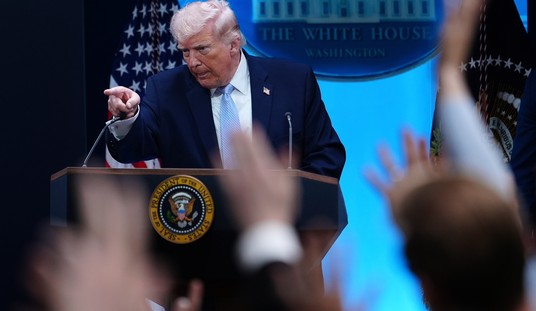
Boasberg’s actions come after the Justice Department attempted to charge six Democratic lawmakers under a federal statute that prohibits interference with “the loyalty, morale, or discipline” of the U.S. armed forces. This came after the lawmakers participated in a video in which they urged service members not to comply with unlawful orders.
President Donald Trump savaged the video, referring to it as “seditious.”
However, the grand jury declined to approve charges against the lawmakers.
The chief federal judge for the District of Columbia has ordered that magistrate judges be notified whenever a grand jury declines to indict, a rule that applies when a case begins as a grand jury investigation.https://t.co/OaMreEZyln
— Badlands Media (@BadlandsMedia_) March 17, 2026
Boasberg appears to be trying to foster more accountability inside a process that is usually concealed from scrutiny. If prosecutors can just quietly walk away after they fail to secure a grand jury indictment, judges won’t know how politically sensitive cases are being handled.
The rule would not make these grand jury decisions public, but it would create an internal record that could discourage prosecutors from repeatedly trying to secure grand jury indictments based on flimsy evidence.
But this raises an important question: Why now?
Boasberg could have done this at any point during his tenure. Yet, he is only doing so now. Yes, scrutiny on federal prosecutors is important. The authorities should never be empowered to target people based on politics or other arbitrary concerns. But Boasberg is clearly more motivated by politics than by a desire for accountability. It is clear he has a personal vendetta against the Trump administration, and this is what’s prompting this rule change.
Editor’s Note: Do you enjoy Townhall’s conservative reporting that takes on the radical Left and woke media? Support our work so that we can continue to bring you the truth.
Join Townhall VIP and use promo code FIGHT to receive 60% off your membership.








Join the conversation as a VIP Member