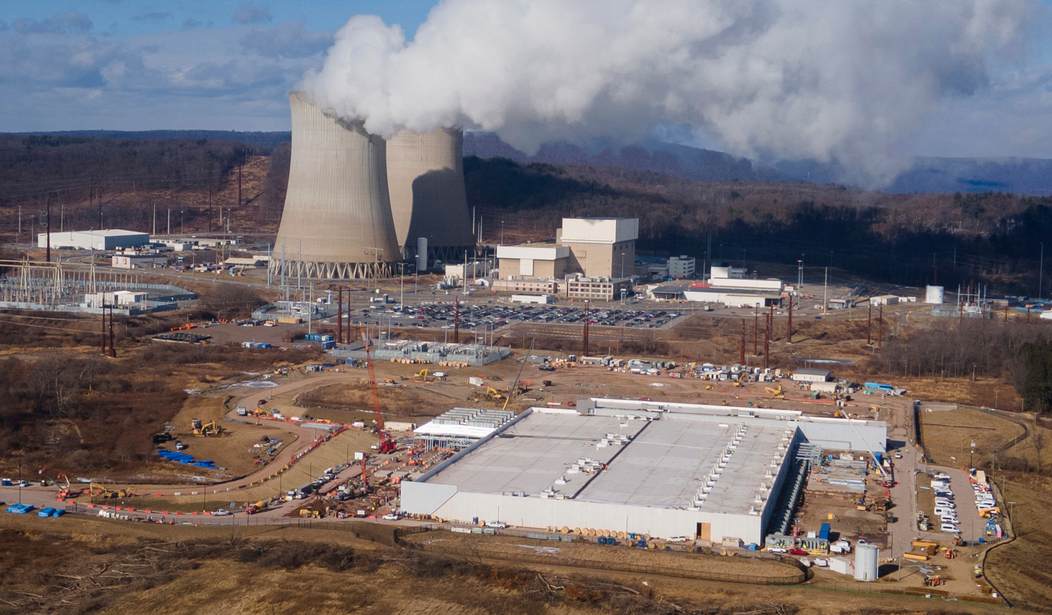

The rise of artificial intelligence has brought with it more uses of eminent domain as state and local governments seize property to make way for massive new data centers and the high-voltage power lines they need to function.
The Associated Press reported that utilities and grid planners are proposing long-distance transmission projects that would run through farms, forests and small towns so that Big Tech facilities can obtain enough electricity to power their technology.
However, this has left landowners with worries that their government will ultimately force them to relinquish their property.
States and utility companies insist these projects are necessary to to prevent blackouts as data centers begin consuming more energy. A single AI data center can use as much electricity as 100,000 homes. Some proposed facilities could consume more power than cities like Pittsburgh or New Orleans. This has raised concerns not only about eminent domain, but increasing electric bills for average American consumers.
State regulators and legislators have found themselves under pressure to approve new power lines and plants while trying to ensure that ordinary Americans are not forced to foot the bill for these projects. Utility companies argue they have a legal duty to serve new industrial customers — including data centers. They contend that eminent domain is sometimes the only way they can complete the power lines.
Data centers will destroy rural areas in America. They're not set up for this much power in rural grids.
— Margo (@MargoinWNC) November 16, 2025
Be prepared for eminent domain to become prevalent in rural communities. It's happening here in my small rural area. The population isn't growing but they need more… https://t.co/NitsC0B2vZ
This means there is a high likelihood that the U.S. will see an increase in eminent domain use in the years to come as these projects are established. In Pennsylvania, utility company PPL proposed a new high-voltage line that would run about 100 feet from one family’s home. Other landowners in the area say they are afraid the government will force them to give up their property if they refuse.
In Maryland, landowners posted signs saying “No eminent domain for corporate gain” along rural highways in response to a plan to build a 67-mile transmission line across three counties, including Baltimore, Frederick and Carroll, according to NBC News. Local officials in the three counties have publicly spoken out against the project and asked state and federal authorities to intervene.
Steve McKay, a Frederick County councilman said the project “brings people to tears” and “makes others angry” that “this out-of-state firm is going to come in and potentially be given the authority by eminent domain to take land.”
Dominion Energy used eminent domain against a farmer in Virginia last year to seize his land for transmission lines tied to a new data center, The Guardian reported. 82-year-old Ida Huddleston refused a contract worth more than $33 million from the Fortune 100 company planning to plant a new AI data center.
Proposed 500‑kV lines to serve data centers are prompting landowner fights over property, farmland and eminent domain as utilities cite AI/data demand; regulators weigh faster approvals and alternatives. #PowerLines ⚡️ https://t.co/rTogrPv8q9 pic.twitter.com/PTE4D6QCgo
— Powerful Digital Marketing (@powerfuldigi) March 8, 2026
This is already creating what will likely become a more heated debate about using the government to seize private land for private profit rather than authentic public use. Critics say these projects threaten farms, property values, and waterways “all for electricity that they don’t think benefits them,” because much of the power will run to remote server farms instead of local homes and businesses, PBS NewsHour reported.
The Wisconsin Institute for Law & Liberty letter argued, “The use of eminent domain power must be the absolute last resort.”