Minnesota lawmakers introduced a new bill that would completely prohibit state and local government agencies from using facial recognition technology.
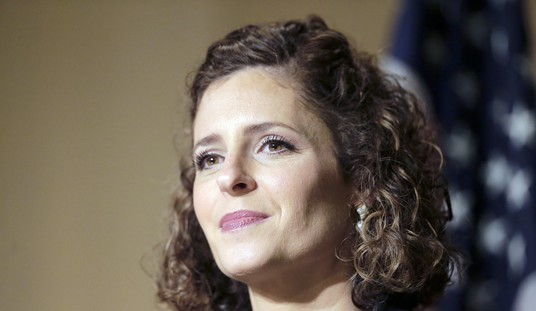
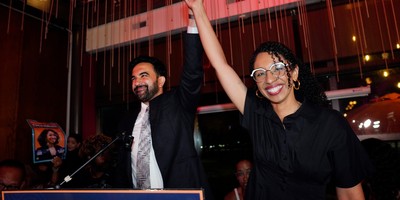
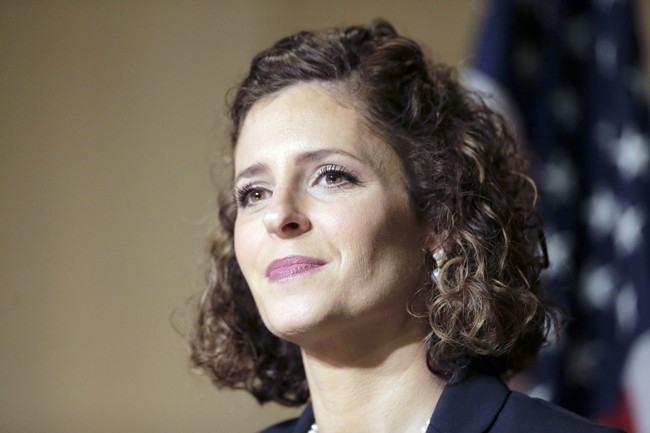
The bill was introduced in the Minnesota House on February 23, 2026. It is sponsored by state Rep. Aisha Gomez.
The bill comes amid nationwide concerns regarding how law enforcement agencies use facial recognition technology. It would create a new section in Minnesota statutes that would mandate that a government entity or official cannot “obtain, retain, access, or use a face surveillance system or information obtained from a face surveillance system” and may not “enter into an agreement or arrangement with a private entity” to perform this type of surveillance on the government’s behalf.
The proposed legislation would apply to all law enforcement entities in the state. It does not include carve-outs for airports or limited law enforcement uses, unlike similar bills in other states.
State and local law enforcement agencies in Minnesota have typically employed facial recognition technology primarily as an investigative tool, not for real-time mass surveillance. They run still images from crime scenes or mugshots against driver’s license and booking photo databases to generate possible matches in serious cases such as violent felonies.
Recommended
Facial recognition has already caused serious civil rights violations in Minnesota. It has led to wrongful arrests. The ACLU of Minnesota said Bloomington police and the Hennepin County Sheriff’s Office used flawed facial recognition to link 21-year-old Kylese Perryman to a robbery and carjacking even though he had solid alibis and clear physical differences from the actual suspect.
This is our client Kylese Perryman.
— ACLU of Minnesota (@ACLUMN) June 28, 2023
He was wrongfully detained and charged with crimes he did not commit because police did not properly investigate and used facial recognition software to "match" him to the suspect. The suspect had no visible tattoos & was shorter than Kylese. pic.twitter.com/kFG8O3PYDz
ACLU of Minnesota announces federal lawsuit against City of Bloomington, Hennepin County on behalf of Kylese Perryman.
— Mary McGuire (@mcguirereports) June 28, 2023
Perryman was arrested and detained in 2021 after facial recognition technology connected him to a violent carjacking at Mall of America. pic.twitter.com/EtafpoR1iU
Nevertheless, he spent days in jail and authorities monitored him for weeks. He filed a federal lawsuit claiming his Fourth Amendment rights were violated.
The Minnesota Bureau of Criminal Apprehension has used Clearview AI software to compare suspect images to a vast collection of photos taken from the internet. In 2024, the Mall of America rolled out facial recognition in partnership with law enforcement. It draws about 40 million visitors per year, which raised concerns about how agencies can use the technology to scan and track shoppers’ faces as they move around the area.
The U.S Commission on Civil Rights has often warned that government use of facial recognition can result in civil rights violations — especially for ethnic minorities. In a 2024 report, it called for stricter limits on the technology. Other groups have argued the unregulated facial recognition “poses a significant threat to the foundation of our free society and urgently requires democratic oversight,” American Civil Liberties Union attorney Ashley Gorski said in a statement.