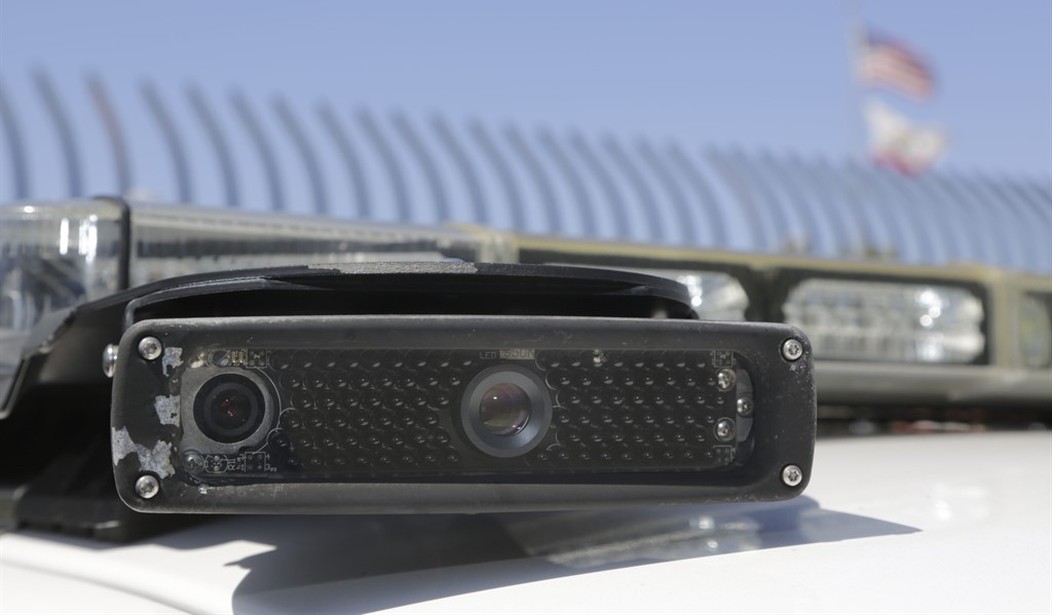
Arizona state lawmakers are debating a controversial bill that would essentially prevent the public from seeing how the state employs automated license plate readers (ALPRs) to track civilians.
Senate Bill 1111, introduced by Republican State Sen. Kevin Payne of Peoria, would establish rules law enforcement must follow when using the surveillance cameras. But it also blocks the public from reviewing the data law enforcement collects using these surveillance tools, AZMirror reported.
ALPRs, specifically those made by the company Flock Safety, have been a source of controversy, both for the wide-ranging network of cameras — the company claims to have more than 80,000 AI-powered cameras in over 5,000 communities across 49 U.S. states — and how law enforcement uses them. In one instance, police in Texas used the system to search for a woman who had received an abortion in a state where it was legal.
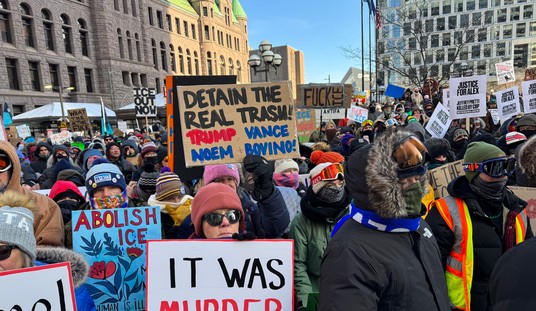
The Glendale Police Department used an anti-Romani slur last year when conducting a search of the same data, and Arizona police have used the tech to spy on protesters exercising their First Amendment rights, according to reporting by the Electronic Frontier Foundation.
There are also concerns with how Flock manages the vast amounts of data it collects each day, including cybersecurity researchers discovering that its AI-powered cameras were exposed to the internet without a log in, allowing anyone to track their own or any one else’s movements. Recent reports have also revealed that errors in Flock redactions in public records releases that revealed millions of potential surveillance targets.
Payne’s bill defines what ALPRs can be used for, something he said in a press release that “draws a clear line” and allows law enforcement to use the technology while “protecting innocent Arizonans from government overreach.”
But one thing Payne didn’t mention in his announcement was that his legislation snuffs out public scrutiny of how license plate readers are used in Arizona by exempting all ALPR data from public records.
Police-backed GOP bill would shield Arizona license plate reader data from public review https://t.co/gA4kAjnIe1
— Jerod MacDonald-Evoy (@JerodMacEvoy) January 14, 2026
SB 1111 would empower state and local law enforcement agencies in Arizona to use ALPRs to track certain people. The cameras function by photographing every passing vehicle and converting license plate images into searchable computer data.
The bill mandates that law enforcement can only use this data for criminal investigations, to search for missing persons, or help people in danger. Police cannot use the technology to enforce routine traffic violations unless they are connected to an accident or pose a danger to the community.
Law enforcement agencies would have to limit access to data to authorized personnel only, meaning the public would not be able to see how local and state governments are collecting and using the data. Instead, the government would rely on annual audits to root out any unauthorized or illegal use of the cameras.
Recommended

🚨 SB 1111 — License Plate Reader Expansion
— Jen's Two Cents. 🎙 (@JensTwoCents_AZ) January 14, 2026
This bill authorizes use of automatic license plate readers (ALPRs)—while blocking public records access to the data.
➡️ Why it matters: Citizens would be unable to FOIA their own location data. Massive surveillance power with minimal… https://t.co/9zDyYZgx16
Police organizations support the measure, arguing that it would help them identify stolen vehicles, track suspects, and solve crimes more efficiently.
Conversely, privacy advocates and civil liberties organizations are sounding the alarm about the bill — especially as it pertains to transparency. They point out that it would essentially authorize a sweeping surveillance network while preventing those being surveilled from seeing how the technology is being used.
The desire to curb crime is reasonable — most civilians want police to be able to apprehend criminals. However, people also want their privacy and the ability to hold government accountable when it abuses its authority.
This bill ain’t it, folks.
As the ACLU explained, this technology has “the potential to create permanent records of virtually everywhere any of us has driven.” It means that when Arizonans leave their homes, their local and state governments can track their movements.
By supposedly tracking criminals. Law enforcement will collect data on millions of innocent people and store it for God knows what purposes.
But the worst part of the bill is the blatant lack of accountability. It essentially says, “We’re going to spy on you and prevent you from seeing how we’re doing it.”
It means that when (not if) government officials use this data for nefarious purposes, it is unlikely that they will be held accountable. The bill just seems like another way to enable bad actors in the government to overstep their boundaries without having to worry about accountability.
Yes, we certainly want to be protected from criminals. But we also want to be protected from the government. This bill might help with the former, but definitely not with the latter.