



Let's rehash this, because it wasn't the best news heading into Christmas.
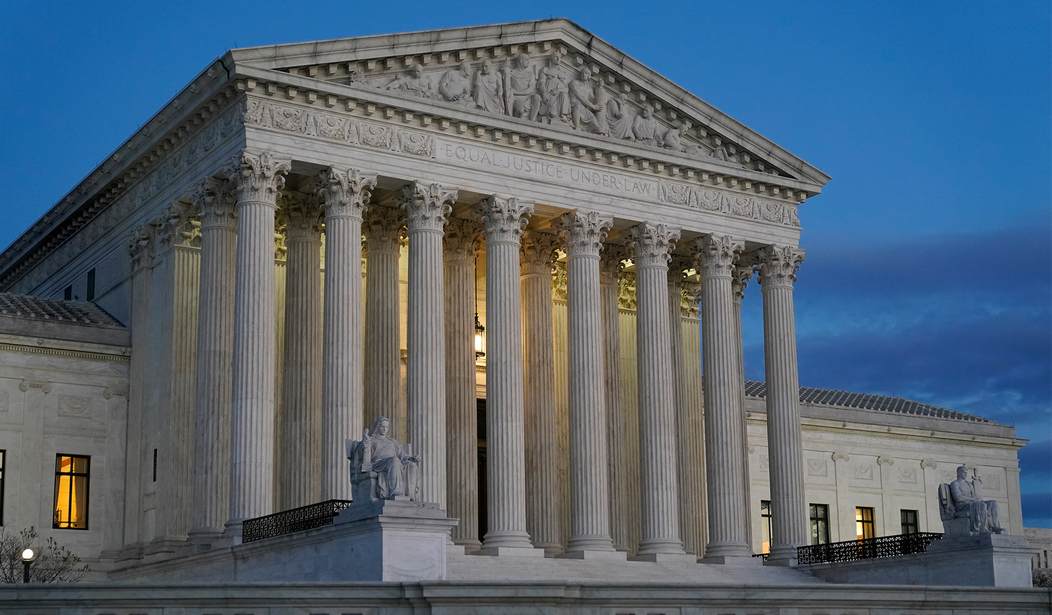
The Supreme Court rejected the Trump administration’s request to lift an injunction on its deployment of National Guard troops in Illinois.
The ruling comes amid a court battle between the White House and the State of Illinois over the use of the National Guard to reduce crime in cities like Chicago.
The court acknowledged an incident that occurred at an Immigration and Customs Enforcement (ICE) facility in Broadview in which federal officers faced “frequent and sometimes violent protests, damaging federal property and threatening the safety of federal officers.”
In response, President Donald Trump “called 300 members of the Illinois National Guard into active federal service to protect federal personnel and property in Illinois, particularly in and around Chicago.”
The question centers on what “regular forces” means in the administration’s argument in favor of the deployments. The court held that the term, as used in federal law, likely refers to the regular forces of the United States military, not to civilian officers such as ICE agents. Since the statute “requires an assessment of the military’s ability to execute the laws, it likely applies only where the military could legally execute the laws.”
The court argued that Trump has not identified any statute or constitutional authority that would allow the military to legally “execute the laws” in Illinois in this particular situation.
🚨 In an apparent 6-3 vote, the Supreme Court has BLOCKED President Trump's deployment of the National Guard to Illinois, denying the government's application for a stay.
— SCOTUS Wire (@scotus_wire) December 23, 2025
Justice Alito dissents joined by Thomas. Gorsuch dissents. Kavanaugh concurs. pic.twitter.com/JLfpjbaNxb
Because Trump relied on inherent constitutional power to “protect federal personnel and property” and the government has long held that these “protective functions” are not the same as “execut[ing] the laws” under the Posse Comitatus Act, the court noted that there is an inconsistency between what the Trump administration claimed at its justification for using the National Guard and what the law actually allows. The White House claimed Trump was using his own constitutional power to “protect federal personnel and property,” but the government has long held that these “protective functions” are not the same as “execut[ing] the laws.”
“If that is correct, it is hard to see how performing those functions could constitute ‘execut[ing]’ the laws’ under” federal statute. This means the government “has not carried its burden to show that §12406(3) permits the President to federalize the Guard in the exercise of inherent authority to protect federal personnel and property in Illinois,” which is why the court rejected the administration’s request.
Justices Samuel Alito, Clarence Thomas, and Neil Gorsuch dissented. They argued that the court’s new reading of the law “adds new language to the text Congress enacted” and wrongly limits the president’s ability to use the National Guard in this manner.
The dissenters cautioned that the president’s authority “should not be thwarted” when “the protection of federal officers from potentially lethal attacks” is at stake.
Gorsuch indicated he “would decide this application narrowly” and shy away from sweeping rulings about the president’s power to use the National Guard. He cautioned that this case raises “weighty questions” about “the relationship between the Guard, the regular military, and domestic law enforcement” that the court should handle carefully going forward.
The case stems from Trump’s aggressive approach to immigration enforcement. Amid anti-ICE protests occurring all over the country, the White House has stepped up its efforts to combat threats to federal agents.
The administration argues that these moves are necessary to protect federal agents and allow them to apprehend and deport dangerous illegal immigrants. But critics contend that these moves are unconstitutional overkill.
Editor’s Note: Do you enjoy Townhall’s conservative reporting that takes on the radical left and woke media? Support our work so that we can continue to bring you the truth.
Join Townhall VIP and use promo code MERRY74 to get 74% off your membership.











Join the conversation as a VIP Member