





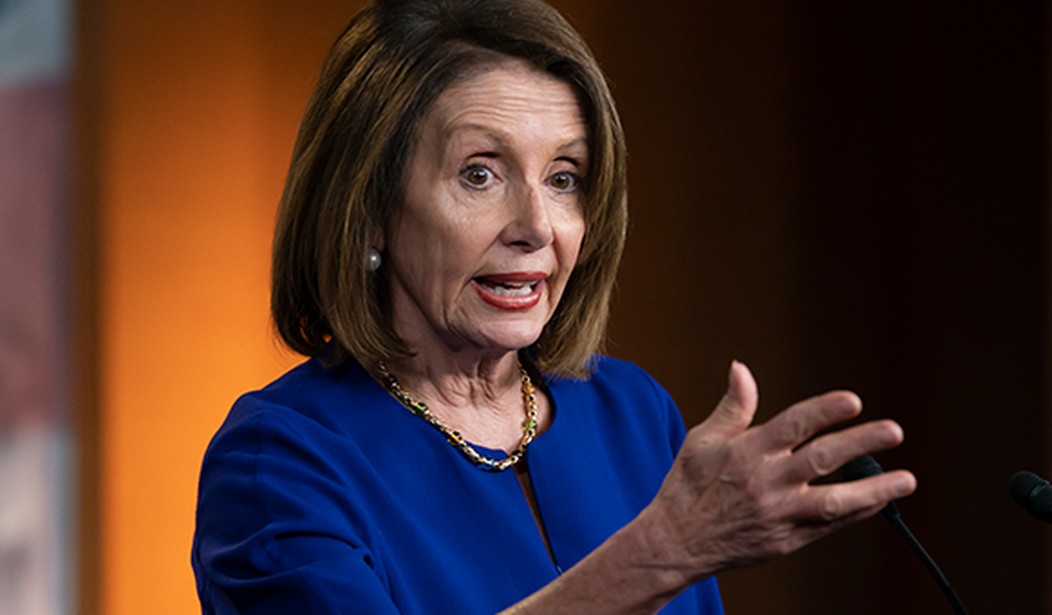
The vocal leftist Democrats, that plague social media with talks of social justice and the failure of capitalism due to the existence of the rich, are the loud minority compared to the, “more moderate, more diverse and less educated group of Democrats who typically don’t post political content online,” according to a recent report.
The New York Times shared data from the Hidden Tribes of America, a year-long project created by More in Common, an “international initiative” set to, “build communities and societies that are stronger, more united and more resilient to the increasing threats of polarization and social division.”
More in Common launched the project in 2018 to identify areas of political polarization and to understand how these forces came to be, as well as, “galvanize efforts to address them.” They collected surveys from 8,000 Americans and divided the participants up into political “tribes” based on their answers.
New York Times suggests that the silent majority of Democrats, “has the numbers to decide the Democratic presidential nomination in favor of a relatively moderate establishment favorite, as it has often done in the past.”
According to the data, Democratic Americans who don’t post content on social media related to politics, “are more likely to identify themselves as moderates or conservatives,” and see “political correctness” as an issue.
But who are the people who give a voice to leftist ideology online? The Times said that, “Democrats who post political content on social media are more likely to…have a college degree,” say they went to a protest and, “donated to a political organization in the last year.” They’re more likely to be white as well, while 40 percent of Democratic-leaning voters who say they’re not liberal are people of color.
“In reality, the Democratic electorate is both ideologically and demographically diverse,” The Times wrote. “Over all, around half of Democratic-leaning voters consider themselves ‘moderate’ or ‘conservative.’”
Those non-liberals hold a lot of power in the election polls. In the article, the Times suggests that this large group of voters are needed for Democratic candidates to win elections, but are hard to find and underrepresented.
“The rest of the party is easy to miss,” the Times wrote. “Not only is it less active on social media, but it is also under-represented in the well-educated, urban enclaves where journalists roam. It is under-represented in the Northern blue states and districts where most Democratic politicians win elections.”

Join the Conversation
VIP members get the ability to comment on articles.