





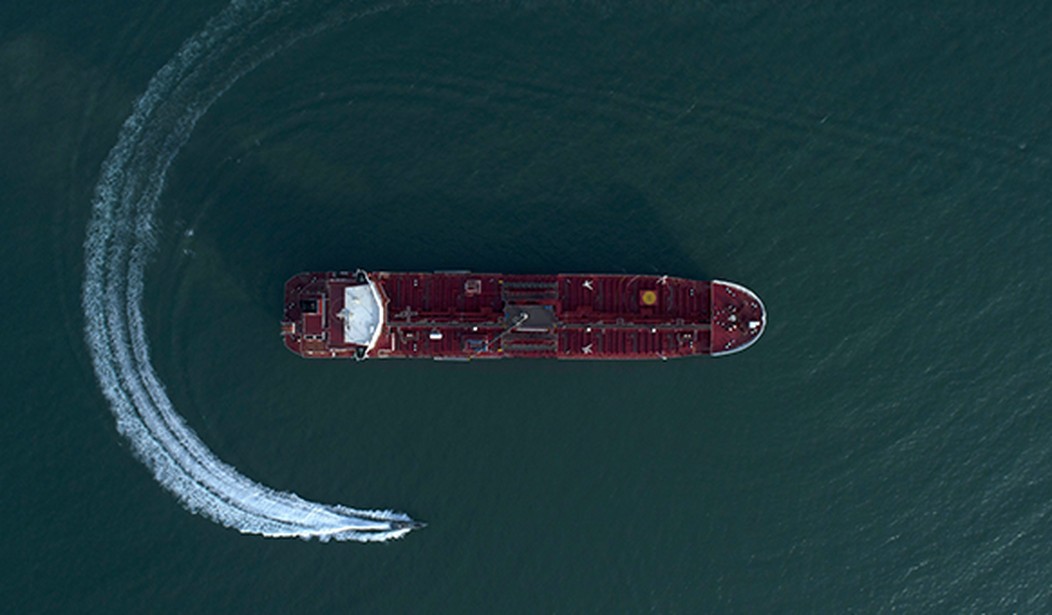
Human ingenuity, individual self-interest, and the pursuit of profit are on track to solve the Strait of Hormuz crisis long before any government does.
While the United States, Israel, and Iran have spent months locked in a war that diplomacy has utterly failed to end, a ceasefire, signed and broken within 20 days, the Gulf states have not waited around for someone else to fix their problems.
Right now, Gulf states are expediting plans to build around the Strait of Hormuz, infrastructure that, by 2027, could see almost half of all pre-war Gulf oil exports bypassing the critical waterway entirely, with that share only climbing as time goes on. This is not just good news for future dealings with an Iranian terror state that will no longer be able to wield the Strait as leverage. It is a testament to the power of the free market.
The world is not waiting to find out who controls Hormuz. It is building around it.
— Jack Prandelli (@jackprandelli) July 14, 2026
Goldman Sachs tracked 7 pipeline and export projects now under construction or planned across the Gulf.
1. By end of 2027, over 45% of pre-war Gulf exports could bypass Hormuz entirely.
2. By… pic.twitter.com/kEeBYzdCqF
According to Goldman Sachs, pipeline and port projects already underway in several Gulf countries could see more than 45 percent of pre-war oil exports bypass the Hormuz entirely by the end of 2027, with that figure climbing past 60 percent by 2028.
None of this is happening because a treaty was signed or a peacekeeping force was deployed. It's happening because oil producers, state-owned or otherwise, had every financial incentive imaginable to stop depending on a single chokepoint that one hostile regime could hold hostage. And if these companies were purely private, driven by shareholders rather than state bureaucracies, there's a strong case the problem would have been solved even faster, free of the political caution and diplomatic hand-wringing that comes with a government-owned industry.
Diplomats will keep meeting. The ceasefires will keep collapsing. And somewhere in the desert, a pipeline nearly half-finished will keep being built anyway because someone stood to make money by finishing it. That, in the end, is the whole case for the free market in one image. A profit motive has already started drawing the map of a world that no longer needs Iran's permission to move its oil. The Strait of Hormuz will still exist in 2028. It just won't matter nearly as much, and markets, not treaties, will be the reason why.
Editor's Note: For decades, former presidents have been all talk and no action. Now, Donald Trump is eliminating the threat from Iran once and for all.
Help us report the truth about the Trump administration's decisive actions to keep Americans safe and bring peace to the world. Join Townhall VIP and use promo code FIGHT to get 60% off your VIP membership.


Join the Conversation
VIP members get the ability to comment on articles.