





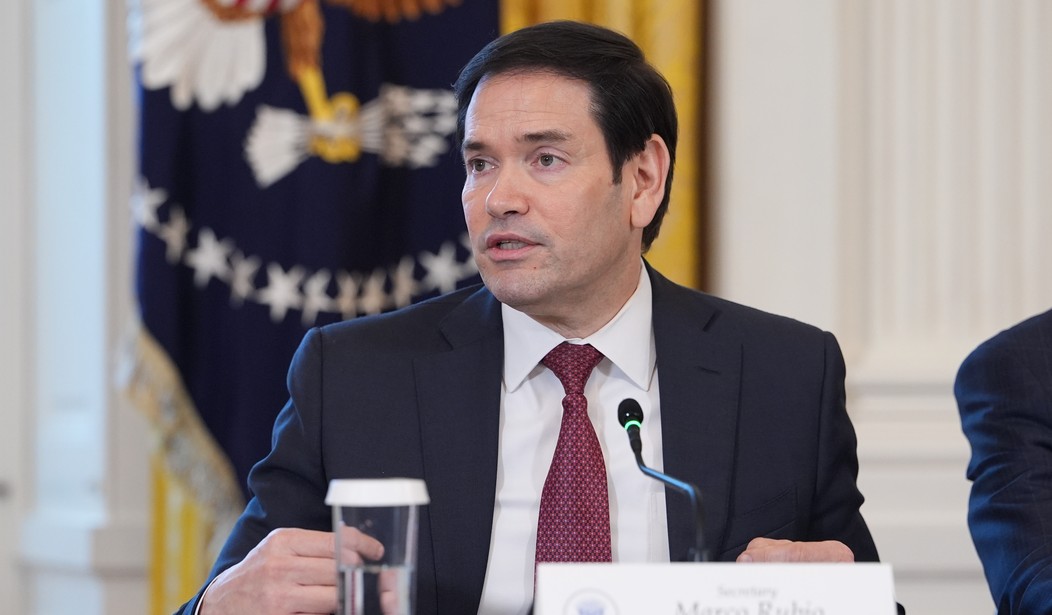
Secretary of State Marco Rubio revealed that one of the main reasons he has long supported NATO is because the alliance grants the United States critical basing rights across Europe. He explained that those bases allow the U.S. to project military force far more effectively during conflicts and emergency situations, particularly in regions such as the Middle East and Africa.
However, Rubio argued that if some European “allies” are determined to block the United States from exercising those basing rights, then the purpose of the alliance itself has come into question. He said NATO members should not be able to selectively decide when they want to act as allies, pointing to Spain’s actions during Operation Epic Fury as an example of a problem he believes must soon be addressed.
US Secretary of State Marco Rubio stated that one of the reasons he supports NATO is the ability of the United States to use military bases in Europe for its own national interests. When countries like Spain deny them this opportunity, “then what’s the purpose of the alliance?” pic.twitter.com/ZDHo6ibhEt
— Visegrád 24 (@visegrad24) May 14, 2026
🚨 MARCO RUBIO ERUPTS ON SPAIN
— Eric Daugherty (@EricLDaugh) May 14, 2026
"Spain has been ATROCIOUS. It's just HORRIFYING!"
They BANNED the US from using their territory to stop the Iranian nuclear threat — despite being a "NATO ally"
"When you have NATO partners denying you the use of those bases, when the primary… pic.twitter.com/tv4g9yO5Jm
“The problem with NATO, and I’ve been a supporter of NATO throughout my career in the Senate, and one of the reasons why I supported NATO was because it gave us basing rights," the Secretary of state said. "It allowed us to have bases in Europe that we could use in a contingency, like something in the Middle East, where you could have planes flying from some country in Europe and actually protecting our national interests in the Middle East, as an example, or in Africa."
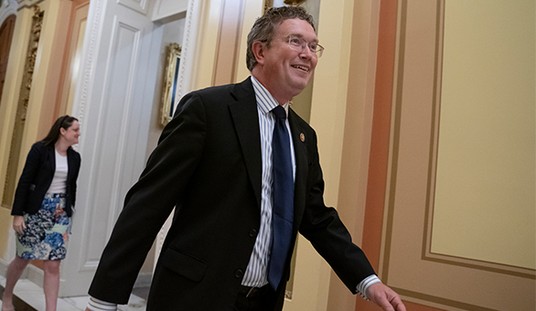
"And so, when you have NATO partners denying you the use of those bases, when the primary reason why NATO is good for America is now being denied to us by Spain, as an example, then what’s the purpose of the alliance?" Rubio continued. "It starts becoming their allies when they want to be. And look, to be fair, there are countries in NATO that were very helpful to us."
"I'm just singling one out, Portugal. They said yes before we even told them what the question was. Poland. So there are countries in Romania, Bulgaria," he added. "Others, like Spain, have been atrocious, just horrifying."
"So I do think there's some very legitimate questions to ask about NATO, and that is, what is the purpose of being an alliance whose benefit to us is these basing rights, if in a time of conflict, like the one we've had with Iran, they can deny us the use of those bases? So why are we there for? Only to protect them, but not to further our national interests? This is a very legitimate question that we need to address."
This comes as the Trump administration has sharply criticized America’s European allies for what it views as a minimal and ineffective response in assisting the United States during its conflict with Iran, leaving Washington to shoulder most of the burden in efforts to reopen the Strait of Hormuz. That dynamic only recently began to shift after the Royal Navy deployed a single destroyer this week to support a “freedom of navigation” mission aimed at restoring access through the strait.
For much of the conflict, however, Europe’s response was viewed by administration officials as weak and indecisive, with the European Union appearing more willing to let a hostile regime like Iran influence its energy flows while focusing primarily on postwar peacekeeping efforts rather than direct support during the crisis itself.
The tensions come just weeks after NATO moved to restructure parts of the alliance’s command framework in ways that could undercut U.S. leadership during future emergencies by giving European powers greater operational control. Some have warned that sidelining the United States in key moments could leave the alliance vulnerable to Europe’s decision-making.
Editor’s Note: Thanks to President Trump and his administration’s bold leadership, we are respected on the world stage, and our enemies are being put on notice.
Help us continue to report on the administration’s peace through strength foreign policy and its successes. Join Townhall VIP and use promo code FIGHT to receive 60% off your membership.









Join the conversation as a VIP Member