





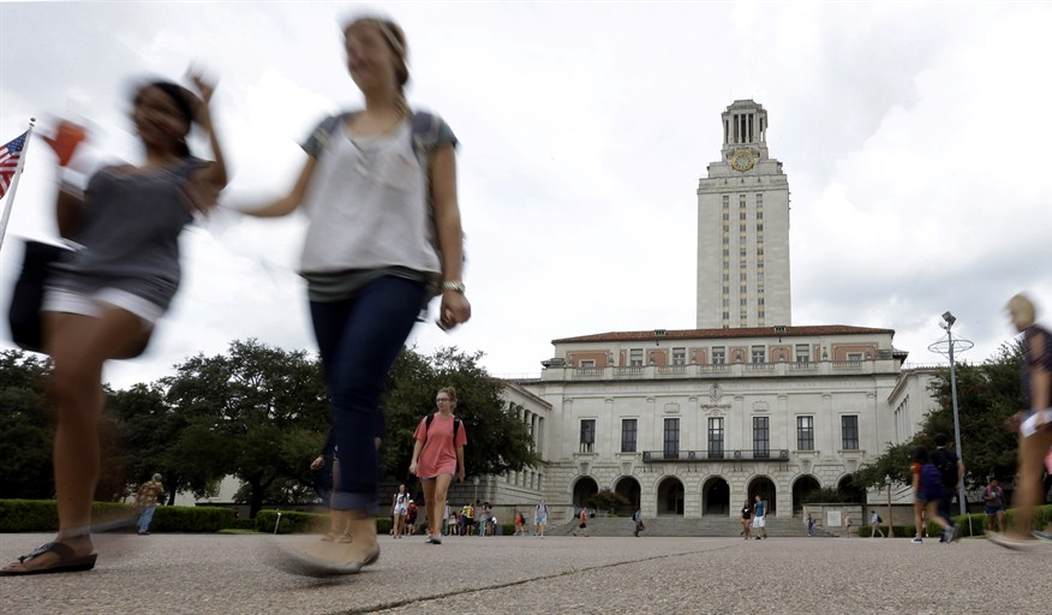
A 2018 study by the Annette Strauss Institute for Civic Life found that the state of Texas ranks among the lowest in the nation for civic participation when it comes to voter turnout. The study, conducted at the University of Texas at Austin, found that low voter registration was also a contributing factor to the problem.
“Based on figures from the 2016 general election, the state ranked 44th in voter registration and 47th in voter turnout among the 50 states and the District of Columbia. This ranking is a slight improvement from the 2013 Texas Civic Health Index, where Texas was ranked last (51st) in voter turnout during a midterm election year,” the article stated.
The study found that the causes for the low civic participation include low political participation, dislike for the candidates and the issues presented, a lack of political discussion among friends and family, and the fact that donating and volunteering is not a priority for many Texans.
Susan Nold, director of the Strauss Institute, said civic health is one way Texans can track and measure their connectedness and the degree to which they take care of each other.
“Civic health is sort of a way of tracking or measuring, kind of quantifying our connections to each other and the degree to which we as Texans take actions for each other,” she stated.
According to the study, only 68 percent of Texans are registered to vote, ranking the state at 44th out of the 50 states and the District of Columbia. Sixty-eight percent of citizens living in the District of Columbia are registered voters, making it the national leader.
The study also cites age as a major contributing factor to voters and non-voters. According to the data, for the 2016 general election, only 48% of Texans aged 18 to 24 were registered to vote, a contrast with 78% of Texans aged 65 and up who were registered.
“The voter registration level of older Texans is nearly identical to their U.S. counterparts. The national average for state voter registration among those ages 18 to 24 is 55%,” the study states.
“Texas ranks 7 percentage points below the national average for the youngest age group. This problem is amplified by the fact that Texas’ electorate is younger than the national average,” it added.
According to the study, only 32 percent of Texans ages 18 to 24 voted in the 2016 election. This puts the state at 11 percentage points less than the national average of 43 percent for the same age group. Texans aged 65 and up voted at a higher rate but still ranked below the national average in every age group.
Texans who chose not to vote in the 2016 election gave various reasons for not participating, 28 percent of which stating that they did not like the candidate or the issues being discussed during the campaign. Twenty percent of non-voters cited being too busy or a conflict with work or school schedule as their reason to opt out of voting.
In addition, the study states discussing politics with family and friends is a sign of good civic health.
“Texas, however, ranks 50th in the nation, with only 23% of Texans saying that they frequently discuss politics. This is less than half of the percentage of respondents from the national leader – the District of Columbia – who talk about politics with their family and friends at a rate of 48%.”
Nold voiced concern that Texans need to welcome new citizens into the process of voting and be active in familiarizing them with their civic duty.
“There’s a lot more we need to be doing. We’re a growing state and so as we bring new Texans in, as people move here from other countries or other states, we need to make sure our institutions and organizations and our citizens are bringing them into the fold, getting them connected to their voter registration,” she said.
“While efforts to improve the symptoms of our ailing civic health can alleviate our engagement problems, the findings of this report suggest we will not see lasting and sustainable change until we address the root cause,” the study explained.
“Finding solutions to these challenges will not be easy – they require our leaders to be forward-thinking and our citizens to be active and engaged.”


Join the Conversation
VIP members get the ability to comment on articles.