





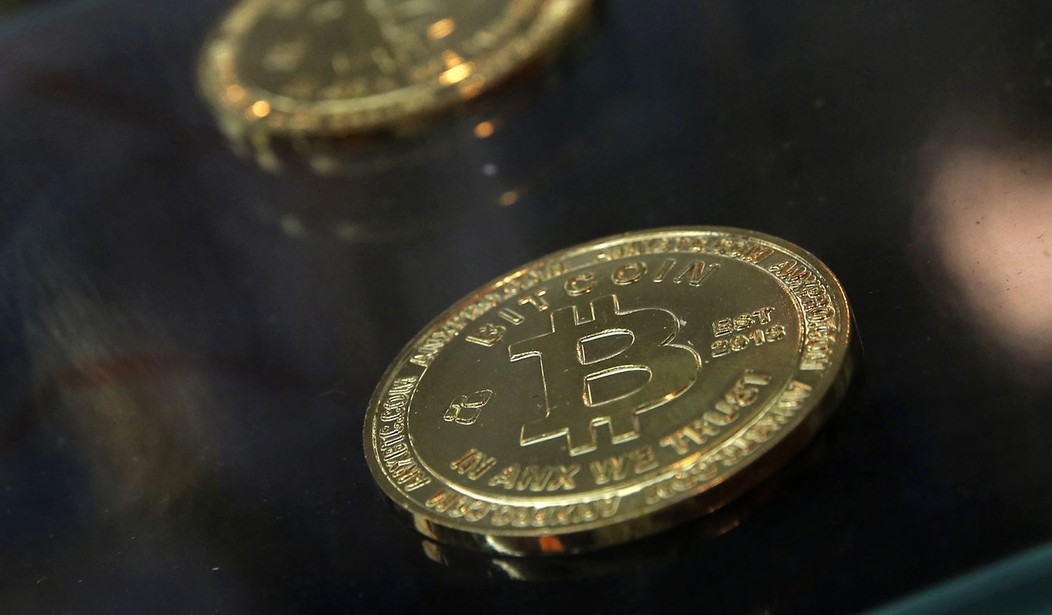
One of the more nefarious ways the Obama and Biden administrations targeted unfavored businesses and conservatives was through debanking — putting pressure on financial firms to either refuse to do business with or stop doing business with perfectly legal things like gun shops and bitcoin to nonprofit organizations. Back in March, President Trump put Bank of America on notice for its discriminatory practices, which included debanking Indigenous Advance Ministries, a nonprofit that helped "Ugandan ministries to provide basic necessities for orphaned and vulnerable children, help Christians raise their families, and provide vital vocational skills training and mentorship to college students and young adults."
Indigenous Advance Ministries set up accounts with Bank of America in 2015, and for nearly a decade, had no problem. In 2023, they received letters from Bank of America stating that, "upon review of your account(s), we have determined you’re operating a business type we have chosen not to service at Bank of America." A subsequent letter said the organization "no longer aligns with the bank’s risk tolerance."
In August, President Trump issued an executive order banning the practice of debanking. But Congress must act to codify this executive order, because the practice will return under the next Democratic administration. And now we're learning just how bad things were under President Biden.
You thought this was bad? Now a new report shows just how far Biden regulators went to debank people they didn't like including Conservatives, the crypto industry, 2a groups, and more.
— Libs of TikTok (@libsoftiktok) December 10, 2025
This isn’t talked about enough. People should go to prison for this. https://t.co/7f4qHdkgS9 pic.twitter.com/wvPBECl8Mz
According to Fox Business host Maria Bartiromo, the Biden Administration had debanked digital assets using "vague rules, excessive discretion, informal guidance, and aggressive enforcement" to pressure banks into "distancing themselves from digital asset clients." At least 30 individuals or entities are losing access to financial services.
Bartiromo was joined by the Chairman of the House Financial Services Committee, French Hill (R-AR), to discuss the issue.
"This report identifies all the ways led by Gary Gensler, who was chairman of the SEC, the bank supervisors led by Michael Barr, then Vice Chairman of the Fed, and others to systematically debank legal businesses in the United States engaged in the digital asset innovative space," Hill said.
Hill is the lawmaker who introduced the Digital Asset Market Clarity (CLARITY) Act, which would "establish a regulatory framework for digital assets in the United States."
Bartiromo asked Hill why the Biden administration would target digital assets. Hill replied, "I think they [the Biden administration] took the same approach that the Obama administration did, that when they in their privileged point of view believes that...this innovation is a bad thing, they wanted to see it blocked from access to the financial system."
"We call it Choke Point 2.0," Hill added. "Choke Point 1.0, led by the FDIC principally during the Obama administration, encouraged banks through leverage, intimidation, guidance, verbal communication, email listings, to ban them from banking businesses that the Obama administration didn't favor, like gun dealers, for example."
"This is wrong when the federal government uses its authority to tell a private entity they can or cannot do business with someone just because of their belief system, that...doing business with a gun dealer is bad, doing business with an energy producer is bad because of the climate."
In the lengthy report, the House Committee on Financial Services established several key findings. First, the "Biden Administration failed to establish a clear, functional digital asset regulatory regime, which allowed certain federal financial regulators to stifle digital asset projects and curtail activity by firms. The financial regulators exerted informal pressure and issued guidance documents to discourage financial institutions from providing services to digital asset firms."
The second key finding is that the "Biden Administration justified its actions by characterizing the digital asset ecosystem as an industry prone to market volatility and risk. Regulators often highlighted the risks posed by digital assets, specifically violations of anti-money laundering (AML) and countering the financing of terrorism (CFT) standards. However, the Biden Administration frequently undermined its argument by stating that the 'use of virtual assets for money laundering remains far below the scale of fiat currency and more traditional assets by volume and value of transactions.' In other words, the Biden Administration itself recognized that the use of digital assets to launder proceeds is less common than traditional money, and the use of digital assets to finance terrorism is “limited in scale.”
The report also said the Biden administration "took various actions to dissuade financial institutions from providing services to digital asset firms" at a time when "Congress was working to create clear regulatory guidance for digital assets." The report called this move "of particular concern."
Additionally, the 53-page report said the Trump administration is working on a "new path for digital assets by pursuing straightforward, common-sense regulation and ending debanking" and that "Congress is doing its duty to ensure that federal agencies encourage innovation and ensure lawful businesses can thrive in America."
Editor’s Note: Every single day, here at Townhall, we will stand up and FIGHT, FIGHT, FIGHT against the radical left and deliver the conservative reporting our readers deserve.
Help us continue to tell the truth about the Trump administration and its successes. Join Townhall VIP and use promo code FIGHT to get 60% off your membership.


Join the Conversation
VIP members get the ability to comment on articles.