
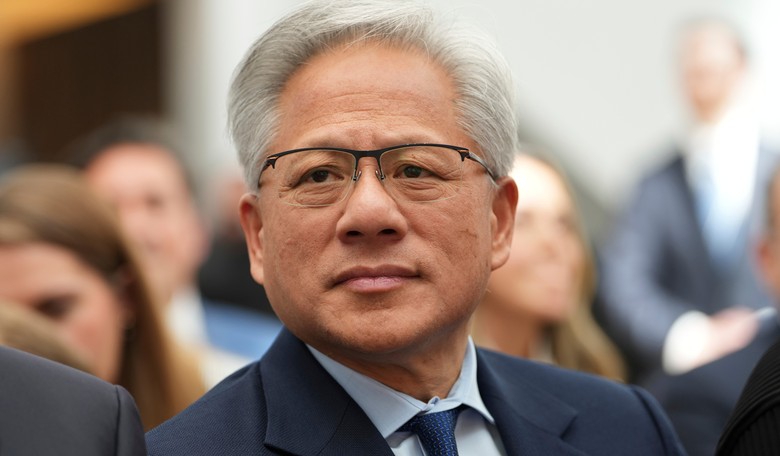
Despite backing from Elon Musk, as well as President Trump saying he wouldn’t mind if Jensen Huang returned to lead Nvidia, the company’s board of directors is allegedly giving the idea a hard pass.
CBS News and other outlets are reporting that, according to a source familiar with the board’s thinking, a phoenix-like rising from the ashes for Huang isn’t in the cards.
A petition to reinstate Huang is approaching 190,000 signatures, including more than 10,000 current and former Nvidia employees and almost 100,000 shareholders (although that is self-reported and thus unverifiable).
After praising Huang’s innovation, the open letter at the top of the petition asks for due process:
“Our understanding is that an outside investigation has been announced but has not yet concluded. We are concerned that Jensen was removed without meaningful due process. We do not have access to the Board’s private deliberations. We have not been shown evidence substantiating the allegation that the woman at the center of this controversy was a spy. Suspicion or association alone is not a sufficient basis for ending Jensen's leadership. The inquiry must establish the facts, not merely justify an outcome already imposed.”
The petition also features three demands:
- For Huang to be reinstated.
- An independent investigation.
- Transparency in the process.
Nvidia has had a wild couple of weeks after news broke alleging that former CEO Huang had multiple affairs — one of which with a woman named Alice Huang (no relation), an alleged Chinese spy and former executive at AI cloud computing company Megaspeed.
Huang stepped down on Thursday, but reports have surfaced that he’s been discussing a return to the company he founded.
But in addition to the board of directors seemingly not wanting him back, as Townhall’s Dmitri Bolt reported on Monday, Treasury Secretary Scott Bessent is not interested in a Huang renaissance – at least not as questions swirl about Nvidia's culpability in subverting trade restrictions.
“Bessent raised the possibility that Nvidia’s leadership tolerated, or even encouraged, sales that circumvented U.S. restrictions on advanced-chip exports to China to boost revenue and profits. He also questioned whether the company knowingly ignored warning signs that intermediaries, many based in Singapore, were shell companies funneling restricted chips to Chinese buyers. He described some buyers’ ties to Chinese interests as ‘obvious.’”