





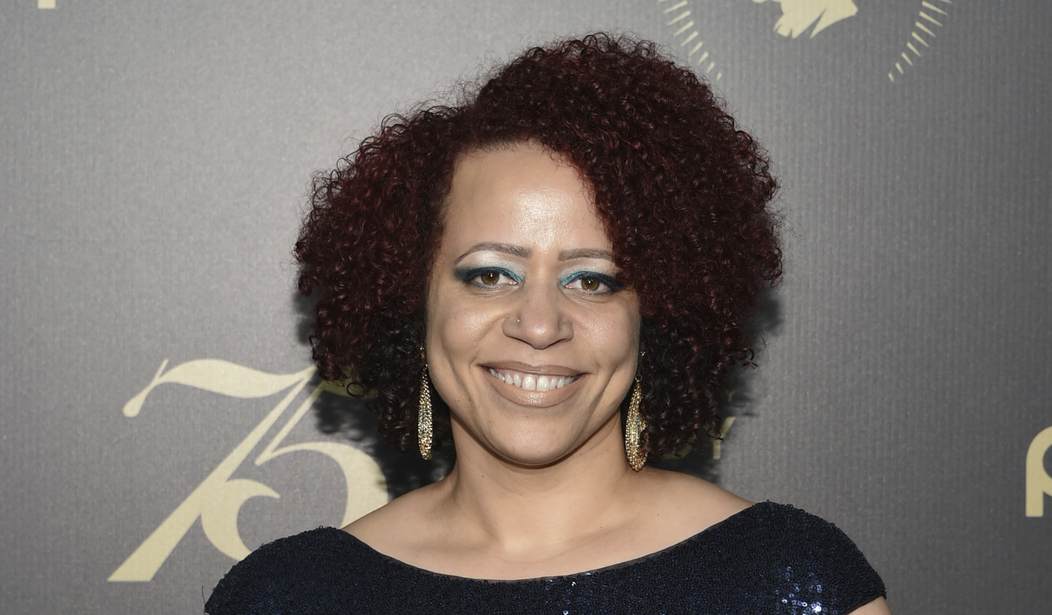
Nikole Hannah-Jones, author of The 1619 Project and a prominent face of diversity, equity, and inclusion, is drawing heavy online criticism after revelations about where she chose to send her daughter to school. Despite having the means to pursue private education or move to a wealthier district, Hannah-Jones enrolled her daughter in a predominantly black, low-income public school, apparently believing that the simple presence of a high-profile, well-connected family could help improve it from within.
Of course, it did not work out that way.
By age 16, Hannah-Jones said her daughter lacked basic academic skills, and she regretted prioritizing other children’s needs over her own daughter’s education. More funding and smaller classes, while helpful in some circumstances, do not magically fix a public-school system insulated from meaningful competition.
Daniel Di Martino, an economist and fellow at the Manhattan Institute, visited the school Hannah-Jones selected for her daughter and explained the deeper problem with America’s public education system: a lack of choice and accountability.
NEW: We visited PS 307, the failing public school that Nikole Hannah-Jones sent her daughter to.
— Manhattan Institute (@ManhattanInst) September 21, 2026
The teachers make an average of over $100,000 a year. The school spends $52,000 per student each year. The student/teacher ratio is 9 to 1.
We went to another school just down the… pic.twitter.com/0OhZzTUUAw
"Behind me is the public school where the founder of the 1619 Project, one of the main advocates of DEI and equity and affirmative action, sent her daughter to prove that it was indeed funding and racism the problem of American public schools and learned the hard way that it was not," Di Martino said.
"Daniel Hill Williams Elementary is over 80 percent Black and Hispanic and less than a quarter of the children are proficient in math or reading by the end of their time there. It sits right next to one of the main public housing projects in New York City. Is this school underfunded? You might say. Well, is $52,000 per student per year underfunded to you?" he asked. "Is a teacher's salary average of over $100,000 a year for nine months of work underfunded? And is a teacher-to-student ratio of 9 to 1 too high?"
"Just half a mile away in Dumbo from Public School 307 is Community Roots Charter, another charter school that is in front of a public housing project as well. But instead of only one quarter of the students being proficient in math and reading, over 80 percent of them are proficient," Di Martino explained. "And the school spends less than half of what PS 307 does, $26,000 rather than $52,000, which is evidence that the problem of American public education is not a funding problem. It's not a staffing problem. It's an incentives problem, something that school choice through competition solves."
Under the current public-school system, schools often face little pressure to improve. Many families are assigned to a school based on their ZIP code unless they can afford private tuition or a move to a better district. When enrollment is largely guaranteed, administrators and teachers have fewer incentives to respond to dissatisfied families. And with union protections often making it difficult to remove persistently ineffective teachers, poor performance can carry remarkably few consequences for the adults running the system.
Visit a charter school, however, and the contrast is striking. These schools frequently operate with less funding, and yet many deliver stronger academic outcomes, greater discipline, and more attentive service to parents. Why? Because of free-market incentives. They must earn their business, their enrollment. If families leave, the school loses students, funding, and eventually its ability to operate, a form of accountability that traditional public schools are largely exempt from.
Poor public education is not primarily a funding problem; it is an incentive problem. Fix the incentives, give parents real choices, and make schools compete for enrollment, and the system has a reason to improve. Keep blaming DEI, class size, or insufficient funding, and taxpayers will keep pouring money into the same broken model while everyone involved feels good about accomplishing nothing.
Editor's Note: Do you enjoy Townhall's conservative reporting that takes on the radical Left and woke media? Support our work so that we can continue to bring you the truth.
Join Townhall VIP and use promo code FIGHT to receive 60% off your membership.



Join the Conversation
VIP members get the ability to comment on articles.