





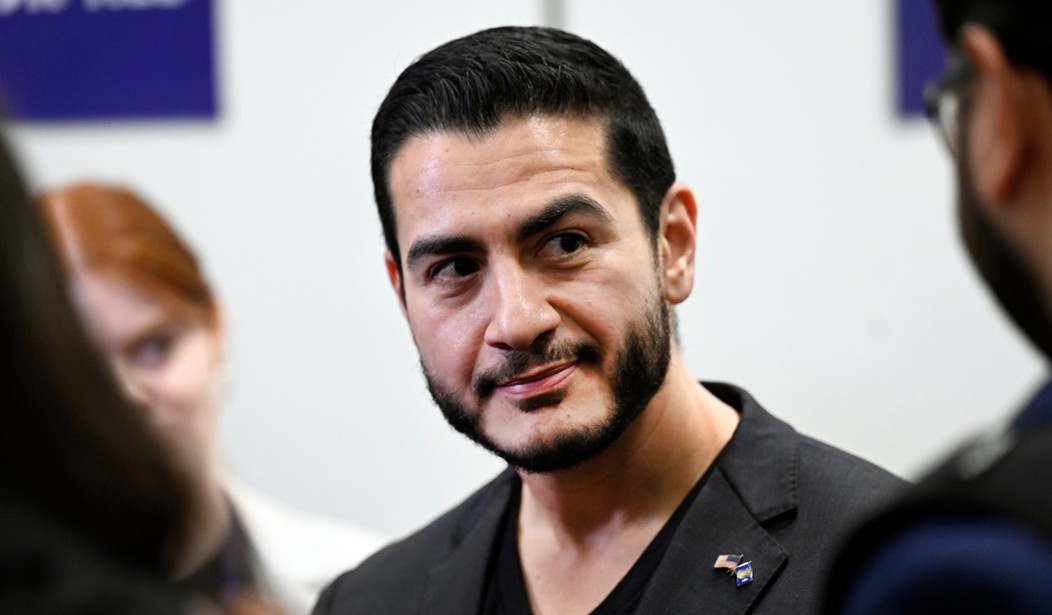
In 2012, approximately 18 months after the Arab Spring uprising, Mohammed Morsi — a senior leader of the Muslim Brotherhood — became the fifth president of Egypt. That same year, Abdul El-Sayed signed on to an Arabic-language statement that called on the Muslim Brotherhood to "purge" both the media and police in Egypt.
Abdul El-Sayed signed on to an Arabic-language statement in 2012 demanding that the Muslim Brotherhood “purge” media and police in Egypt.
— Washington Free Beacon (@FreeBeacon) September 23, 2026
The repressive Islamic group carried out a brutal religious crackdown on the press soon thereafter, @LevineJonathan reports. pic.twitter.com/LMHTzBfGua
The November 2012 statement came just days after the country's Islamist then-president, Mohamad Morsi, granted himself broad new powers in an effort to quell growing unrest. Morsi had five months earlier become Egypt's first elected president after longtime strongman Hosni Mubarak was toppled in the Arab Spring. But Morsi himself was starting to act like a strongman.
"Statement by Morsi Supporters in America Backs His Decisions and Calls on Him to 'Purge the Media and Police,'" blares the headline published on Nov. 25, 2012.
"We, leaders of the Egyptian community, support the revolutionary decisions taken by the president, and we call on him to purge the media and the police as quickly as possible," the letter reads.
"We affirm, as Egyptian Americans, that we strongly reject those voices that are courting America and Europe to take a position against the Egyptian regime," the letter adds.
El-Sayed, who was a student at Columbia at the time, was the 33rd signature on the letter.
What followed was, in fact, a purge of the media and police. The Muslim Brotherhood-controlled Shura Council appointed new editors at state-run newspapers. Columnists critical of the regime reported their work was being dropped. Private papers reportedly ran blank columns in protest.
The number of criminal complaints filed for things like "insulting the president," "insulting Islam," or "spreading false news" skyrocketed. The Egyptian Organization for Human Rights counted hundreds of defamation-style cases in the first months of Morsi's administration.
A half-dozen journalists were hauled into court on those charges including "Al-Dostour" editor Islam Afifi and TV host Tawfik Okasha.
Supporters of the Muslim Brotherhood surrounded TV stations, chanted threats, and targeted journalists. There were dozens of recorded assaults on reporters between August 2012 and July 2013, when Morsi was removed from office by the military. Morsi died in prison in 2019.
In 2011, El-Sayed wrote another piece in the Huffington Post arguing that people should not fear a Muslim Brotherhood-controlled Egypt.
This is especially important given El-Sayed's campaign to join the Senate. His backing of the Muslim Brotherhood, his allegiance to Sharia law, and his refusal to distance himself from the radical statements of Hasan Piker — who wants Chinese-style communism to imprison Democrats and others — raises serious concerns about how journalists and other would fare under a government run by El-Sayed and his ideological comrades.
Editor’s Note: The 2026 Midterms will determine the fate of President Trump’s America First agenda. Republicans must maintain control of both chambers of Congress.
Help Townhall continue to report on the Democrats’ radicalism and inform voters as our nation faces a crossroads. Join Townhall VIP and use promo code FIGHT to receive 60% off your membership.

Join the Conversation
VIP members get the ability to comment on articles.