





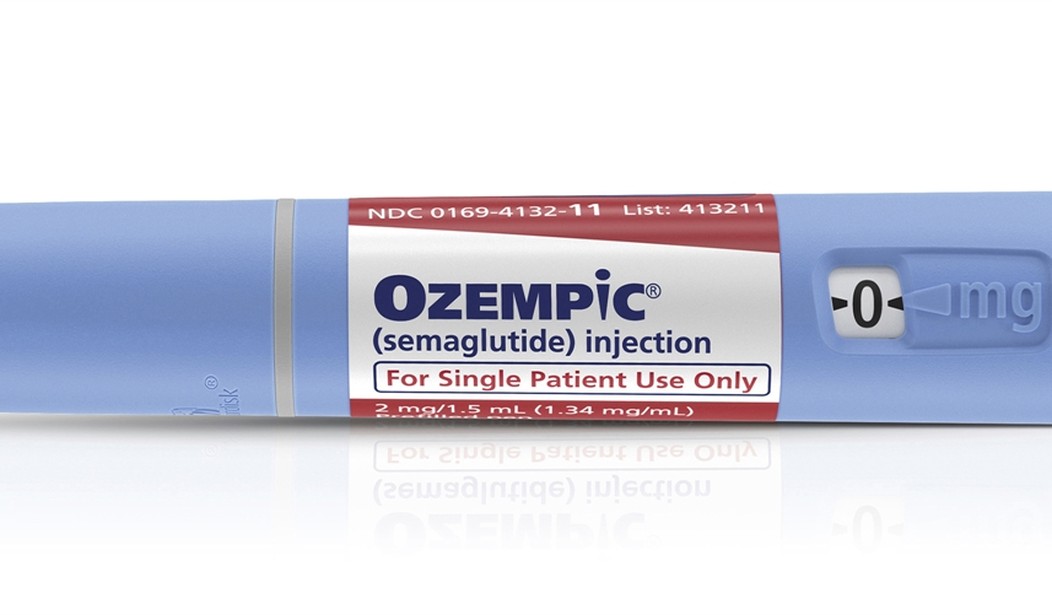
Dozens of lawsuits have been filed against the companies behind popular GLP-1 weight-loss medications like Ozempic, Wegovy, and Zepbound. Patients are claiming the use of those drugs led to a rare type of vision loss.
Dozens of lawsuits have been filed against the companies behind popular GLP-1 drugs Ozempic, Wegovy and Zepbound, claiming the drugs led to a rare type of vision loss.
— ABC News (@ABC) September 21, 2026
ABC News' Elizabeth Schulze reports. https://t.co/dOn8F5HFjQ pic.twitter.com/0adv8o621u
"In one complaint, a 53-year-old Pennsylvania woman said she was prescribed Ozempic to help treat her Type 2 Diabetes. She alleges that within six months, she developed vision loss in her right eye and as a result, struggles to perform daily tasks like driving and reading," Schulze said. "Novo Nordisk, which is the maker of Ozempic and Wegovy, said they take all reports of adverse events very seriously and pushed back on the claims, saying the personal injury lawsuits filed in the U.S. are without merit. Eli Lilly, which makes Zepbound, said patient safety is the top priority, and it actively monitors, evaluates, and reports safety information."
"Now the medical evidence on this is mixed," Schulze continued, "one recent analysis found there may be a small increased risk for people with Type 2 diabetes to develop a vision problem if they're taking GLP-1s, but it didn't prove cause and effect. And doctors ultimately say more research here is needed. There can be much bigger risks, including vision loss or other health problems, if diabetes and obesity go untreated."
The lawsuits involve a developed condition called NAION, where a rare and sudden vision loss occurs due to reduced blood flow to the optic nerve. The claims stems from a 2024 JAMA Ophthalmology report showing a elevated NAION risk with GLP-1 drugs. https://t.co/hyxw7g7hNY
— Robbie Mouton (@mcgmouton57) September 21, 2026
NAION is nonarteritic anterior ischemic optic neuropathy, which leads to sudden and often permanent vision loss
Patients are suing GLP-1 drugmakers over the risk of sudden vision loss. The little-discussed potential risk of popular diabetes and weight-loss drugs is on warning labels outside of the U.S. https://t.co/rMwzeNU6x6
— The Wall Street Journal (@WSJ) September 22, 2026
According to The Wall Street Journal, the FDA is currently investigating a link between GLP-1s and NAION after identifying a possible connection between the drugs and the condition in late 2024. As of right now, there is no warning about the risk on the drugs' labels, although such warnings appear outside the U.S.
Researchers also noted that NAION is difficult to diagnose and classify, and that many patients — like the woman mentioned in the ABCE report — have other health issues that raise their risk of the disease, including diabetes, heart disease, sleep apnea, obesity, and high blood pressure.
Editor's Note: Do you enjoy Townhall's conservative reporting exposing the radical left and woke media? Support our work so we can keep bringing you the truth.
Join Townhall VIP and use promo code FIGHT to receive 60% off your membership.



Join the Conversation
VIP members get the ability to comment on articles.