


Editor’s Note: This column was authored by Young Voices senior writer Alex Rosado.
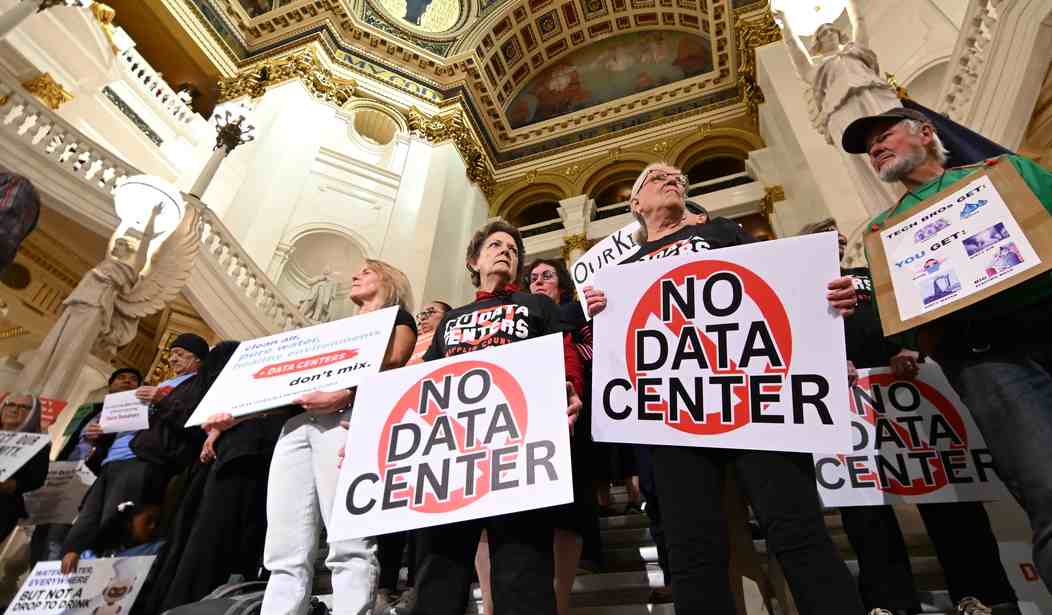
Data centers bore the brunt of voter wrath this midterm cycle. The next battle is forging a sustainable, favorable path for data center development.
Earlier this month, 76 percent of voters opposed developing data center infrastructure in their neighborhoods, with 56 percent considering it a “major” or “crucial” factor in their vote. Voters also elected several anti-data center candidates, including the incoming governors of Texas, Georgia, and Ohio, who pledged to enact moratoriums on data center construction. To further blunt progress, Americans approved 40 of 41 ballot measures to restrict data center construction.
The verdicts put the pro-AI movement in a precarious position. While America needs backyard technological prowess, engineers and manufacturers must acknowledge that their current strategy is a hard sell to Americans. Silicon Valley needs more local input and collaboration, corporate responsibility, and energy conservation systems. And the signs were there well before election day.
For every election here on out, data centers depend on the tech world getting creative with dealmaking and execution.
If leading industry developers want to be constructive partners, they must adopt explicit community commitments. Microsoft promised to cover its electricity costs, use less water and replenish more than it consumes, and boost local employment. CoreWeave signed a legally binding 20-year agreement with Lancaster, Pennsylvania, to cap its water intake and use closed-loop cooling systems to protect local aquifers. Similar actions can challenge the perception of an oppressive tech oligarchy, but they must be advertised and repeated nationwide.
Data center construction must also quell outstanding concerns. Environmental justice groups are arguing for air-quality protections. Utility regulators want assurance for large-load power sharing to protect consumer electricity bills. A substantial offer must include regulator-approved contracts and resource safeguards, such as disclosing projected annual and peak-day water demand and drought contingencies, to build community trust in the project.
Investment is also gaining traction, as Google is now paying Cedar Rapids, Iowa, $400,000 annually for 15 years to compensate for noise and land use. Developer QTS followed by pledging $18 million over 18 years to compensate for noise, land use, and infrastructure use. With almost half of Americans saying the cost of living is top of mind, shifting the financial burden to entities that can afford it is a good start to easing financial headaches. Investment can also pacify electricity, water, and land-use anxieties among holdout residents and regulators, who believe utility bills are too high.
This approach extends to lobbying for and passing affordability legislation, such as the federal Ratepayer Protection Act. The bill would require utilities to secure upfront financial contributions before shovels hit the ground. Rep. Tim Burchett (TN-2) also introduced the Community Control of Data Centers Act after the midterms, which would prevent federal funds from being used on data centers not approved by state and local laws. Taken together, these measures give localities more flexibility and oversight over project terms.
These facilities need civilian guidance. Consumer representatives, including a residential advisory board, can weigh in on proposed ratepayer protections and bring alternative policy perspectives. Rock County in Wisconsin, Linn County in Iowa, and Davie County in North Carolina, to name a few, already have formal advisory panels, and more are popping up as technology advances.
Finally, transparency matters. Independent commissions should review utility-cost allocations and publish funding forecasts. Communities also need information hubs that include site maps, resource estimates, phased construction schedules, hearing dates, and a searchable question-and-answer log.
Pre-midterms, at least “75 projects worth approximately $130 billion” were blocked or delayed due to on-the-ground opposition. But if the midterms “put cities in the spotlight,” and tech leaders are adamant about continuing development, data centers must represent the expertise and effort of small and large actors alike.
These facilities are a political test for whether tech companies can be accountable infrastructure partners; election results will judge their operations. Going forward, these companies must first strike a bargain, then win local support, to build the machinery and win over objectors.
Alex Rosado is an independent writer. The views expressed in this article are solely those of the author and do not represent those of any workplace or affiliate organization.
Editor's Note: Do you enjoy Townhall's conservative reporting exposing the radical left and woke media? Support our work so we can keep bringing you the truth.
Join Townhall VIP and use promo code FIGHT to receive 60% off your membership.


Join the Conversation
VIP members get the ability to comment on articles.