





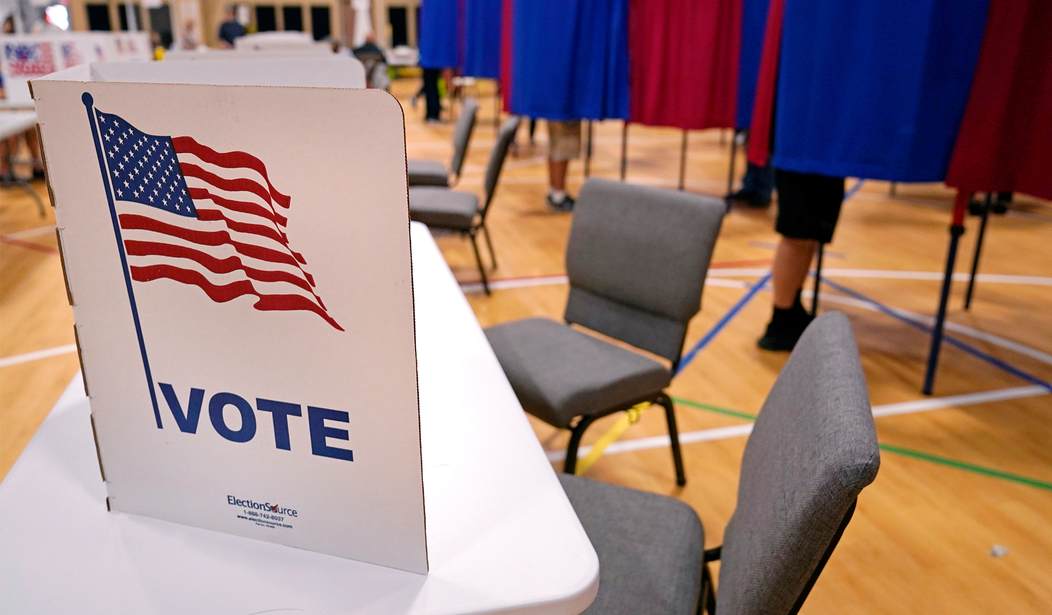
American elections were once comparatively modest affairs. They were conducted in the autumn every fourth year, beginning about Labor Day until Election Day, when everyone voted.
We went to a designated polling place and cast our confidential votes under the watchful eyes of fellow citizen volunteers. The ballots were transported under strict chain-of-custody procedures to be counted by election officials.
Accommodations were made for those physically unable to vote but most Americans didn’t regard voting as especially onerous. We were grateful for the privilege and willing to overlook minor inconveniences. There were racial and gender barriers to voting for too long, but those are now thankfully corrected.
Elections are the process, in our democratic republic, by which we choose our governing officials. But they also play an important role in ensuring the unity of citizens by providing a process for fairly reconciling our differences.
Americans have always had strong, often contrasting opinions about how they should be governed. It once took a catastrophic war to resolve our differences but normally elections serve well to determine our way forward. Ideally, all sides get their say, nominate the best candidates they can find and then we vote. The results are conclusive and binding until the next election.
Customs change, rules evolve and elections today look very different than a few decades ago. Yesterday is never going to come back, but it’s worth remembering that not all changes represent progress. Our elections could use a thorough overhaul.
Campaigns simply last too long. The presidential campaign is now continuous, with candidates beginning to compete by the previous Inauguration Day.
As one result, campaigns have become horrendously expensive. They are endurance contests in which the most successful fundraiser is favored. Insiders can’t get enough of the “horse race” but ordinary citizens become bored. Considerations of ongoing policy decisions are filtered through their possible effect on the campaigns and the ever-present polls.
Perhaps this extended attention could be justified if the result was more carefully examined and higher quality candidates. But recent elections have featured generally weak choices. This year‘s candidates are widely considered to be laughingstocks, the least qualified candidates in memory. Each is fortunate to have the other for their opponent.
More importantly, Americans have lost faith in the integrity of our election processes. Fully one-third of all Americans believe Biden was not legitimately elected in 2020. In another poll, 81 percent believe democracy to be threatened.
“Not my President” buttons sprouted after Trump’s surprise victory in 2016 and left-wing pundits freely disputed the legitimacy of his presidency. Four years later, rule changes attributed to the Covid lockdowns resulted in looser security procedures and widespread suspicion of fraud. Almost half of Americans and a clear majority of Republicans believe fraud may have been extensive enough to alter the result of the elections.
This level of distrust is toxic to a government “of the people”. Whether or not you believe fraud is widespread, “innovations” like vote counting long before election day, poorly monitored drop boxes, ballot harvesting, slipshod or absent identification procedures, citizenship verification by affirmation only and voter rolls puffed up by automatic registration at and welfare offices leave many non-partisan observers skeptical. Election officials deny any problems and brand those with honest doubts as “deniers”.
The gaping hole in our defense against slipshod practices is bulk-mail voting. There is no possible way we can mail out millions of unsolicited ballots to poorly maintained voter rolls, addressed to people who presumably once lived there and then count all the ballots that are mailed back and pretend we have a reasonably secure system.
Signature matching, far from perfect, is our main defense against cheating. Yet no signature can possibly assure the vote inside was made without undue influence by a mentally competent person for whom the ballot was intended.
Reliable data is unavailable for logistical reasons, but in a recent survey about one-fifth of bulk-mail voters admitted to some illegal behavior in their handling of the mailed ballots – and those were the ones willing to admit it.
Your precious vote only counts if it is not canceled by fraud. We need Easy to Vote, Hard to Cheat.


Join the Conversation
VIP members get the ability to comment on articles.