





Gotcha! Gotcha! Gotcha!
That's all you hear in the echo chamber surrounding Harvey Weinstein. The charges against him keep piling up. He's the poster boy of hideous behavior in the patriarchal society of Hollywood. But there are many others, not all celebrities, who have been caught in the new consciousness sweeping across the range of ugly behavior of certain men against women.
It was a long time coming for Weinstein, Bill Cosby, Charlie Rose, Matt Lauer and the others of the Bad Boys Club, and some of the wrongs have been righted since their out-of-control testosterone threatened women. But it's important not to let the villains set the agenda in the endless war of the sexes, or "genders" for the squeamish. It's no time to reprise the "all men are rapists" mantra, an angry feminist slogan in the 1970s that summed up the attitude of the radicals who blurred emotional and intellectual distinctions.
It's also important not to overgeneralize an answer to the question that perplexed Freud: "What do women want?" Many women are marching to protest what they don't like about men and the patriarchal culture, but they do not all march in lockstep with the sisterhood. There's no clarity of a unified vision.
Hillary Clinton found that out the hard way. She pushed hard on the "women's issues" of abortion and birth control, and how bad Donald Trump the misogynist was, but the theme of her campaign did not resonate with many women. In a widely circulated op-ed in The New York Times, writer S.E. Cupp recalled being a college-educated 20-something woman who took pride in being cool and conservative, and reminded everyone that while Trump lost the overall women's vote, he won a full 61 percent of the votes of white women without a college education, to the consternation of Democrats, who feel "entitled to the women's vote." There are issues, and there are issues.
"Gender equity" is a phrase oft repeated, but it means one thing in the workplace and something else in the home. Equal pay for equal work is something that both sexes can agree on, but there is no universal agreement on the hours and the nature of work that largely determines pay. Neotraditionalists still want the man to take the heavier burden of achieving in the workplace, and most women still want to take the lead in caring for the children, even when that means arranging day care and nanny care.
Choice for women applies to more than abortion. Choice determines whether a woman wants to work as long and as hard as a man. Discrimination remains a problem for working women, but the research shows that women's choices still exert a dominant influence on the wage gap between men and women.
After the suffragettes won the vote for women, some of the wise men were startled that wives will usually vote like their husbands. Many women first tasted politics by working to advance Prohibition; they had seen up close the ravages of drinking, how Demon Rum took men away from their duties as breadwinner. Men and women learned together that Prohibition was not the answer to the problem, and it was repealed.
Radical feminists of the second wave of feminism seized on the conceit that they spoke for all women. Many of them knew better. The National Organization for Women joked in the '60s that their strength was in their "mythical marching millions." Soon there was a backlash of women who were determined to hold on to the family traditions with which they grew up. They felt threatened that the emerging culture was cheating them. These were the women led by Phyllis Schlafly, a lawyer who was largely responsible for organizing the defeat of the Equal Rights Amendment. Women feared they would have to share restrooms with men (who invariably leave the toilet seat up). Time marches on.
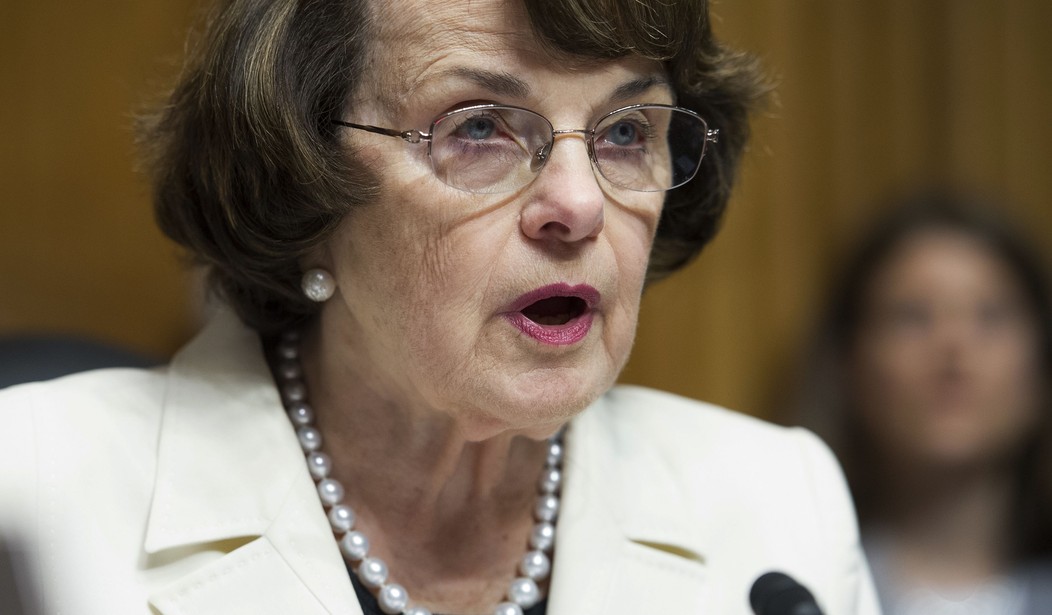
Judge Amy Coney Barrett should be the feminist icon in the debate over whom Donald Trump will choose to replace Justice Anthony Kennedy on the U.S. Supreme Court. She has done it all, with a seat on a U.S. appeals court, a husband, seven children and a degree from the Notre Dame University Law School, where she was editor of the law review. Desperate for something to say against her, Sen. Dianne Feinstein frets over her Roman Catholic faith: "The dogma lives loudly within you," she once told her. Barrett gave her a judicious answer that would have pleased former President John F. Kennedy, who thought he had put "the Catholic issue" to rest. "It's never appropriate for a judge to impose that judge's personal convictions, whether they derive from faith or anywhere else, on the law," she said. Feminism has narrowed its aim again, and the religious test lives. Sad.

Join the Conversation
VIP members get the ability to comment on articles.