





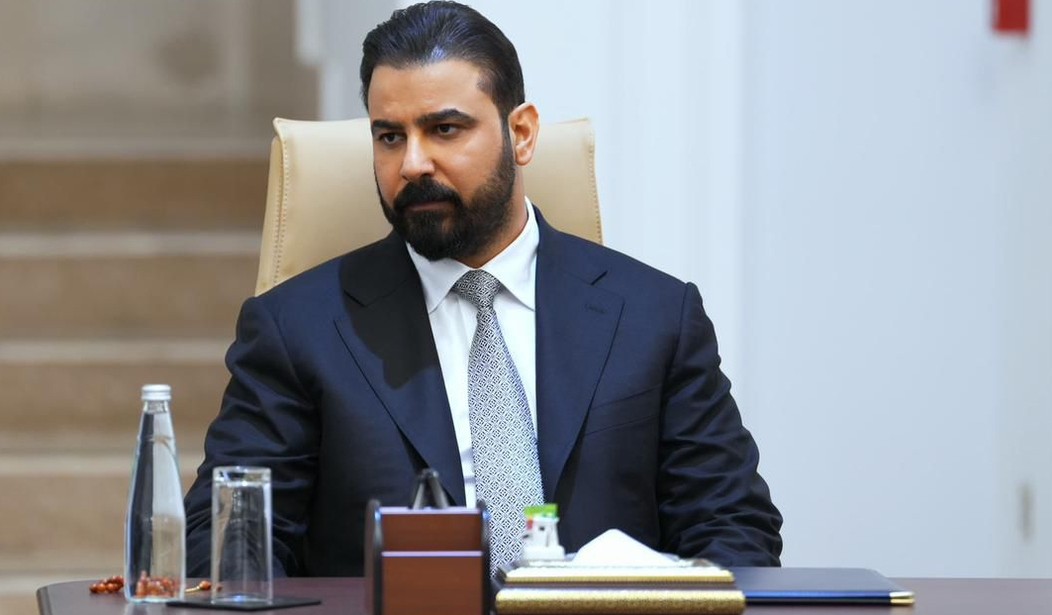
Iraq stands at yet another crossroads – one that could determine whether it finally emerges as a sovereign, stable state or slides back into the sectarian dysfunction and foreign domination that have plagued it for decades. The nomination of Ali al-Zaidi as prime minister-designate offers a cautious glimmer of hope. After years of political paralysis and rising external interference, Iraq may just have dodged a bullet.
Let us be clear, the alternative was deeply troubling. Nouri al-Maliki’s possible return to power sent shudders through anyone familiar with Iraq’s recent history. His previous tenure was marked not only by corruption but by a deeply divisive, sectarian agenda that fractured Iraqi society. Sunni communities were marginalized and targeted, fueling grievances that contributed to the rise of extremist groups. Even more concerning was his alignment with Tehran. Al-Maliki governed less as a national leader and more as a conduit for Iranian influence, advancing policies that subordinated Iraq’s sovereignty to the ambitions of its neighbor.
In that context, al-Zaidi’s emergence is a welcome development. His selection suggests that Iraq’s ruling coalition understands the urgency of change and the need to reassure both domestic constituencies and international partners. The swift congratulatory call from Washington signals a readiness to re-engage, albeit conditionally. The message from President Donald Trump is unmistakable – support will depend on action, not rhetoric.
To understand the weight of this moment, it is important to consider how Iraq arrives at such leadership decisions. The country’s political system, shaped by the 2005 constitution, is parliamentary. Citizens vote in national elections, but the prime minister is not directly elected. Instead, power flows through parliament. After elections, lawmakers convene to form a government, beginning with the identification of the largest parliamentary bloc, often a coalition stitched together through negotiation rather than a clear electoral mandate.
The president then formally invites that bloc’s nominee to become prime minister designate. From there, the real test begins. The nominee has 30 days to assemble a cabinet and secure parliamentary approval. This process is rarely smooth. Ministries are divided through political bargaining, often along sectarian and ethnic lines, in an effort to maintain balance among Iraq’s diverse communities. If the nominee fails to win a vote of confidence, the process resets, prolonging instability.
This system, while democratic in structure, has frequently produced gridlock. Coalition politics, competing interests, and external pressures have turned government formation into a drawn-out exercise in compromise. The result has often been weak leadership and blurred lines of authority, conditions that have allowed non-state actors to flourish.
And that is where the real challenge for al-Zaidi begins. For years, Iraq has operated under what can only be described as a dangerous ambiguity, a “blurry line” between the state and a constellation of pro-Iranian militias. These groups, many initially mobilized to fight ISIS, have entrenched themselves within Iraq’s political, military, and economic structures. Some receive state salaries. Others exert influence over ministries. Collectively, they represent a parallel power structure that undermines the authority of the central government.
No country can function effectively under such conditions. Sovereignty cannot coexist with divided loyalties. If al-Zaidi is serious about ushering in a new chapter, he must confront this reality head-on. The path forward is difficult but not impossible. It begins with clarity. The Iraqi government must make an unequivocal declaration. Armed militias operating outside the formal chain of command have no place in the state. From there, practical steps must follow.
First, militias must be brought under control through integration and reform. Absorbing fighters into the national armed forces offers a viable pathway, but it must be selective and conditional. Individuals should be vetted, trained, and placed under a unified command that answers solely to the Iraqi state rather than to external patrons.
Second, financial lifelines to these groups must be severed. The practice of funneling state resources to militias is unsustainable and corrosive. It perpetuates patronage networks and impunity while weakening institutions. Redirecting those funds toward infrastructure, public services, and national defense would signal a meaningful shift in priorities.
Third, and perhaps most sensitive, is the question of Iran. Iraq and Iran share deep historical, cultural, and religious ties, and geography ensures their relationship will remain significant. But proximity must not translate into dependency. Iraq’s future lies in balanced diplomacy, in engaging with all partners while maintaining independence. Distancing from Tehran does not mean severing ties; it means recalibrating them. Iraqi policy must be determined in Baghdad, not dictated elsewhere.
The stakes could not be higher. The recent suspension of U.S. financial shipments and security assistance underscores the fragility of Iraq’s position. With oil revenues tied to international systems and security threats still present, Iraq cannot afford prolonged isolation. Rebuilding trust with global partners will require tangible progress.
At the same time, al-Zaidi must not lose sight of the Iraqi people. Years of protests have laid bare widespread frustration with corruption, unemployment, and failing public services. The presence of unaccountable militias has only deepened public anger. By taking decisive action, he has an opportunity not only to meet international expectations but to respond to the demands of his own citizens. There is no illusion that this will be easy. The militias are deeply embedded and politically connected. Efforts to curtail their influence will provoke resistance. Yet leadership is defined by the willingness to confront difficult truths and make hard choices. Incrementalism will not suffice.
History has given Iraq another chance that must not be squandered. Avoiding a return to divisive, externally aligned leadership is a significant reprieve, but it is only a first step. The real test lies ahead. Ali al-Zaidi must seize this moment. By navigating Iraq’s complex political system, asserting state authority, integrating or dismantling militia structures, and rebalancing foreign relationships, he can begin to restore sovereignty and stability. Failure to act decisively risks perpetuating the very dynamics that have held Iraq back for so long.
The world is watching. More importantly, the Iraqi people are watching. They have endured years of conflict, corruption, and compromise. They deserve a government that serves their interests, not those of militias or foreign powers. If al-Zaidi rises to the occasion, Iraq may yet turn the page. If not, this fleeting moment of optimism will give way to familiar disappointment.
Struan Stevenson was a member of the European Parliament representing Scotland (1999-2014), president of the Parliament's Delegation for Relations with Iraq (2009-14), and chairman of the Friends of a Free Iran Intergroup (2004-14). He is an author and international lecturer on the Middle East.
Editor’s Note: Thanks to President Trump and his administration’s bold leadership, we are respected on the world stage, and our enemies are being put on notice.
Help us continue to report on the administration’s peace through strength foreign policy and its successes. Join Townhall VIP and use promo code FIGHT to receive 60% off your membership.

Join the Conversation
VIP members get the ability to comment on articles.