





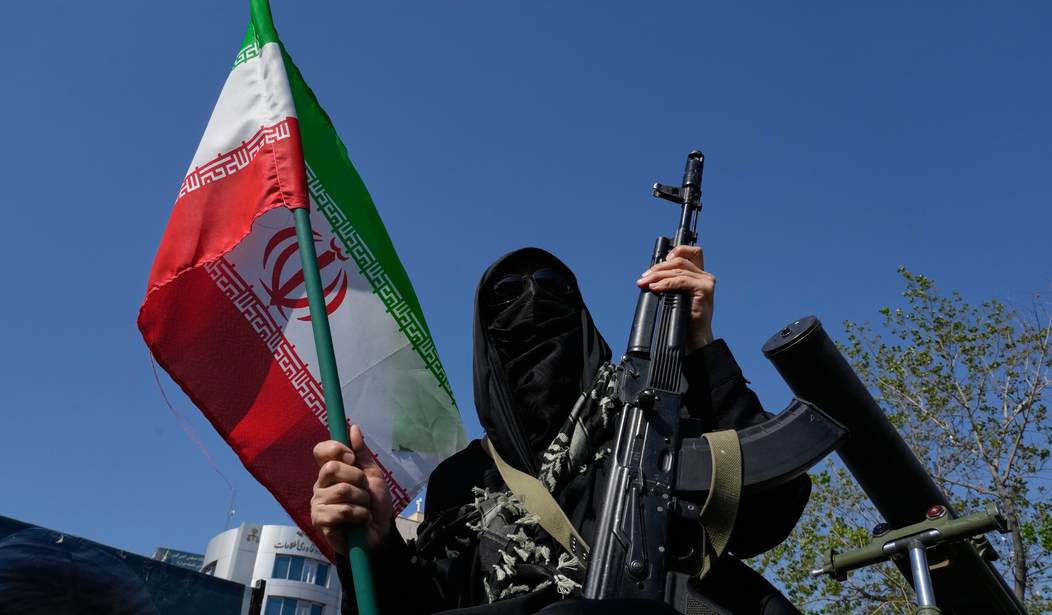
A dark thread runs from the deserts of the United Arab Emirates (UAE) to the streets of London. It is a thread woven by the clerical regime in Iran, sustained by ideology, financed through covert channels, and executed by proxies willing to trade conscience for cash. Recent arrests in both regions expose a campaign that stretches far beyond conventional conflict, embedding itself within civilian life and targeting the very fabric of open societies.
Authorities in the UAE have dismantled a network allegedly tied to the doctrine of Velayat-e Faqih (guardianship of the Islamic jurist). According to officials, this group sought to recruit, indoctrinate, and destabilize from within. Funds flowed outward. Allegiance pointed inward, toward Tehran. The objective appeared clear – weaken social cohesion and cultivate influence beneath the radar.
At the same time, in Britain, disturbing reports have emerged of teenagers recruited and paid to carry out arson attacks on synagogues and Jewish property. These acts strike at the heart of community safety and religious freedom. Intelligence assessments from MI5 have repeatedly highlighted disrupted plots linked to Iranian operatives or their proxies. Each thwarted attack represents a silent success. Each attempt reveals intent that grows ever bolder.
This pattern reflects a regime that thrives on asymmetric warfare. The Islamic Revolutionary Guard Corps (IRGC), particularly its elite Quds Force, has long specialized in projecting power through deniable means. Direct confrontation with the United States or Israel carries risks that Tehran seeks to avoid. Instead, it cultivates networks, mobilizes sympathizers, and exploits vulnerabilities within open societies.
The recent conflict involving Washington, Jerusalem, and Tehran has intensified this behavior. Retaliation rarely follows a straight line. It emerges in unexpected places such as airports in the Gulf, cultural centers in Europe, places of worship in quiet neighborhoods. Targets extend beyond military assets to symbols of identity and alliance.
Britain faces a particular challenge. Its openness, diversity, and rule of law create strengths that attract admiration worldwide. Those same qualities offer opportunities for hostile actors. Young people, especially those who feel marginalized or disillusioned, become potential recruits. Financial incentives, ideological messaging, and online influence campaigns combine to create a potent mix.
The use of teenagers in alleged arson attacks marks a chilling evolution. It suggests a strategy that seeks to outsource risk while amplifying fear. A young individual with a can of petrol and a grievance can inflict damage far beyond the physical. Communities feel exposed. Trust erodes. Division grows.
Such tactics mirror methods employed across the Middle East. Groups aligned with Tehran, like Hamas, Hezbollah, the Houthis, and the Iraqi militias, have developed sophisticated recruitment and indoctrination pipelines. These structures adapt easily to new environments, particularly in an age where digital communication transcends borders.
The arrests in the UAE underline another dimension. Gulf states, often viewed as stable anchors in a turbulent region, face sustained pressure. Infrastructure, tourism hubs, and energy facilities have all featured as potential targets. The message from Tehran appears designed to signal reach and resilience. No corner of the region lies beyond its grasp.
For Britain, the lesson is stark. Geographic distance offers little protection against a regime that operates through networks rather than armies. Vigilance must extend beyond traditional counterterrorism frameworks. It requires a comprehensive approach that integrates intelligence, community engagement, and robust legal tools.
Security services in the U.K. have demonstrated considerable effectiveness in disrupting plots. Their work deserves recognition and sustained support. Yet prevention alone cannot address the underlying drivers. Efforts must also focus on resilience and on strengthening communities against division, ensuring that vulnerable individuals find pathways away from radicalization.
Political clarity plays a crucial role. The activities of the IRGC and its affiliates demand unequivocal condemnation. Appeasement risks emboldening further aggression. Firmness, combined with international coordination, offers a more credible path. Western powers must close Iran’s embassies and expel their diplomats. These embassies are hubs for plotting acts of terror.
There is also a moral dimension. Attacks on synagogues and Jewish property evoke a painful history that Europe knows all too well. Allowing such incidents to proliferate would represent a profound failure. Protecting religious freedom and community safety stands as a fundamental duty of any democratic society.
The shadow war waged by Iran extends into cyberspace as well. Disinformation campaigns, online recruitment, and digital surveillance form part of a broader strategy. Countering these threats demands investment in technological capabilities alongside traditional intelligence methods. The convergence of events in the UAE and the U.K. illustrates a single, coherent strategy emanating from Tehran. It seeks influence, disruption, and revenge, all while maintaining plausible deniability. This approach thrives in the grey zones between war and peace.
Britain stands at a crossroads. Complacency would invite further incursions. Determination, backed by clear policy and strong alliances, can push back against this encroachment. The stakes extend beyond immediate security concerns. They touch upon the integrity of democratic institutions and the cohesion of society itself.
Iran’s leadership may believe that distance and deniability shield it from consequence. That calculation must be challenged. A united response from allies, combined with unwavering domestic vigilance, can expose and counter these covert operations. The message from recent arrests is unmistakable. The threat is real, persistent, and evolving. Meeting it requires resolve equal to the challenge.
Despite mounting evidence of the IRGC’s malign reach, Britain remains conspicuously hesitant while key allies have acted decisively. The United States, Canada, Australia, and most recently the European Union have all formally designated the IRGC in its entirety as a terrorist organization. Yet the U.K. government continues to hide behind the argument that proscribing an official arm of a sovereign state presents legal and diplomatic difficulties.
In the face of a sustained pattern of plots, proxy violence, and subversion on British soil, that position appears increasingly untenable. When a state organ operates as the architect and sponsor of terrorism, the distinction between government and terror network becomes meaningless. Britain’s failure to act now looks less like caution and more like dangerous complacency in the face of an escalating threat.
Struan Stevenson was a member of the European Parliament representing Scotland (1999-2014), president of the Parliament's Delegation for Relations with Iraq (2009-14), and chairman of the Friends of a Free Iran Intergroup (2004-14). He is an author and international lecturer on the Middle East.
Editor's Note: Do you enjoy Townhall's conservative reporting that takes on the radical Left and woke media? Support our work so that we can continue to bring you the truth.
Join Townhall VIP and use promo code FIGHT to receive 60% off your membership.

Join the Conversation
VIP members get the ability to comment on articles.