





Most of the time, Congress is incapable of working in a bipartisan fashion. While the infrastructure bill is a recent exception, the Build Back Better spending bill will clearly be a Democrats-only bill. If you look at the approval numbers for Congress, you can tell that the American people are discouraged about the future and whether our lawmakers can get anything done across party lines. There is at least one issue, though, where both Republicans and Democrats can work together to address a pressing problem facing employers and workers.
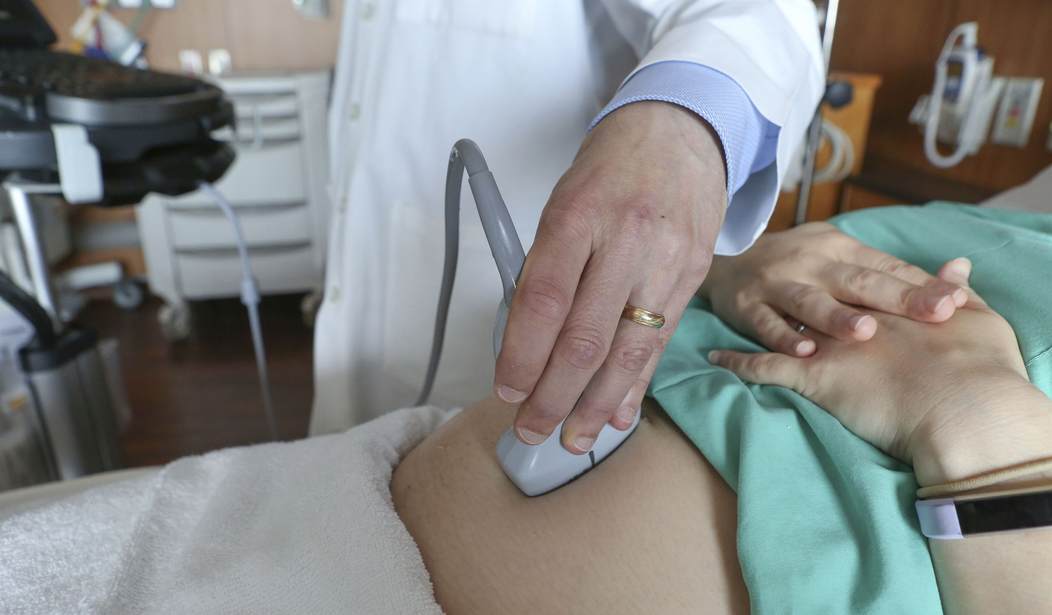
With recent news of record numbers of Americans dropping out of the workforce, it is a good time to promote legislation that will help employers retain their employees. One easy fix is to find ways to keep pregnant workers on the job as long as they desire. Today, many pregnant workers are forced off of their jobs earlier than they would like, creating financial hardship and leaving yet another hole for employers to fill.
With rising inflation numbers, families are having a more difficult time filling up their gas tanks and affording food and other basic necessities for their family. Longer hours are needed by many growing families. Legislation that protects pregnant workers, while also protecting businesses from frivolous lawsuits, makes sense.
The area of bipartisan agreement is the protection of pregnant workers’ rights embodied in legislation titled the “Pregnant Workers Fairness Act.” The House version of the bill, H.R. 1065, passed on May 14, 2021, with over 300 votes in favor including 99 Republicans. Supporters include nearly all of the House Republican leadership, including Kevin McCarthy (R-CA), Steve Scalise (R-LA) and Elise Stefanik (R-NY). This bill should sail through the Senate; it already has four Republicans cosponsoring the bill and was voted out of the health committee with a 19-2 vote, but a Senate floor vote is uncertain.
This is a piece of legislation that has the support of business interests, religious organizations, and civil rights groups alike. These groups have come together from very differing perspectives to provide legal certainty for employers and employees. The employers like the fact that they have a roadmap on how to treat pregnant workers without violating the law. The employees like having the protections in law so they can maintain a healthy pregnancy and push back if an employer is violating any of their rights. There are not many pieces of legislation that have the support of both labor and business interests. This is one.
The coalition supporting the bill includes the U.S. Chamber of Commerce. The Chamber wrote a letter to the House and Senate that argued, “Employers currently face great uncertainty about whether, and how, they are required to accommodate pregnant workers.” Employers like the idea that they will be provided a proper definition of the parameters on appropriate accommodations for pregnant workers.
There is also support from pro-family groups. The U.S. Conference of Catholic Bishops wrote a similar letter to Congress where they argue that the legislation “will make the workplace a safer environment for nursing mothers, pregnant women, and their unborn children.” When the bill came up in the House, Pro-Life Caucus co-chairs Reps. Chris Smith (R-NJ) and Michelle Fischbach (R-MN) voted for the measure.
The specifics of the new proposed law are important. Many states have similar laws on the book, but a national standard is direly needed to ensure all workers are protected and all employers have the guidance they need. The new law would require businesses to provide reasonable accommodations for pregnant workers. This accommodation requirement is modeled after the Americans with Disabilities Act (ADA), meaning employers will not be required to navigate a new and onerous framework.
With all the fighting going on in Washington, D.C. over President Biden’s Build Back Better spending plan and a perceived lack of progress to fight inflation, it would be nice for the two warring political parties to pause and show that they can work together when necessary. The Pregnant Workers Fairness Act is one of the few bipartisan issues that has enough support from business and labor interests to get through Congress. It also will be a message to growing families that politicians are trying to protect pregnant workers and their families at a time when it is all-hands-on-deck just to make ends meet for so many struggling Americans.


Join the Conversation
VIP members get the ability to comment on articles.