





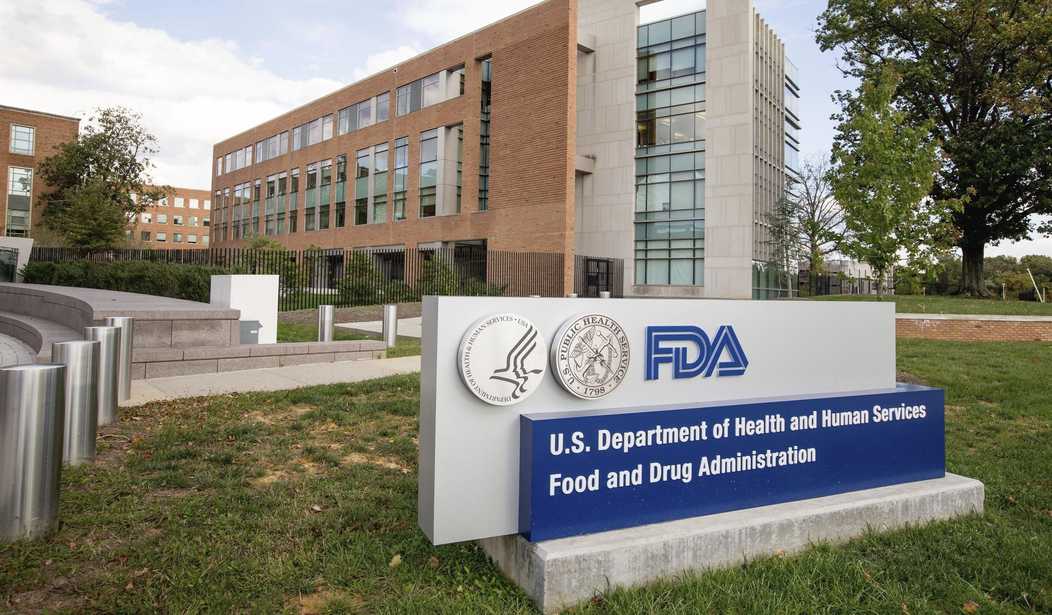
For decades, the United States has led the world in pharmaceutical innovation -- developing drugs that combat cancer, heart disease, AIDS, diabetes and other killer diseases. One recent study found that "in health-sciences output in the Nature Index, the United States' Share is almost 8,500, higher than the next 10 leading countries combined."
The industry's research and development has saved and improved tens of millions of lives in the U.S. alone and perhaps 10 times that number around the world. Yet somehow Washington has come to regard the industry as a villain.
The newest U.S. wonder drug -- Zepbound -- is extraordinarily effective in driving major weight loss. This drug is now being used by millions of people -- about 70% of Americans are overweight -- and contributing to an improvement in the country's health. Users of the drug treatments, which suppress appetite, typically lose 10%-20% of their body weight after taking the shots. This miracle drug is reducing lives lost from obesity, heart disease, cancer and stress -- while allowing millions of Americans to become more active and feel better about themselves.
Here's the problem: The cost of developing new drugs and getting them approved typically exceeds $2 billion -- and takes 10-15 years -- according to the Tufts Center for the Study of Drug Development. (There's also a high failure rate -- 90% of drugs that reach the clinical trial phase never come to market.)
For every drug approved by the Food and Drug Administration, there are nearly a dozen that fail and lose money for investors. The rare wonder drug "hits" have to pay off to cover the cost of the much more common dead-end research -- the "misses."
The future of American drug innovation is threatened by U.S. regulations that permit knockoff versions of new drugs to be sold to U.S. consumers.
Today, companies known as "compounders" specialize in creating these knockoffs -- and cashing in along the way. They generated nearly $5 billion in revenues in 2023.
Compounders freeload off the high R&D costs and slow approval times associated with developing new drugs. Instead, they modify patented, FDA-approved medicines by adding an additional ingredient or tinkering with the doses and then mass-produce knockoffs. But there is no science supporting this trickery in the case of the weight-loss drugs.
Many of these "copycat" drugs are imported from China -- the nation that has routinely run roughshod over American patent rights.
The weight-loss drugs were so successful that demand outstripped supply. The FDA determined there was a shortage of Ozempic and Wegovy and allowed the copycat drugs access to the market.
But there is no shortage today. The FDA moved those weight-loss drugs off their shortage list but gave compounding pharmacies an extra 60-90 days to stop producing their drugs.
This was an undeserved gift that rewards the knockoffs to the tune of millions of dollars (mostly to the Chinese) while penalizing the companies that did the hard and expensive work of creating these drugs and getting them approved. The same FDA that endlessly delays approving drugs gives a free pass to the counterfeit drugs.
Copycat drugs can save consumers money in the short term. But the societal cost of the signals this sends to the pharmaceutical industry could be devastating. It will surely cause delays and defunding of urgently needed medical research in areas like multiple sclerosis, Alzheimer's, brain cancer and epilepsy, to name just a few.
Tomas Philipson of the University of Chicago has proven that drug price controls to keep costs low only curtail the advance of new drugs and kill many more people in the long run than they save. Philipson concludes that "compounding as currently performed violates the exclusivity granted ... by patents and therefore shrinks the market for new innovation."
The FDA should cut off access to these fake and unsafe drugs and allow the normal patent process to work to protect our intellectual property. Patent protection is what has made America the leading disease combatant of the world and what will speed along the next generation of lifesaving drugs.



Join the Conversation
VIP members get the ability to comment on articles.