





The global NGO-industrial complex has become one of the most insidious threats to free societies in the West, including Europe and the UK. Foreign-funded networks—often unaccountable, unelected, and pushing policies no voters ever endorsed—are exerting massive influence over governments, draining resources, compromising sovereignty, and enabling intimidation, espionage, and cultural erosion. This "parallel government" operates outside democratic oversight, answering to donors (including adversarial foreign powers) rather than the people. As recently highlighted by DataRepublican after meetings with government representatives from dozens of countries in DC, the NGO problem is identical worldwide: officials feel their nations are no longer truly in control, with NGOs imposing unwanted agendas through funding leverage and backdoor pressure. In the UK and much of Europe, this has contributed to migration crises, free speech crackdowns, security vulnerabilities, and, in the UK, a Labor government accused of yielding to external threats. The United States must urgently expose these influence networks—starting with cutting off any federal dollars flowing to them—while Britain fights to reclaim its own culture. Failing to do so risks letting key allies fall into the wrong hands, amplifying dangers from Chinese infiltration, Islamist extremism, and other anti-Western forces.
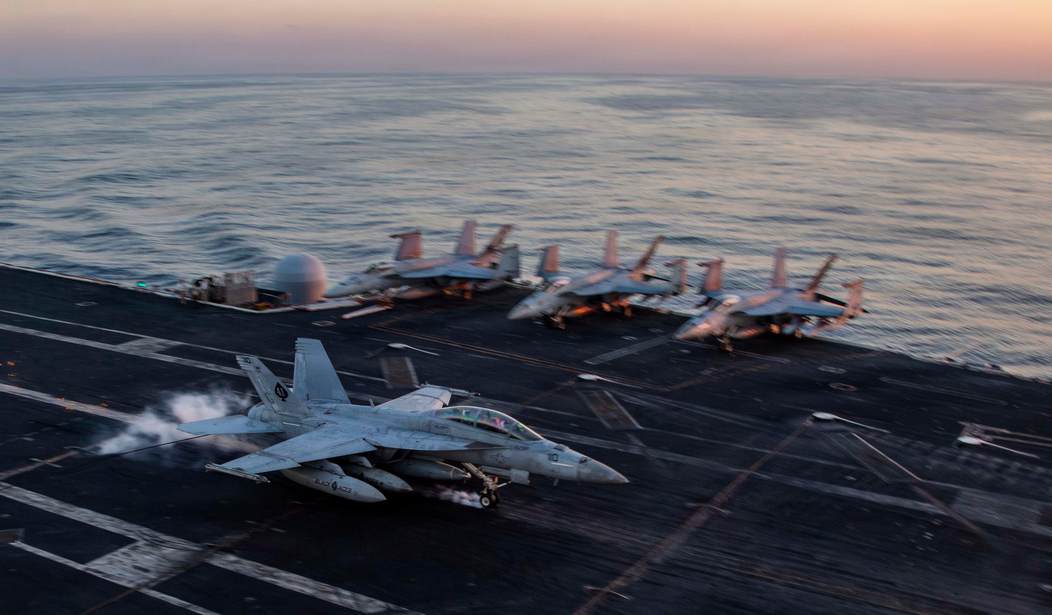
This past week, headlines across the US and UK have spotlighted the fallout from PM Starmer’s reluctance to allow US use of UK bases for strikes on Iran, and his delayed deployment of defensive assets like jets and warships to regional partners. This has left allies like Cyprus exposed to potential Iranian retaliation. But the fact remains that the US is decisively winning this conflict with little to no help from Britain. So why does it matter?
While America isn't desperate for the UK's lagging military support, the "special relationship" is in deep crisis, and the Iranian situation has only sharpened the focus. Contrary to the ideas of some conservatives eager to shed European ties, the erosion of this alliance between two of the West's oldest partners is a serious problem that demands attention.
Before Operation Epic Fury against Iran, the UK already drew President Trump’s criticism over a questionable backroom deal on the vital Diego Garcia base. Additionally, Britain has endured severe free speech restrictions outpacing the USSR, and faces overwhelming migration issues that sap its economic and global strength. Those are just a few of the myriad problems eating away at the UK-US relationship in recent years.
As a foreign affairs journalist with experience in DC, I've discussed US-European relations with many insiders. On one such occasion, a senior State Department diplomat and I were discussing the reputation of the European desk at State and across the national security ecosystem. Many in DC consider it to be a “boring” place to be assigned due to the relative lack of excitement available in modern, western, developed countries. This official told me something I will never forget: The Europeans are the ones you call in a crisis. Who else has ready, advanced, technologically superior militaries? Global intelligence networks? Diversified industrial bases for humanitarian and medical aid? Western Europe (alongside the US) represents the core of civilized, capable allies.
In the Middle East, Gulf partners provide invaluable regional support, but most are small, oil-dependent, and still building advanced defenses. As seen in this conflict—where the UAE has faced heavier Iranian missile targeting than even Israel—many rely heavily on US protection. We also need partners who can defend themselves and us.
It would be impossible to continue with this analysis without mentioning Israel, which has stepped in to fill the gaping holes left by the UK and some of our other past European allies, flawlessly. Their modern defense industrial complex, advanced training and military skill, and integrated partnerships with US forces has been a force multiplier that the world must reckon with.
But the UK? The only real barrier is internal. Its Labor government faces accusations of siding with terrorists under pressure from its Muslim refugee population (some of whom have caused havoc when demands go unmet). Recent trials expose deeply embedded Iranian spies in UK society and government, alongside Chinese spying allegations in Parliament. The entire system could be compromised—via espionage, Chinese payoffs, or terrorism threats.
Can we afford to let the UK slip into hostile control? We're already infiltrated by Chinese and anti-Western Islamist elements here; a fallen UK would heighten our risks exponentially. Recall WWII warnings—if Britain fell to Hitler without US involvement, America's peril would multiply.
The same logic applies to Chinese ambitions or Islamist caliphate goals. These scenarios may seem unlikely, but given the current state of affairs on mainland Europe, they warrant serious consideration.
Rather than viewing the current tensions as proof that the UK relationship is obsolete, we should see it as a stark warning. We cannot let the UK fall into the wrong hands. Addressing the global NGO-industrial complex is essential—it's plagued the US and many allies, with foreign influence only now coming to light. DataRepublican's recent revelations from DC confirm this is a worldwide issue. While Britain's people must ultimately save their nation, the US can lead in exposing these networks, cutting off funding, and spreading the truth.
Editor's Note: For decades, former presidents have been all talk and no action. Now, Donald Trump is eliminating the threat from Iran once and for all.
Help us report the truth about the Trump administration’s decisive actions to keep Americans safe and bring peace to the world. Join Townhall VIP and use promo code FIGHT to get 60% off your VIP membership.


Join the Conversation
VIP members get the ability to comment on articles.