





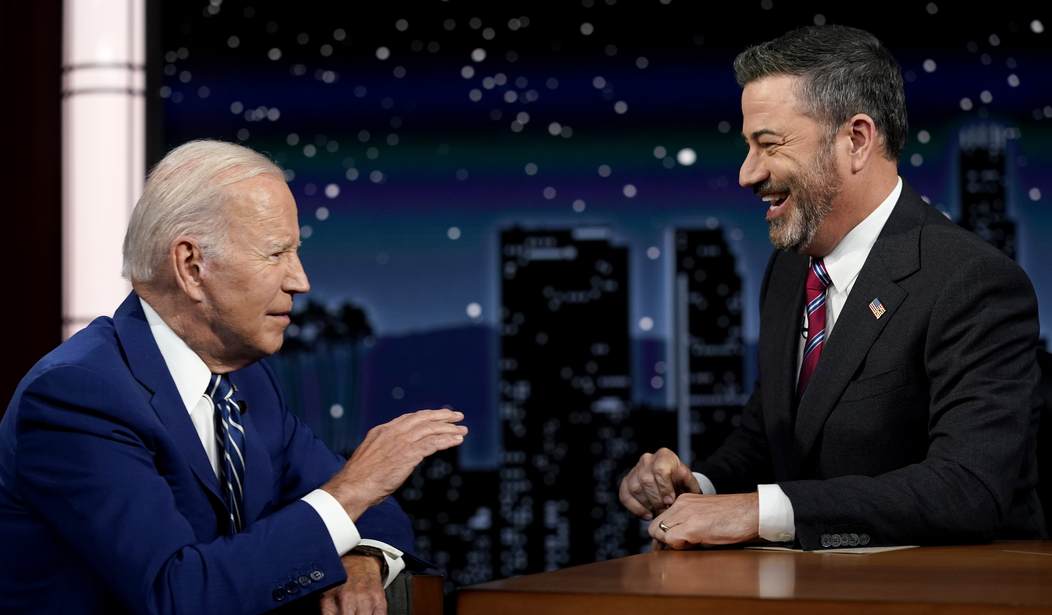
ABC’s decision to take Jimmy Kimmel off the air after his comments about the assassination of Charlie Kirk is the latest flashpoint in America’s ongoing struggle over free speech. Some will cheer it as justice. Others are crying censorship. The truth, as always, is more complicated.
Free speech is one of the bedrock principles of the United States. It is the right that protects all the others, the freedom that allows ideas to compete in the public domain. Like every freedom, it carries responsibilities. A comedian is free to tell jokes. A network is free to air them. And viewers are free to change the channel. Yet when the words cross a line that devalues human life or mocks tragedy, the consequences are financial, reputational, and moral.
Charlie Kirk was murdered for exercising his constitutional right to speak his mind. That act of violence shocked the conscience of the nation. To have a national entertainer use that moment to make a false point, or get cheap laughs was not only insensitive, but it was also appalling. It told millions of Americans that their grief, their outrage, and their fear of political violence does not matter. A free society cannot thrive if leaders in media or politics treat life itself as expendable.
Still, we must guard against slipping into cancel culture. Silencing comedians, firing teachers, or banning books because someone is offended is not the American way. What separates us from authoritarian societies is precisely our ability to tolerate a wide range of expression, even when it is uncomfortable. That includes speech from those we disagree with.
But tolerance does not mean immunity from consequences. A teacher, for example, has the right to voice political opinions, but if those opinions make students feel unsafe in the classroom, perhaps that classroom is not the right place for that teacher. A network host has the right to make edgy jokes, but if advertisers and viewers walk away, the network must make a business decision. That is not censorship. That is accountability.
This is where critics often get it wrong. Cancel culture is about mob rules, about organizing to destroy a career or reputation simply for holding an unpopular opinion. It thrives on fear and intimidation. What happened to Jimmy Kimmel is not that. This was not a spontaneous online outrage campaign. It was a decision by ABC, a business with stakeholders and obligations, to separate itself from comments that made millions of viewers question whether their values were being mocked.
There is also an important difference between criticism and censorship. Kimmel has not been silenced by the government. He can still go on tour, record a podcast, write a book, or speak his mind on social media. His constitutional rights remain fully intact. What he lost was a corporate platform, because the people who own that platform decided his words were not worth the cost. That is not the death of free speech. It is the free market in action.
We are living in a moment where rhetoric too often escalates into violence. The left has spent years branding conservatives as threats to democracy. That climate of demonization creates real danger. When violence does occur, as it did with Charlie Kirk, mocking it or dismissing it only deepens the divisions. Americans of all political stripes should be able to agree violence is never an acceptable response to speech.
The challenge going forward is to strike the right balance. We cannot allow mob outrage to dictate who is allowed to speak. At the same time, we cannot excuse reckless rhetoric that puts lives at risk or trivializes tragedy. That is where the responsibility lies. Free speech is not a license to be cruel, indifferent, or destructive. It is an invitation to participate in the marketplace of ideas especially political ideas, with courage and humility.
Kimmel’s removal should not be seen as a victory for censorship. It should be a reminder that words matter. They shape culture, influence behavior, and can either build bridges or burn them. If you are given a powerful microphone that reaches millions, you bear a responsibility to use it wisely. The fact is that things are changing and leftwing messages aren’t paying ABC as good as they were. Kimmel should think about where the money is really coming from.
In America, we protect the right to speak, even when it is offensive. But with that protection comes the responsibility to recognize when words cross a line that undermines the freedom we cherish. ABC made a difficult choice, and while some may call it cancel culture, I see it as a great moment of accountability. Free speech will survive this moment. What matters is whether we, as a society, can learn to value it enough to use it responsibly.
Shaun McCutcheon is a Free Speech advocate, an Alabama-based electrical engineer, the founder of Multipolar, and was the successful plaintiff in the 2014 Supreme Court case McCutcheon v. FEC.
Editor’s Note: Do you enjoy Townhall’s conservative reporting that takes on the radical left and woke media? Support our work so that we can continue to bring you the truth.
Join Townhall VIP and use the promo code FIGHT to get 60% off your VIP membership!

Join the Conversation
VIP members get the ability to comment on articles.