





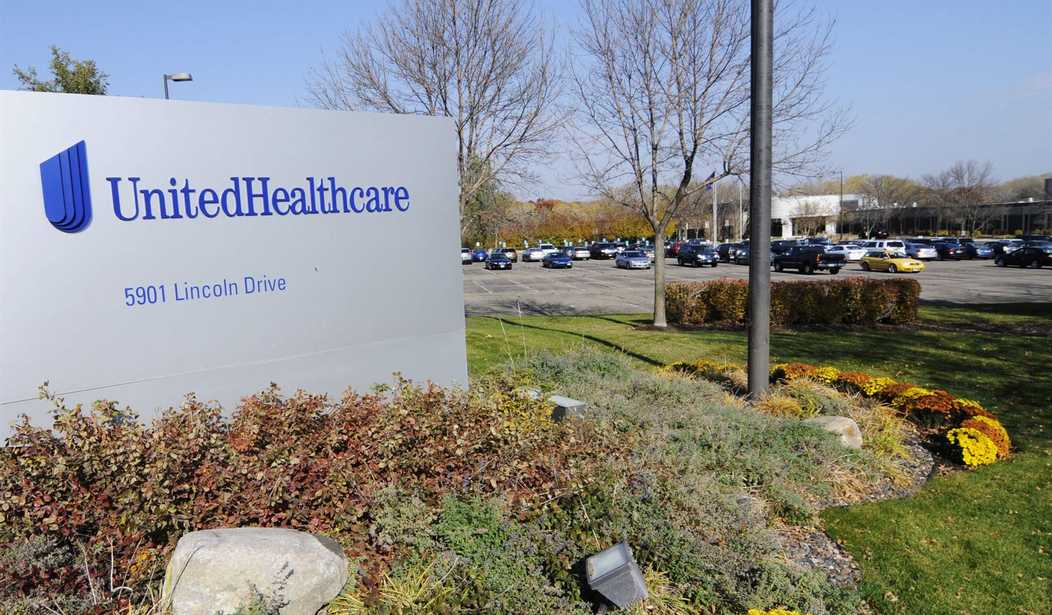
Next week, Senate Finance Committee members will grill UnitedHealth Group CEO Andrew Witty for the lax security that enabled a cyberattack on UnitedHealth's claims-processing subsidiary, Change Healthcare. The attack shut down payments across the healthcare industry for weeks, creating a $14 billion backlog in claims and sending providers on a frustrating search for workarounds.
Much of the April 30 hearing will focus on the specifics of the cyberattack and its aftermath. But lawmakers should think bigger -- and probe the staggering influence of UnitedHealth, which has quietly metastasized into one of the nation's largest and most politically powerful firms, one that all too often grows its bottom line at the expense of patients' health and privacy.
Senators will undoubtedly question Witty about Change Healthcare's exclusivity agreements, which reportedly preclude providers from submitting reimbursement claims via other processors. Such agreements likely lengthened the backlog of claims -- and are just one of many ways the parent company uses a series of lucrative interlocking ownership relations and partnerships to block competition.
For instance, UnitedHealth dominates not only claims processing -- via Change Healthcare -- but also shapes the contours of tens of millions of Americans' prescription drug plans through its subsidiary Optum Rx, one of the three largest pharmacy benefit managers in the nation.
PBMs were originally formed to coordinate and administer prescription drug access for insurers. PBMs negotiate lower prices from drug makers in exchange for placing those medications in more favorable positions on insurers' "formularies," or lists of covered drugs. A more favorable position means more sales for drug makers, which is why they're willing to give hefty discounts to PBMs in return. PBMs keep some of those discounts for themselves, and pass the rest on to insurers.
A recent report from the Senate Finance Committee found that PBMs routinely use their control over formularies to steer patients toward pricier medicines, even when cheaper options are available. For example, the PBM-crafted formularies used by many Medicare drug plans don't cover lower-cost versions of expensive name-brand drugs, forcing beneficiaries to pay more out-of-pocket if they want the nominally cheaper medicines.
Wouldn't insurers and pharmacies object to this practice? Isn't it crazy for an insurer to cover higher-priced medicines, but not identical lower-priced ones?
Not if the insurer and the PBM are both owned by the same parent entity. In fact, conglomerates like UnitedHealth can make more money by steering patients towards higher priced drugs. That's because the PBM collects bigger rebates -- and then the insurer collects a larger coinsurance payment from patients, whose cost-sharing obligation is generally based on the nominal, pre-discounted price of a drug.
The net effect is that, combined, the PBMs and insurers take in more revenue while shifting costs onto patients. And because PBMs insist on confidentiality in their discount arrangements with drug makers, it creates a "black box," -- patients never realize they're being taken advantage of.
This unprecedented consolidation presents clear dangers for patients. When a single corporate entity controls every link in the pharmaceutical supply chain after a drug leaves the manufacturer, no one is left to check its power to set prices or limit choice.
Seniors are especially vulnerable, because of the reach of UnitedHealth and other conglomerates into Medicare. And that's where the consolidation of Big Health takes an even more ominous turn.
Astoundingly, one of UnitedHealth's most effective sales reps with seniors is none other than AARP, the ostensibly non-profit AARP, which aggressively markets UnitedHealth insurance products to its 38 million members. While AARP promotes itself as an advocacy group for older Americans, it reaps huge revenue by marketing UnitedHealth plans -- more than $625 million a year as of 2017.
The figure was getting so large that AARP stopped reporting its UnitedHealth revenue separately the year after. By 2021, total AARP royalties were more than three times higher than total member dues collected. Revenues of just over $2 billion that year exceeded total expenses by more than $356 million -- not bad for a supposed non-profit.
This relationship helps steer more Medicare beneficiaries into UnitedHealth's clutches while lending a false patina of public-interest credibility to the company's bottom line-padding practices. AARP will surely never let advocacy for seniors take precedence over its financial relationship with UnitedHealth. It's de facto part of the conglomerate.
Senators should be asking Andrew Witty pointed questions about his corporation's murky practices and its relations with partners like AARP. His evasions will be fun to watch.
Saul Anuzis is President of 60 Plus, the American Association of Senior Citizens.

Join the Conversation
VIP members get the ability to comment on articles.