





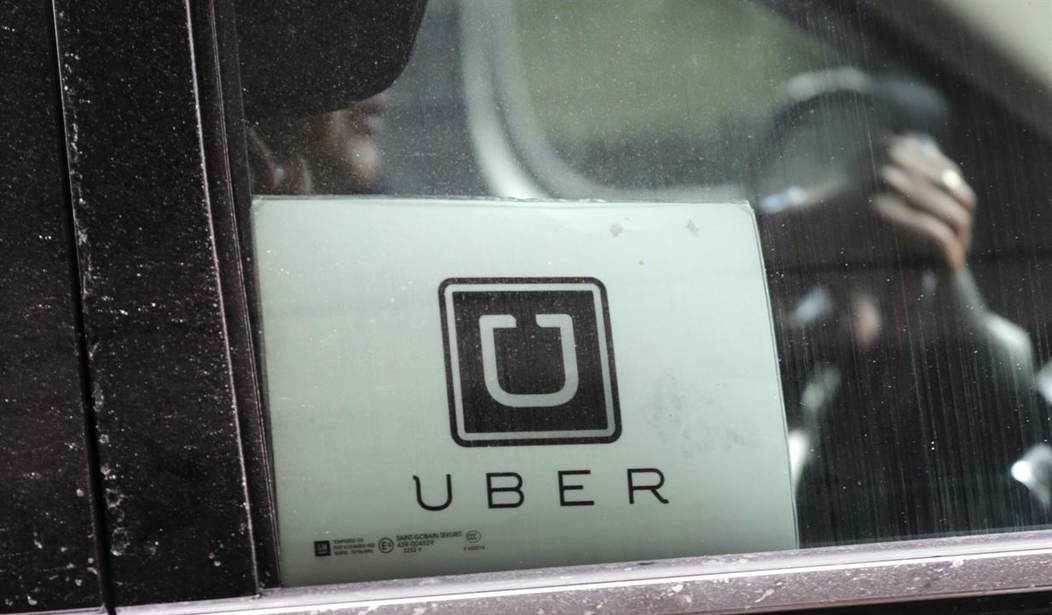
Since the start of the pandemic, gig-economy workers have delivered groceries and meals to millions of Americans – including the elderly and immunocompromised – while they remain cooped up at home. Gig-economy workers also continue to provide rides to those who need them most, including our healthcare workers, firefighters, and grocery clerks. In return, these contractors have both asked for and received temporary health benefits and personal protective equipment (PPE) from companies including Instacart and Uber.
But as is often said, “No good deed goes unpunished.”
Besides working around the clock to ensure these essential services continue uninterrupted, app-based companies must now also prepare for the temporary benefits they’ve provided workers to be used against them in court. A coalition of lawmakers and lawyers are eager to make the case that contractors should be reclassified as “employees,” a regulatory change that would create a slew of unintended consequences and hurt millions of gig workers.
This threat puts the Instacart’s and Uber’s of the world in a precarious situation. If companies continue to make significant investments in PPE and other resources that will protect workers, they will attract unwanted attention from those trying to have independent contractors reclassified as employees.
That’s why it is critical that Congress protect the safe harbor for independent contractors in any upcoming COVID-19 package.
Currently, gig-economy workers are independent contractors. While this arrangement allows platform companies to keep costs low for consumers, it also allows workers the freedom and flexibility to work whenever and wherever they choose. “The Rideshare Guy” podcast and blog founder Harry Campbell writes, “After thousands of conversations with drivers, I’ve found that while they come from all walks of life, one of the main reasons they value this work is flexibility. As a driver, you can work almost as much or as little as you want, cash out your pay instantly, take a break at a moment’s notice, or even go on a six-month vacation.”
This flexibility would disappear if Instacart and Uber contractors were reclassified as employees. Indeed, reclassification would lead to a rash of unintended consequences. For example, when New York City forced ridesharing companies to pay their drivers a minimum pay rate, affected platforms had to bar drivers from picking up consumers in less busy areas. Under the employee system, wage-and-hour laws make it unprofitable for drivers to serve consumers in sparsely populated areas. Of course, this is bad for drivers who prefer to stick to the areas around where they live, even if the area isn’t always busy. But such a system is even worse for those who regularly rely on platform companies for rides and delivery services, such as healthcare workers and disabled and elderly consumers.
With so much legal uncertainty, it is no wonder that delivery and ridesharing companies are hesitant to provide workers with greater access to PPE, paid time off, and other innovative resources that could ultimately be used against them. Across-the-board reclassification would pose billions of dollars in new costs and potentially undermine digital-platform models, hurting the businesses, workers, and consumers who rely on them every day.
That’s why safe harbor language recently put forward by Senators Mitch McConnell (R-Ky.) and John Cornyn (R-Tex.) as part of the Health, Economic Assistance, Liability Protection and Schools (HEALS) Act is so critical. This language would safeguard independent contractors’ rights and grant safe harbor to companies that continue to offer PPE and other essential health benefits to workers. Specifically, it stipulates that providing PPE, health benefits, coronavirus-related training, etc. “shall not constitute evidence of a joint employment relationship or employment relationship.” This simple language allows companies to support workers without worrying about costly legal mandates and employment reclassification. Similar language introduced by Senator Chuck Grassley (R-Iowa) also offers similar protections for gig-economy businesses and contractors.
For the sake of gig economy workers and countless Americans relying on their services, lawmakers must include contractor protections in any upcoming relief bill. The health and safety of the nation depend on Congress protecting these essential workers.
Ross Marchand is the Vice President of Policy for the Taxpayers Protection Alliance.


Join the Conversation
VIP members get the ability to comment on articles.