





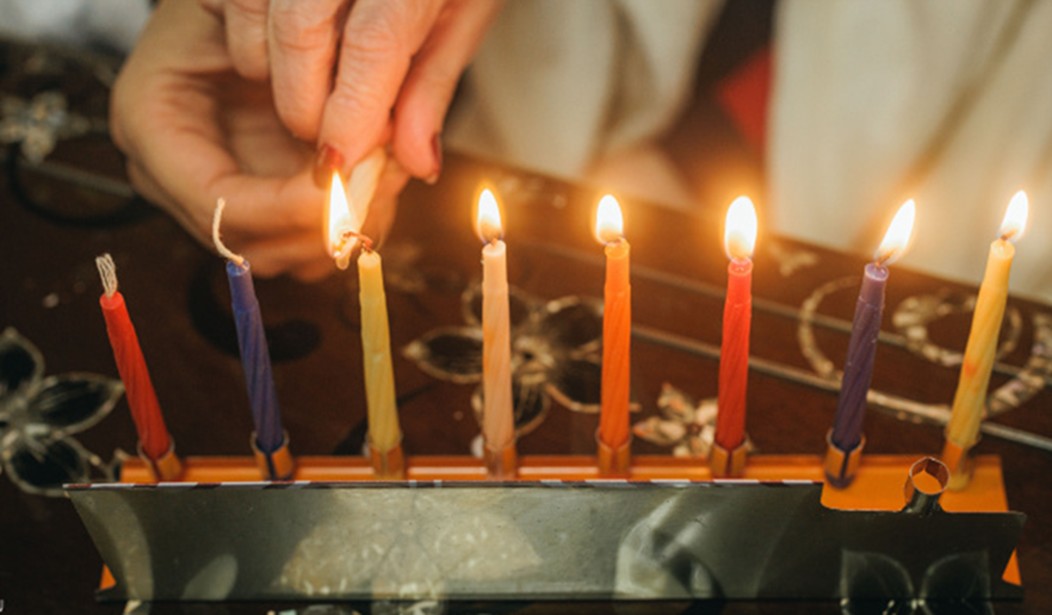
Hanukkah is one of the most joyous festivals of the Jewish calendar, celebrated each winter with candles, songs, food, and family gatherings. However, beyond the festive atmosphere, Hanukkah carries profound lessons about faith, perseverance, and God's miracles—lessons that resonate deeply not only for Jews, but also for Christians who share in the biblical heritage of this holiday.
In 2025, Hanukkah begins at sundown on December 14 and concludes at sundown on December 22. This eight-day festival starts on the Hebrew date of 25 Kislev and commemorates both a military victory and a spiritual triumph that took place over 2,000 years ago. To understand Hanukkah's significance, we must look back at its remarkable history.
Why Hanukkah Is Celebrated
Hanukkah's origins lie in the second century B.C.E., when the Jewish people were under the rule of King Antiochus IV of the Seleucid (Greek-Syrian) Empire. Antiochus sought to impose paganism on the Jews, desecrating the Temple in Jerusalem by erecting an idol to Zeus and forcing Jews to abandon their dietary laws. This was the first time in Jewish history that enemies sought to destroy them spiritually rather than physically.
Against overwhelming odds, a small band of Jewish fighters known as the Maccabees, led by Mattathias and his son Judah, rose up in revolt. Though outnumbered and undertrained, they recaptured Jerusalem, cleansed the Temple, and rededicated it to God. That is the meaning of the word Hanukkah: "rededication."
When the Maccabees sought to relight the Temple's eternal flame, they found only enough oil to last for one day. Yet miraculously, the flame burned for eight days until new oil could be prepared. This miracle gave Hanukkah its other name: the Festival of Lights.
This story is not only about the survival of the Jewish people, but also about the enduring power of faith. It reminds us that God's presence can sustain His people even when circumstances seem impossible.
Victory of Light Over Darkness
The Hanukkah story is more than a tale of military triumph. It is a spiritual parable about the victory of light over darkness. The Greeks valued physical beauty, materialism, and human reason above all else. The Jews, by contrast, cherished holiness, the soul, and the unseen presence of God.
This clash of values resonates across faith traditions. For Christians, Hanukkah reminds us that God's truth often stands against the prevailing culture. Just as the Maccabees resisted assimilation, believers today are called to stand firm in faith, even when it is countercultural. The candles lit each night of Hanukkah symbolize this ongoing struggle, showing how even one small flame can dispel great darkness.
Did Jesus Celebrate Hanukkah?
The connection between Hanukkah and Christianity is closer than many realize. The Gospel of John records that Jesus celebrated Hanukkah, also known as the Feast of Dedication:
"Then came the Festival of Dedication at Jerusalem. It was winter, and Jesus was in the temple courts walking in Solomon's Colonnade" (John 10:22-23).
This passage shows that Jesus observed the holiday. For Christians, this is a powerful reminder that Hanukkah is not only a Jewish tradition, but also part of the spiritual heritage of Jesus Himself. When Christians learn about Hanukkah, they are connecting with a practice that Jesus Himself observed, and with the values of courage, rededication, and trust in God that the holiday represents.
A Miraculous Victory
Jewish tradition emphasizes that the Maccabees' triumph was not merely a military success. It was God who delivered the many into the hands of the few, and the mighty into the hands of the weak. The name "Maccabee" itself is an acronym for the Hebrew phrase Mi Kamocha Ba'elim Adonai—"Who among the gods is like You, Lord?" (Exodus 15:11).
This faith-driven battle cry reminds us that victory comes not by human strength alone, but by God's Spirit. Christians will recognize echoes of this truth in Zechariah 4:6: "Not by might nor by power, but by my Spirit, says the Lord Almighty." Hanukkah, therefore, becomes a celebration not only of Jewish resilience, but of God's miraculous intervention in history.
Sharing Our Light
One of the most distinctive customs of Hanukkah is the public lighting of the menorah. Jewish sages taught that the miracle of Hanukkah should be "publicized." Families place menorahs in windows or even outside their homes, and communities hold public ceremonies with large menorahs.
Why this emphasis on visibility? Because Hanukkah is about declaring faith openly. In ancient times, some Jews hid their identity to blend into Greek society. The Maccabees, however, stood firm. Public menorah lightings today echo that courage, proclaiming that God's light cannot be hidden.
For Christians, this practice resonates with Jesus' teaching in Matthew 5:14-16: "You are the light of the world. A town built on a hill cannot be hidden… let your light shine before others." Hanukkah reminds us that faith is meant to be lived publicly, not privately. It is a call to share our light with the world.
How Hanukkah Is Celebrated
Hanukkah has many rich and meaningful traditions, including:
- Lighting the Menorah: Each night, one additional candle is lit until all eight are burning. A ninth candle, the shamash ("helper"), is used to light the others.
- Blessings and Songs: Special prayers and hymns are recited, praising God for His miracles.
- Food: Fried foods like latkes (potato pancakes) and sufganiyot (jelly donuts) recall the miracle of the oil.
- Games: Children play with the dreidel, a spinning top inscribed with Hebrew letters that stand for "A great miracle happened there."
These customs are both joyful and deeply symbolic. The oil in the food recalls the miracle of the Temple lamp. The dreidel reminds children of the courage of Jews who studied Torah in secret during times of persecution. Each tradition reinforces the central message of Hanukkah: that God's light endures.
Hanukkah's Message for Today
Hanukkah is more than a historical commemoration. It is a living reminder that God's miracles continue to shine in times of darkness. For Christians, Hanukkah offers a chance to reflect on the shared spiritual heritage of Judaism and Christianity, and to recognize the values of courage, faith, and rededication that unite both traditions.
As candles are lit each night, Jews remember the miracle of the oil and the triumph of the Maccabees. Christians can see in those flames a symbol of Jesus' own words: "I am the light of the world" (John 8:12). Together, these traditions remind us that God's light is stronger than any darkness, and that faith can overcome even the greatest obstacles.
Robin Van Etten is a seasoned nonprofit professional with 25 years of experience in direct response marketing and fundraising. She is currently the US CEO and Global Chief Operating Officer at the International Fellowship of Christians and Jews, a nonprofit humanitarian organization serving the needs of the Jewish population around the world. In 2025, she was named a Notable Leader in Philanthropy by Crain's Chicago Business.
Editor’s Note: Do you enjoy Townhall’s conservative reporting and opinion? Support our work by joining Townhall VIP! Use the promo code FIGHT to get 60% off your VIP membership!


Join the Conversation
VIP members get the ability to comment on articles.