






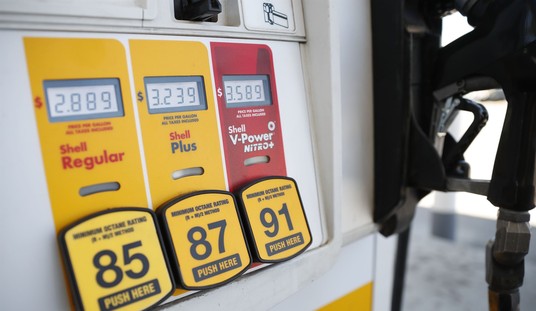
Compounding the problem is the dependency of the U.S. and other countries on foreign oil. The U.S. produces about five percent of the world’s petroleum while consuming about 20 percent. Although the U.S. does not buy oil from the most unstable oil-producing regimes, other countries do. When that supply is restricted, those countries turn to our primary suppliers, which drives up prices for everyone. The wave of Middle East uprisings which began in January may be the factor most responsible for the current increase in gasoline prices, felt all over the world. Other significant contributing factors include increased demand from Japan for oil, because of its nuclear plants being out of commission, and ever-increasing demand from fast-growing countries like China and India. Venezuelan president Hugo Chavez just announced in April that he is hiking taxes on crude oil exports. The U.S. is feeling the pinch even more than other countries due to the debasement of the dollar.
Senate Democrats ignore these underlying factors and instead blame the oil companies for high gas prices. They want to slash tax breaks for oil companies, and direct the money instead to alternative fuels, essentially picking winners and losers in the energy industry. Oil companies already pay a higher percentage of their income in taxes, 41.1%, than the average for all other S&P Industrials, 26.5%. Raising taxes on oil companies will not work, because they will just pass the costs along to consumers. Democrats blame the oil companies instead of admitting the higher prices are caused by Middle East turmoil, because then they would have to acknowledge that drilling locally would fix the problem. Environmentalists in the Democrat Party prevent them from selecting the common sense solution of expanding offshore drilling.
Senate Democrats also blame Wall Street speculators for driving up the price of gasoline, and the Obama administration has called for an investigation into energy speculators. But consumer reporter John Stossel points out the last time there was an investigation into oil speculators driving up the cost of gas, it uncovered nothing. President Bush commissioned a review by the Commodity Futures Trading Commission in 2008 on the effect speculators had on market prices. The agency found that speculators actually put downward pressure on prices. There is no free market in oil; the government picks and chooses how much oil to drill and which countries to buy oil from. Stossel notes that in the past when government has banned speculation on commodities, such as on onions, it caused the price of that commodity to fluctuate even more.
There are signs that Obama may be figuring out that the Democrats’ proposals won’t work, leaving gas prices high which would hurt his reelection chances. After generally opposing offshore drilling, he is now saying he will speed up oil and gas drilling on public lands and waters in Alaska, along the Atlantic coast and the Gulf of Mexico.
The reality is that gas prices have not kept up with inflation, and until Congress expands drilling near our shores, prices will be subject to fluctuations caused by other countries. The Republican-controlled House passed three bills last week to speed up offshore drilling. As long as Senate Democrats and the Obama administration delay and block offshore drilling, voters angry at the pump should direct their anger at them. A recent CNN/Opinion Research poll found that a substantial 69 percent of Americans favor increased offshore drilling for oil and natural gas.
Local drilling will not fix everything. There are not enough reserves for the U.S. to become completely self-sufficient, our energy usage will need to expand into nuclear power, natural gas, or other forms. Windmills and solar power are not feasible options at this time due to their enormous cost. The U.S. also needs to cut back on excessive EPA regulations which drive up the cost of gasoline.
Will Obama flip-flop and expand offshore drilling to aid with his reelection, or cave in to the radical left in his party and continue to blame big oil and investors? Meanwhile, consumers should vote with their pocketbooks and buy more fuel-efficient cars. Is it really necessary to have a large SUV, or would a station wagon accomplish the same purpose?
Join the Conversation
VIP members get the ability to comment on articles.