

Stop for just a second and consider this list: Donald Trump. John Fetterman. Benjamin Netanyahu. George W. Bush. John McCain. John Thune.
You can spend an entire afternoon trying to figure out what those men have in common.
The answer is Lindsey Graham.
That may be one of the most remarkable things about his life. He earned the trust of people who agreed on almost nothing else. In today’s Washington, where relationships rarely survive disagreement and loyalty often lasts only until the next news cycle, that is an accomplishment worth remembering all by itself.
I first met Lindsey Graham during the Clinton impeachment. He was still serving in the House of Representatives and was one of the impeachment managers making what much of the national media had already decided was an unwinnable case. Day after day, he was mocked, caricatured, and accused of motives that bore little resemblance to what I saw.
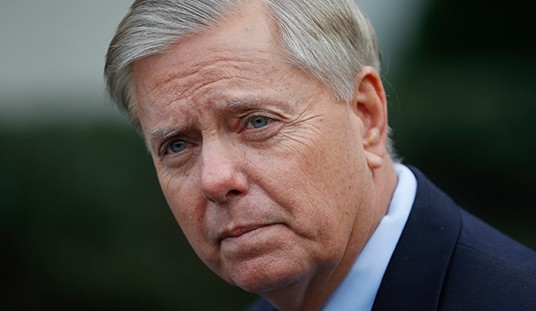
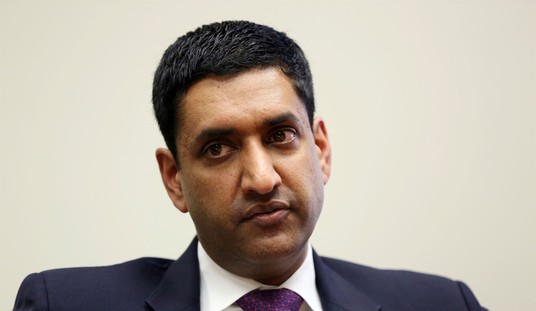
He knew exactly what people were saying about him. He knew the political winds weren’t blowing his direction. And yet he walked into the next hearing and calmly made the case again. Whether you agreed with him or not, you never had to wonder where he stood. That was my first impression of Lindsey Graham, and it turned out to be my lasting one.
Over the years, our paths crossed several more times. One afternoon, we happened to share an elevator in Washington. It wasn’t an earth-shattering conversation, and it lasted only a minute or two. But I’ve never forgotten it. He wasn’t looking over my shoulder for someone more important. He wasn’t checking his watch. He was fully engaged in the conversation we were having. That may not sound extraordinary, but in Washington it actually is.
Years later, I found myself sitting in a Manhattan living room with perhaps a dozen other people as Lindsey Graham explained why he wanted to be President of the United States. There were no television cameras, no applause lines, no campaign rally atmosphere. Just a room full of people listening to him explain his vision for America.
What struck me wasn’t that everyone agreed with him. They didn’t. What struck me was that he never changed his message to fit the audience. He believed America needed a stronger military. He believed weakness invited aggression. He believed our alliances mattered. He believed American leadership was indispensable. Those weren’t talking points he dusted off for one audience and shelved for another. They were convictions, and they remained his convictions whether he was speaking to 12 people in a living room or 12 million people on television.
I’ve met plenty of politicians over the years. Some become different people depending on who’s in the room. Lindsey Graham never struck me that way. The man I interviewed during the Clinton impeachment was the same man I rode the elevator with years later. He was the same man sitting in that Manhattan living room asking for support in a presidential campaign.
That consistency is rarer than we probably appreciate.
Long before most Americans knew his name, Lindsey Graham had already given 33 years of his life to military service. He served in the Air Force and Air National Guard, ultimately retiring as a full colonel after a career as a military lawyer. Service wasn’t something he discovered because it looked good in a campaign commercial. It shaped his life long before he ever entered politics.
Of course, that life wasn’t without controversy. He was ridiculed during the Clinton impeachment. During the 2016 presidential campaign, his personal cell phone number was publicly exposed, inviting harassment that became national news. He was criticized by the Left, criticized by the Right, and sometimes criticized by people who had applauded him only months before.
Here’s what I never saw.
I never saw him lose his cool.
I never saw him lose his optimism.
Those are small observations until you remember how many years he lived under a microscope. Washington has become a town where outrage is rewarded, and bitterness is almost expected. Lindsey Graham certainly knew how to fight, but every interaction I ever had with him left me with the impression that he genuinely enjoyed serving his country and genuinely believed America was worth defending.
That may explain why so many very different people trusted him. John McCain did. George W. Bush did. Donald Trump eventually did. John Fetterman found common ground with him. Benjamin Netanyahu regarded him as one of America’s most dependable friends. Those relationships weren’t built because Lindsey Graham always told people what they wanted to hear. They were built because people generally knew they were getting the same Lindsey Graham every time they sat down with him.
For all the headlines, committee hearings, Sunday morning television appearances, and political battles, those closest to him often pointed to something even more important than public service: his Christian faith. Politics was what he did. Faith was who he was. In the end, I suspect that’s the foundation that allowed him to absorb criticism without becoming consumed by it.
Every senator eventually casts a final vote. Every campaign ends. Every headline fades into yesterday’s newspaper. Character is what remains.
When I think back on Lindsey Graham, I won’t remember the speeches first. I’ll remember a determined congressman standing his ground during the Clinton impeachment when almost everyone said he should give up. I’ll remember a thoughtful conversation between floors in a Washington elevator. I’ll remember a presidential candidate sitting in a Manhattan living room making exactly the same case he made in public because he simply didn’t know how to be anyone else.
America has lost an influential senator, a decorated military officer, and one of the defining foreign policy voices of his generation.
I’ve lost someone I always respected, always enjoyed seeing, and always came away from a little wiser after spending time with him.
May Senator Lindsey Graham rest in peace.