

As Major League Baseball prepares to open its 2026 season later this month, the return of baseball also serves as a reminder of how heated the election law debate became just a few years ago.
In 2021, critics used the same “Jim Crow 2.0” label to describe Georgia’s election reform law, the Election Integrity Act of 2021. The controversy quickly spilled beyond politics. Major League Baseball ultimately decided to move the 2021 All-Star Game out of Atlanta after backlash surrounding the law.
Yet the elections that followed in Georgia told a different story. Voter turnout in the state reached record levels.
Today, Georgia maintains voter identification requirements for both in-person and absentee voting, and participation in the state’s elections remains high.
Now a similar debate is unfolding in Washington.

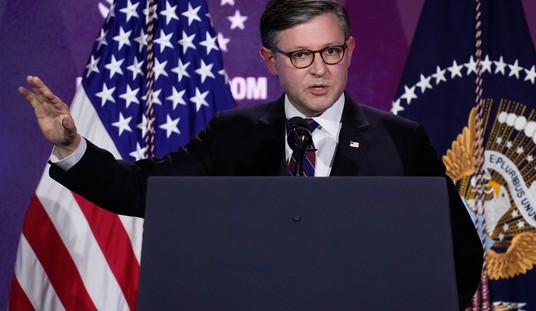
Jim Crow 2.0—this is the phrase critics, including Senate Minority Leader Chuck Schumer, are using to describe voter identification legislation aimed at strengthening how the United States ensures that only eligible American citizens can vote in federal elections.
President Donald Trump has repeatedly called on Congress to pass the SAVE America Act, including remarks made over the weekend, urging lawmakers to prioritize this important piece of legislation.
Much of the national debate is focused on voter identification. Voter ID laws require individuals to present identification when casting a ballot; this policy helps ensure elections are conducted fairly and securely.
Public opinion polling suggests those requirements enjoy broad public support. Fully 83% of Americans back “requiring all voters to show government-issued photo identification.”
Even CNN’s Harry Enten acknowledged the overwhelming support last month, saying: “A photo ID to vote is not controversial in this country. It is not controversial by party and it is not controversial by race. The vast majority of Americans agree.”
While voter ID laws address identification at the ballot box, the SAVE America Act also focuses on an earlier step in the election process: voter registration. The legislation would require individuals registering to vote in federal elections to provide documentary proof of U.S. citizenship, such as a passport, birth certificate, or naturalization record.
Federal law already limits voting in federal elections to American citizens. The SAVE America Act requires election officials to verify citizenship during the voter registration process so voter rolls reflect that existing legal requirement under federal law.
Opponents argue the proposal could create administrative hurdles for some voters. Critics say the legislation’s requirement for documentary proof of citizenship during voter registration could present challenges for individuals who do not have ready access to documents such as a U.S. passport or certified birth certificate, which are among the records used to establish citizenship under the bill.
Some critics also raised concerns that documentation requirements could pose complications for voters whose current legal name does not match earlier records, such as married individuals whose birth certificates list a different surname.
Historically, Jim Crow laws relied on tools such as literacy tests, poll taxes, segregation laws, and intimidation campaigns to prevent African Americans from voting across much of the American South. These policies were designed to block eligible citizens from participating in elections and suppress political participation for decades.
The debate surrounding the SAVE America Act centers on something very different: administrative verification within modern election systems. Supporters of stronger verification standards note that documentation requirements already exist in many areas of civic life.
Federal employment law requires workers to verify their identity and work eligibility through the I-9 employment verification process when starting a job. Workers must present documentation confirming identity and authorization to work in the United States.
Similarly, Americans must present federally approved identification to board domestic flights under the REAL ID Act, a policy designed to strengthen identity verification in air travel. Identification is also commonly required when opening bank accounts or conducting financial transactions, where institutions must verify a customer’s identity under federal banking regulations designed to prevent fraud and money laundering.
The phrase “Jim Crow 2.0” may generate headlines, but it also highlights how polarized the conversation around election administration has become. Beneath the rhetoric lies a practical question: how should the United States verify eligibility to vote while maintaining public confidence in its elections?
As Congress debates the SAVE America Act, the goal should be clear: strengthen confidence in the integrity of our elections. Verifying citizenship during voter registration helps ensure that only eligible American citizens participate in federal elections. It is a reasonable standard and one Congress should move to pass.