

Rapper Nicki Minaj took to X on Sunday to show her support for voter ID laws, questioning why our country continues to debate whether citizens should present an ID to vote. Her post struck a chord with me because it underscores a common-sense principle for every voter: our democracy only works when citizens can trust our election process.
Our election system depends on clear rules and basic verification. Voter ID plays a straightforward role in that process by confirming the person casting a ballot is who they claim to be. You cannot board a plane, pick up a prescription, or open a bank account without proving who you are. These are some of the most serious responsibilities and transactions in everyday life. Voting, the most consequential civic act in our republic, should not be the one place where verification suddenly becomes controversial.
Applying those same expectations to voting reflects a consistent approach to safeguarding our process. When eligibility is verified, it reduces errors, prevents administrative mistakes, and helps ensure that votes are protected.
Making sure that voter rolls are accurate is a primary responsibility in election administration. When identification and eligibility are properly verified during registration, election officials are adequately equipped to keep voter rolls up to date and reliable. Defined standards lower confusion, minimize disputes, and ensure ballots are issued appropriately. When verification is done correctly, voters trust the results, and elections operate better.
Regardless of these basic principles, we still lack a consistent national standard for verifying voter eligibility for federal elections. Requirements differ widely, which leaves voters uncertain of what is expected and creates unnecessary headaches for election administration. Setting clear expectations for eligibility verification helps make sure elections are orderly and results are accepted.

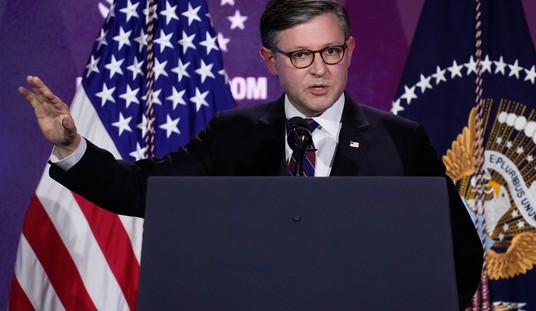
This is why passing the SAVE Act in Congress is vital.
The SAVE Act is a common-sense way of requiring physical proof of U.S. citizenship when registering to vote in federal elections. By verifying eligibility, this legislation keeps voter rolls accurate and strengthens election integrity.
The SAVE Act does not change who can vote or add new barriers for eligible citizens. It ensures that eligibility is verified before registration is accepted. That early safeguard helps election officials administer elections more efficiently and gives voters ease that the system is fair.
Critics also raise concerns that stricter requirements could make registration more difficult for some Americans. But the alternative is asking voters to have blind faith in a system without uniform verification standards, which is a harder sell when states like Texas have publicly reported thousands of potential non-citizens flagged on voter rolls for further review and verification.
Transparency does not mean voter suppression. Verification is not discrimination. And asking states to maintain accurate voter rolls is by no means an attack on democracy. That is how we keep our democracy protected. As Attorney General Pam Bondi recently observed in a Department of Justice action against states that refused to turn over their voter registration lists, “accurate voter rolls are the cornerstone of fair and free elections,” and states that fail to produce them undermine the transparency and accountability federal law intends to guarantee.
Nicki Minaj’s comments on voter ID resonate because they speak truth. Voting is a fundamental right, and it deserves the same level of care applied to other rights that are tied to citizenship. Requiring voter ID and proof of eligibility is responsible governance.
Passing the SAVE Act is a strong step forward to restoring confidence in our elections. It clarifies expectations, supports election administration, and helps ensure elections are only decided by eligible American citizens.