





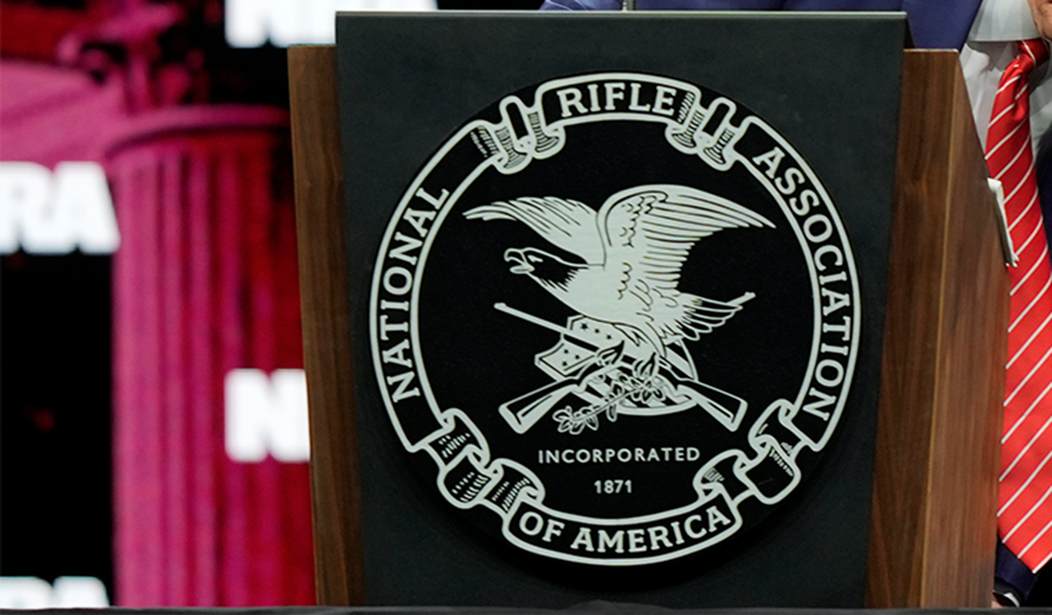
As 2025 ends, a season traditionally reserved for reflection, generosity, and year end giving, Americans have watched a familiar story unfold across the nonprofit world: leadership turmoil, internal governance disputes, and uncomfortable questions about transparency and accountability. These episodes spanning charities of all sizes and missions have captured public attention not because they are sensational, but because they strike at the heart of what makes nonprofit institutions different from every other sector.
Nonprofits should not operate on profit margins or political power. They should operate on trust.
Recent events underscore this sad reality. The Sierra Club, one of the nation’s most recognizable charities, was forced into leadership upheaval after prolonged internal conflict and governance breakdowns. In Minnesota, the Feeding Our Future case exposed how weak oversight and lax controls allowed a nonprofit to become the center of one of the largest public funds fraud schemes in recent history. And nationally, the Black Lives Matter Global Network Foundation has faced sustained scrutiny over financial transparency, governance practices, and donor stewardship.
These organizations differ vastly in mission and ideology, but they share a common lesson: when accountability fails, trust evaporates, and the entire nonprofit sector pays the price.
That trust is granted by donors who give with purpose, by volunteers who give their time, and by communities that believe a charitable organization will honor its mission faithfully. Nowhere is that trust more visible than in December, when millions of Americans choose where to direct their charitable dollars. When leadership falters, the damage extends far beyond a single boardroom. It erodes confidence in the entire charitable sector, and that loss of trust is difficult to restore.
At its core, nonprofit leadership is a stewardship role. Every dollar entrusted to a charity represents a donor’s belief that their gift will be used as intended, governed responsibly, and deployed in service of a clearly defined mission. That belief is sacred. It is also fragile, and it does not automatically renew with a year-end appeal or a fresh calendar.
Too often, accountability is treated as something that matters only when something goes wrong, when headlines turn negative, or leadership changes become unavoidable. But accountability is not a crisis management tool. It is a leadership discipline that must be practiced consistently, quietly, and long before problems arise.
Strong nonprofit leaders do not fear oversight. They welcome it. They understand that transparency, sound governance, and internal controls are not obstacles to mission success. They are the very mechanisms that make mission success possible. Organizations that resist accountability often justify it by citing urgency, complexity, or moral righteousness. But history shows that when accountability is sidelined, trust soon follows, sometimes long after fundraising totals have been tallied, and headlines have faded.
This matters because nonprofit institutions are uniquely vulnerable to mission drift and reputational harm. Unlike corporations, charities cannot simply pivot to a new market. Unlike governments, they cannot compel support. Their legitimacy rests entirely on credibility, and credibility is earned through conduct and consistency, not rhetoric, year after year.
What does responsible nonprofit governance look like in practice as boards and executives prepare to close one year and set priorities for the next?
First, it requires independence. Charitable organizations must maintain a clear separation between their educational or philanthropic purpose and outside political or ideological pressures. Independence protects donor intent and shields missions from being repurposed to serve short term agendas.
Second, it requires engaged and empowered boards. Nonprofit governance should not be ceremonial. Boards exist to provide oversight, enforce accountability, and ensure that leadership decisions align with mission and donor expectations. When boards abdicate that responsibility or allow themselves to be used as cover for bad leadership, even small governance failures can compound quietly over time.
Third, it requires transparency, not just in financial reporting, but in decision making processes, programmatic outcomes, and organizational priorities. Transparency builds confidence. A lack of transparency invites doubt, even in the absence of any real misconduct, and doubt once planted rarely disappears with a new fiscal year.
Finally, it requires unwavering respect for donors. Trust, once broken, cannot be repaired with explanations alone, particularly when leaders spend more time assigning blame than owning mistakes.
These principles are not new. They are foundational. Yet they feel newly urgent at a time when public confidence in institutions of all kinds is strained. Americans are rightly skeptical of organizations that ask for their support while resisting scrutiny. Nonprofits cannot afford to be lumped into that category, especially during the very season when they are asking donors to renew their faith.
Nonprofit leadership isn’t about profile or power. It’s about trust. That trust is built through disciplined governance, honest transparency, and leaders who know stewardship is the job. Protecting public trust isn’t optional. As 2025 comes to an end, it’s the obligation we owe to every donor who supported the work and is weighing whether to do so again in the new year.
Peter Churchbourne is the Executive Director of the NRA Foundation and a longtime advocate for hunters and conservation. Previously Director of the NRA Hunters’ Leadership Forum and a 17-year veteran of Ducks Unlimited, he has developed award-winning education resources and communications strategies to advance hunters’ rights nationwide.
Editor’s Note: President Trump and Republicans across the country are doing everything they can to protect our Second Amendment rights and right to self-defense.
Help us continue to report on their efforts and legislative successes. Join Townhall VIP and use promo code MERRY74 to get 74% off your membership.


Join the Conversation
VIP members get the ability to comment on articles.